Humans “love” shortcuts. Generally, we hate physics. In the last two weeks, 37 news articles (see below) told the same truths from different angles. Namely, the future arrives on the grids . . . in the courtrooms . . . in pension portfolios . . . and in our kitchens’ water-taps.
A Nature Journal paper trimmed carbon capture down to its honest size . . . and NOT the “hall pass” for polluters-as-usual. The Math? Less than 1,500 gigatonnes of safe storage when some scenarios were banking on 40,000. That’s not a rounding error. That’s a worldview adjustment. Hydrogen had its own reality check: growing . . . still small . . . and the projects that will matter are the ones with clean electrons and credible off-take.
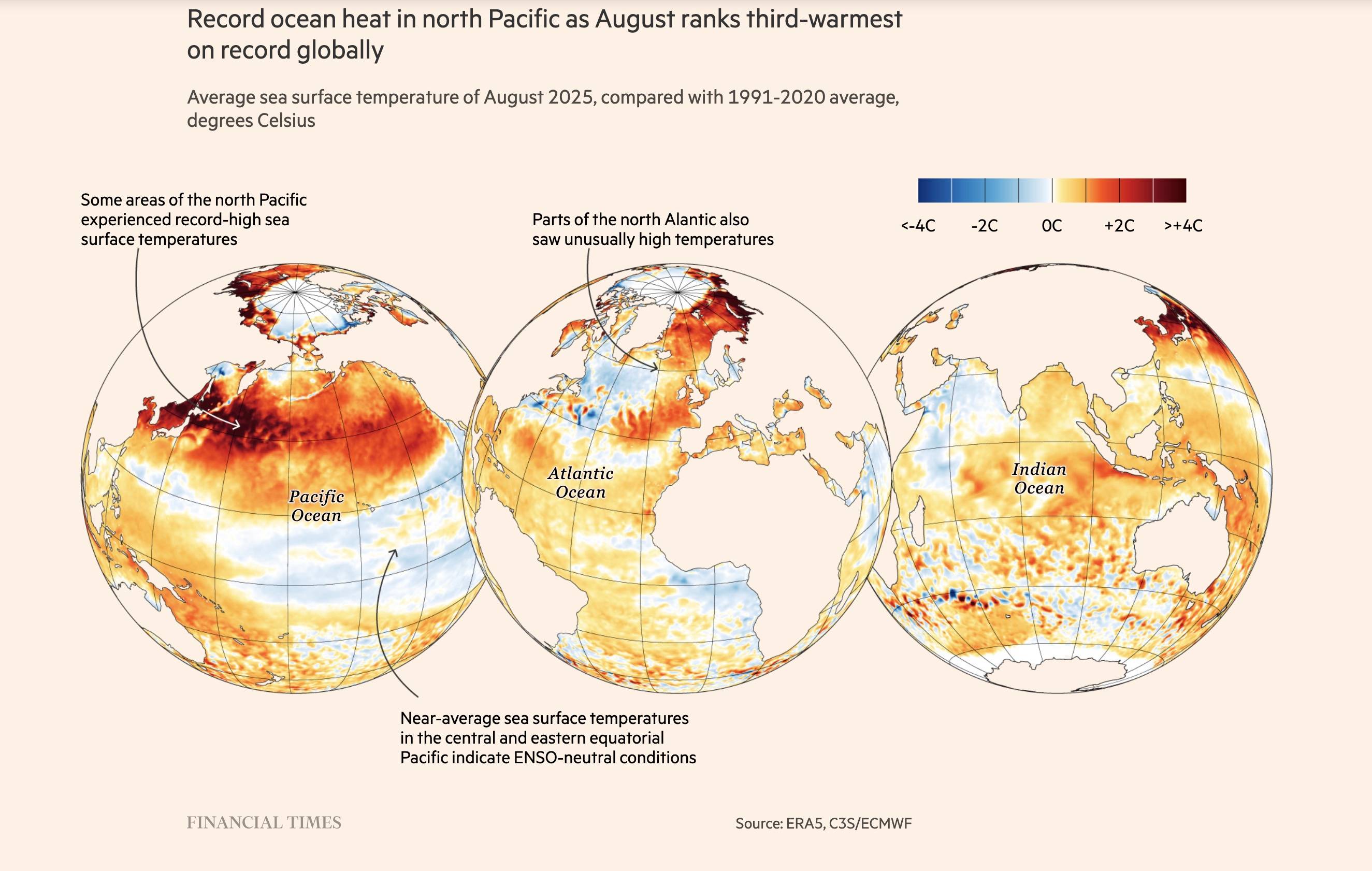
Meanwhile . . . The Planet kept the receipts: oceans in the North Atlantic and North Pacific broke August heat records; glaciers in the Pamirs crossed a tipping point in 2018; Europe’s rural exodus set the table for mega-fires; and PFAS showed up in fish at levels you never want to read about while eating dinner. If your strategy ignores water, land and living systems? You don’t have a strategy; you have a forensic spreadsheet.
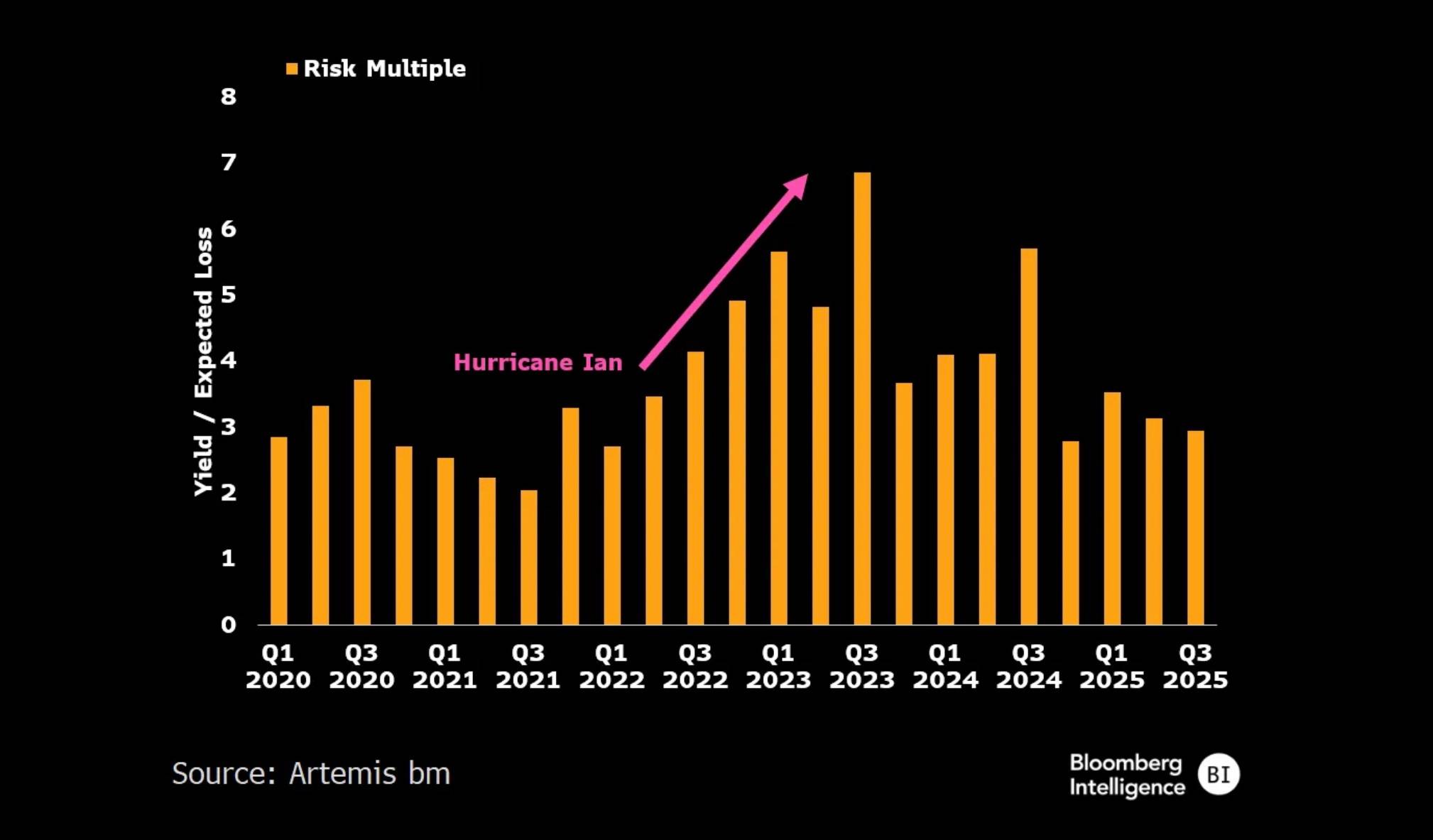
Finance did what finance does: it moved. Norway’s sovereign fund leaned into grids and storage. Australia’s pensions kept building the future. Dutch healthcare workers’ savings left BlackRock for managers willing to vote with a spine. Catastrophe bonds wandered into the UCITS spotlight . . . a reminder that liquidity isn’t a moral attribute. And on the other side of the ledger: the US federal government tried to turn off the lights in the emissions data room and disbanded climate-risk committees. If you can’t measure it, you can’t manage it. You can, however, get blindsided by it.
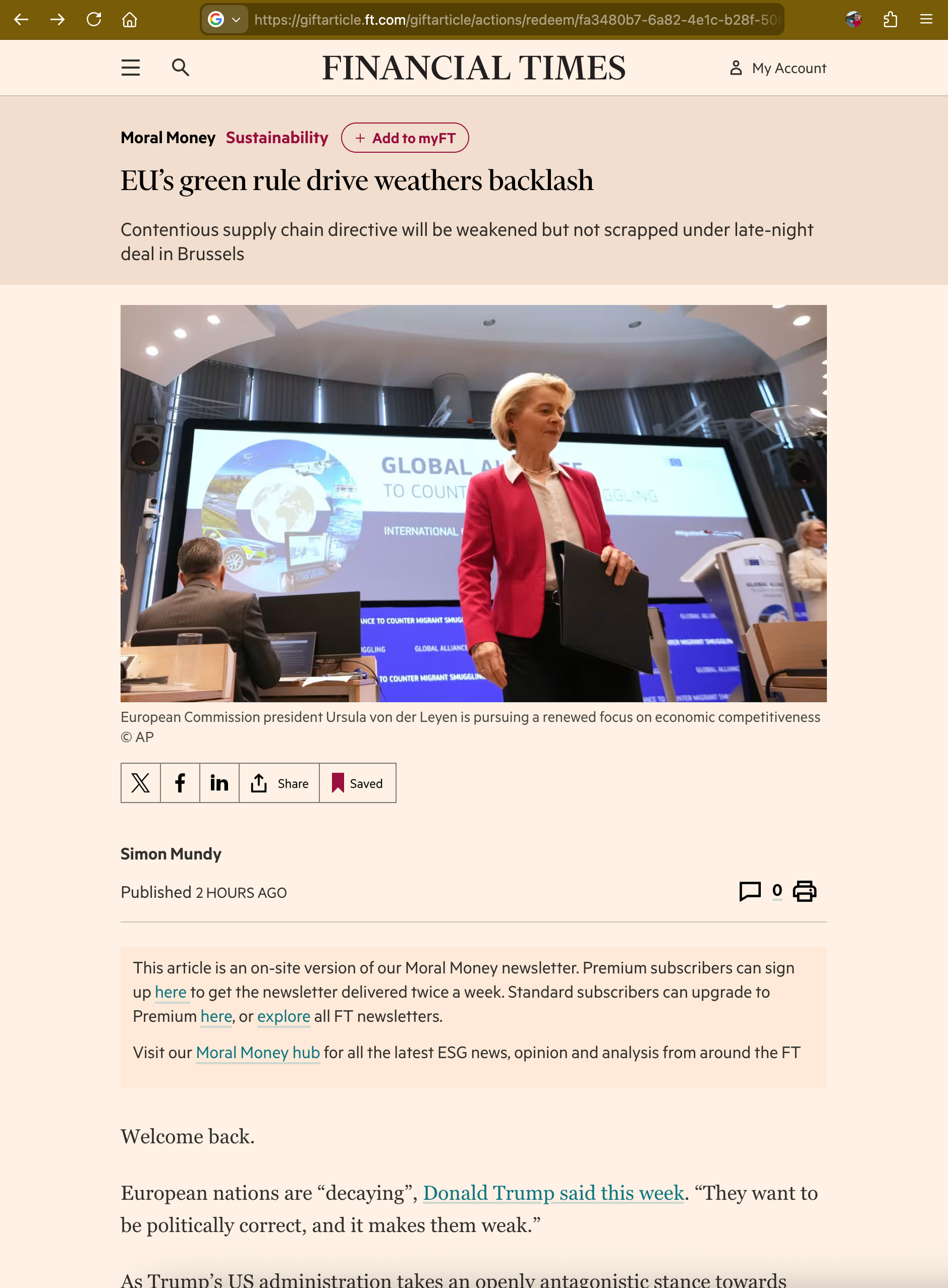
Politics was a tug-of-war. Germany again asked for extended free allowances even as it quietly hit its coal-reduction target early and considered credit guarantees for clean PPAs. The EU dithered on a 2040 target. The UK promised the world’s biggest battery and then promised every last drop of North Sea oil. A court green-lit natural gas and nuclear as “green” if they jump through tight hoops. The line between coherence and contradiction is thin . . . it’s also policy-writable.
And then there’s electrification; the boring miracle: a 1.4 GW battery in South Yorkshire + record solar + record wind + record storage + a Volvo long-haul truck that runs on electrons = not a vibe but a drivetrain. Each of these is a circuit breaker against blackouts and gas price shocks. Each kilo of copper in a cable is a vote for stability. Each transformer delivered on time is an insurance policy you can touch.
Here are the 5 pivots we NEED: clean electrification of demand + build grids as if they matter + site renewables like we love biodiversity + price risk where it lives + fund adaptation where it hurts. That means: permitting reform with ecological intelligence + batteries plus firm low-carbon where the grid says yes + CCS where thermodynamics says only if we must + hydrogen where electrons won’t go . . . and transparency everywhere.
Leaders will meet in Belém, Brazil for COP30 and talk about the twin crises: climate x nature. Let’s make it a triple alignment; physics, finance, and fairness. Physics sets the deadlines; finance scales the build; fairness keeps the coalition intact. Africa’s presidents shouldn’t have to beg for adaptation finance, and rural Europe shouldn’t burn. Households shouldn’t choose between food and electricity because levies forgot competitiveness. Youth should NOT inherit grids held together by back-orders.
The future is not a silver bullet. The future is well-aimed volleys of very specific tools: grids + storage + heat pumps + efficiency + offshore wind and solar + trains and bikes + green steel + smart demand + nature-positive siting . . . AND honest fit-for-purpose data. Choose the bundle + fund it + build it AND protect what cannot be rebuilt.
If you’re in government: clear the queue and guard biodiversity.
If you’re in finance: align mandates with outcomes and own your voting record.
If you’re in industry: electrify, contract long, and design for reuse.
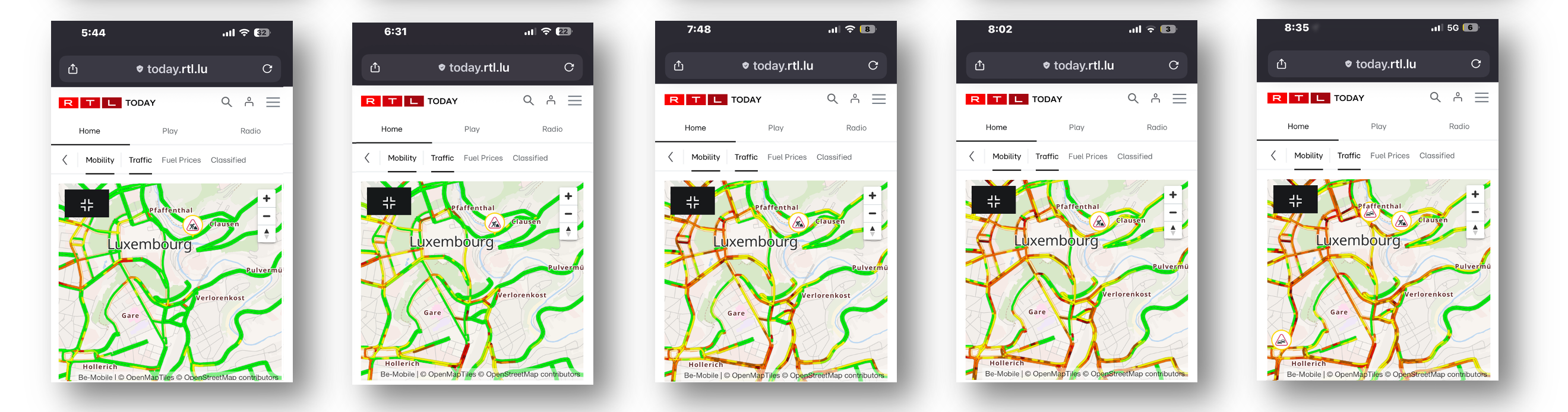
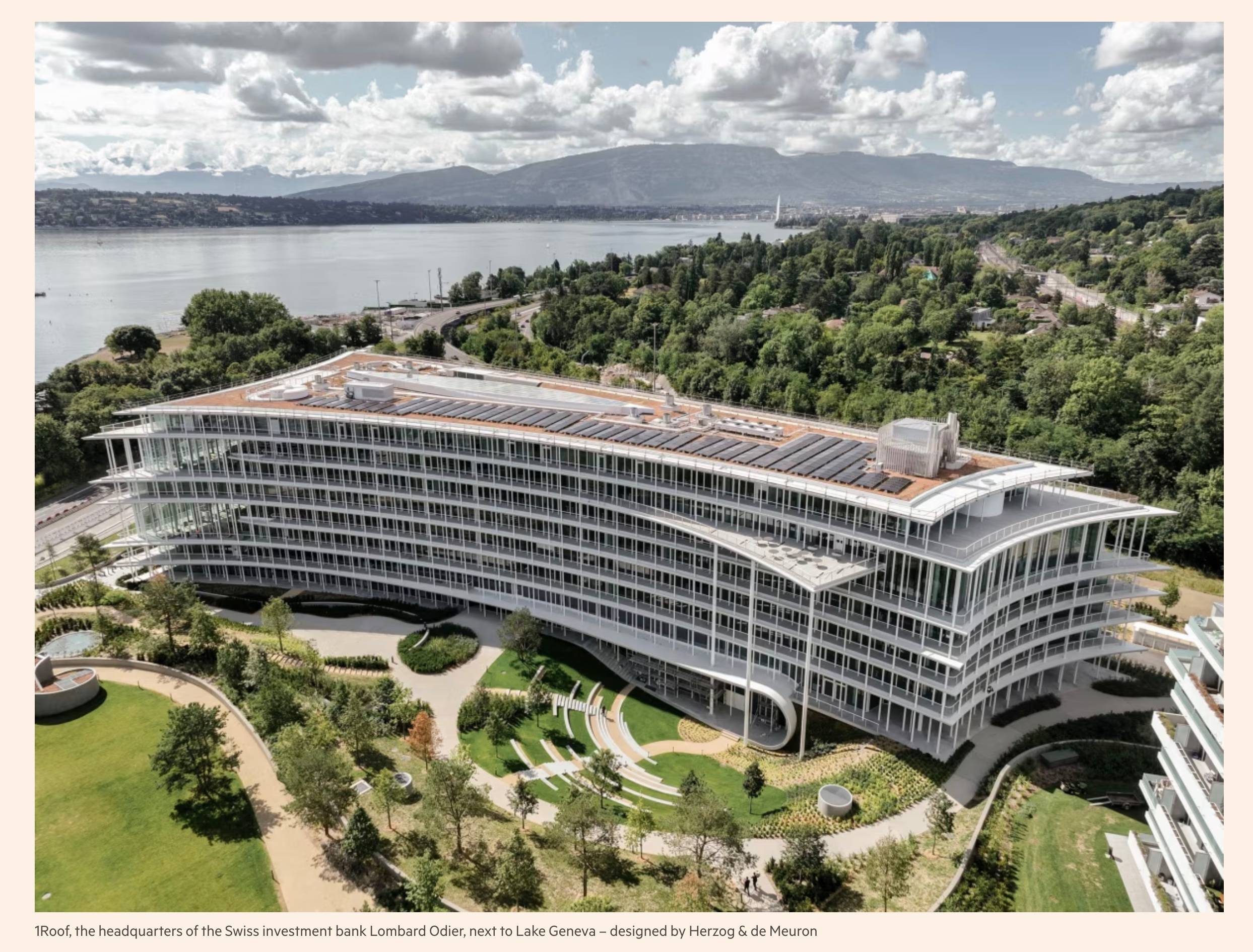
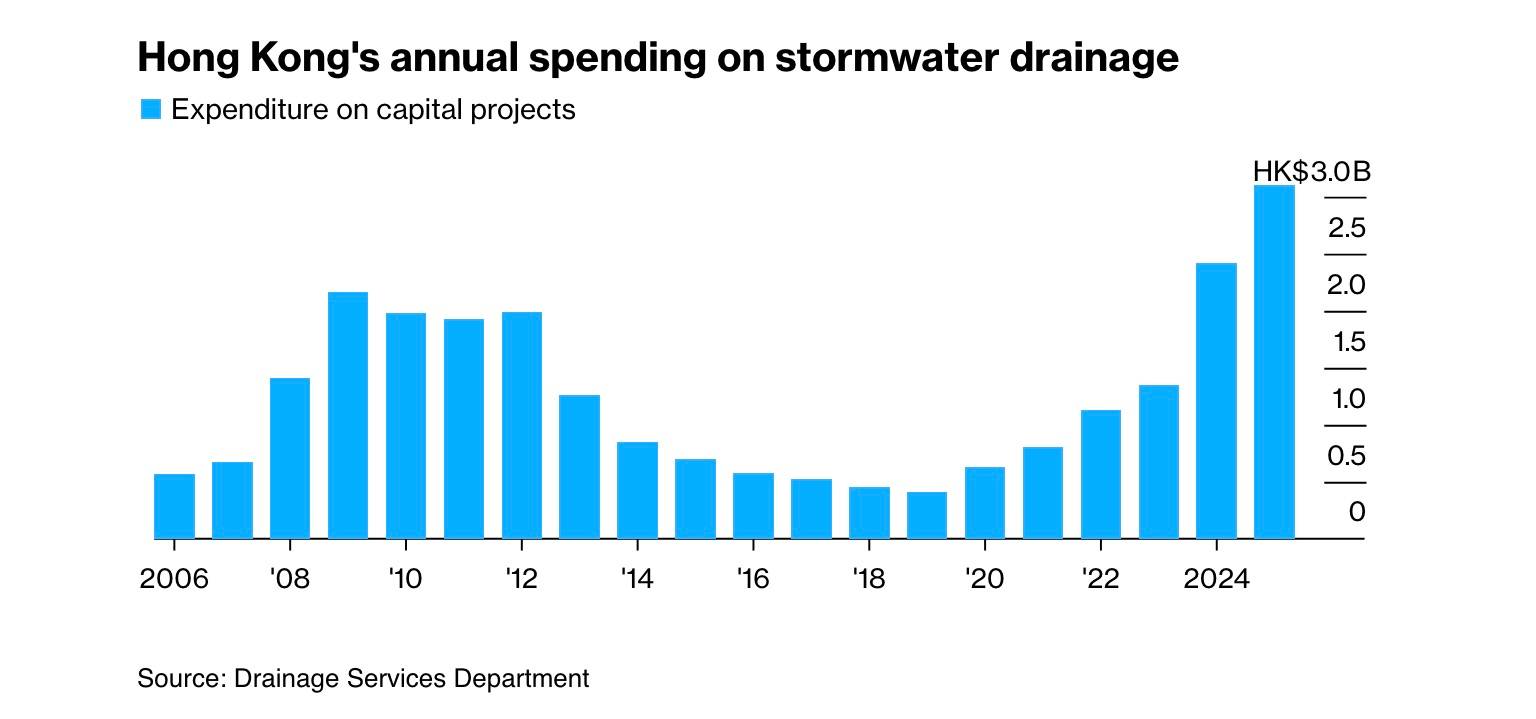
If you’re in a city: copy Hong Kong’s sensors and Geneva’s lake-thermal logic; then brag so others will copy you.
If you’re a citizen: join a project, AND vote like grids matter. Because they do.
No more silver bullets. Just a thousand precise actions that add up to a livable world. Let’s get to work.
Through the United Nations’ SDG Lens . . . let’s contextualize the 17 Goals with 37 news articles:
- SDG 1 — No Poverty: Heat waves, floods and wildfires are pushing low-income communities to the edge—Spain and Portugal’s megafires, Pakistan’s deadly monsoon flooding, and record ocean heat all translate into lost income, displacement, and higher living costs. Adaptation finance is falling short in Africa, where leaders warn broken promises are costing lives and undermining basic resilience.
- SDG 2 — Zero Hunger: Extreme heat and fire turn cropland and pastures into risk zones; rural abandonment across southern Europe removed the grazing and firebreaks that once protected food landscapes. PFAS contamination in European fish threatens a key protein source, with concentrations far above proposed safety limits in multiple countries.
- SDG 3 — Good Health & Well-Being: “Forever chemicals” are linked to cancer and immune impacts, while intensifying heat waves have caused tens of thousands of premature deaths. Smoke from megafires and urban flood events (even when managed well) create acute respiratory and injury risks that health systems must plan for.
- SDG 4 — Quality Education: Universities and student campaigns helped mainstream the divestment vs engagement debate, reshaping investor behavior. Curricula and vocational training need to catch up with biodiversity-aware siting, electrification basics, and grid literacy so communities can consent to, benefit from, and help operate the transition.
- SDG 5 — Gender Equality: Climate shocks typically increase unpaid care and water burdens borne by women; under-funded adaptation worsens those pressures. Inclusive design of resilience projects—early warnings, evacuation planning, and local jobs—helps close these gaps.
- SDG 6 — Clean Water & Sanitation: PFOS/PFAS pollution is widespread in rivers and coastal waters, demanding stricter discharge permits and monitoring. Glacier retreat in Central Asia threatens downstream water security; meanwhile, Hong Kong’s drainage overhaul shows how cities can manage cloudbursts with sensors, pumps, and rapid-response teams.
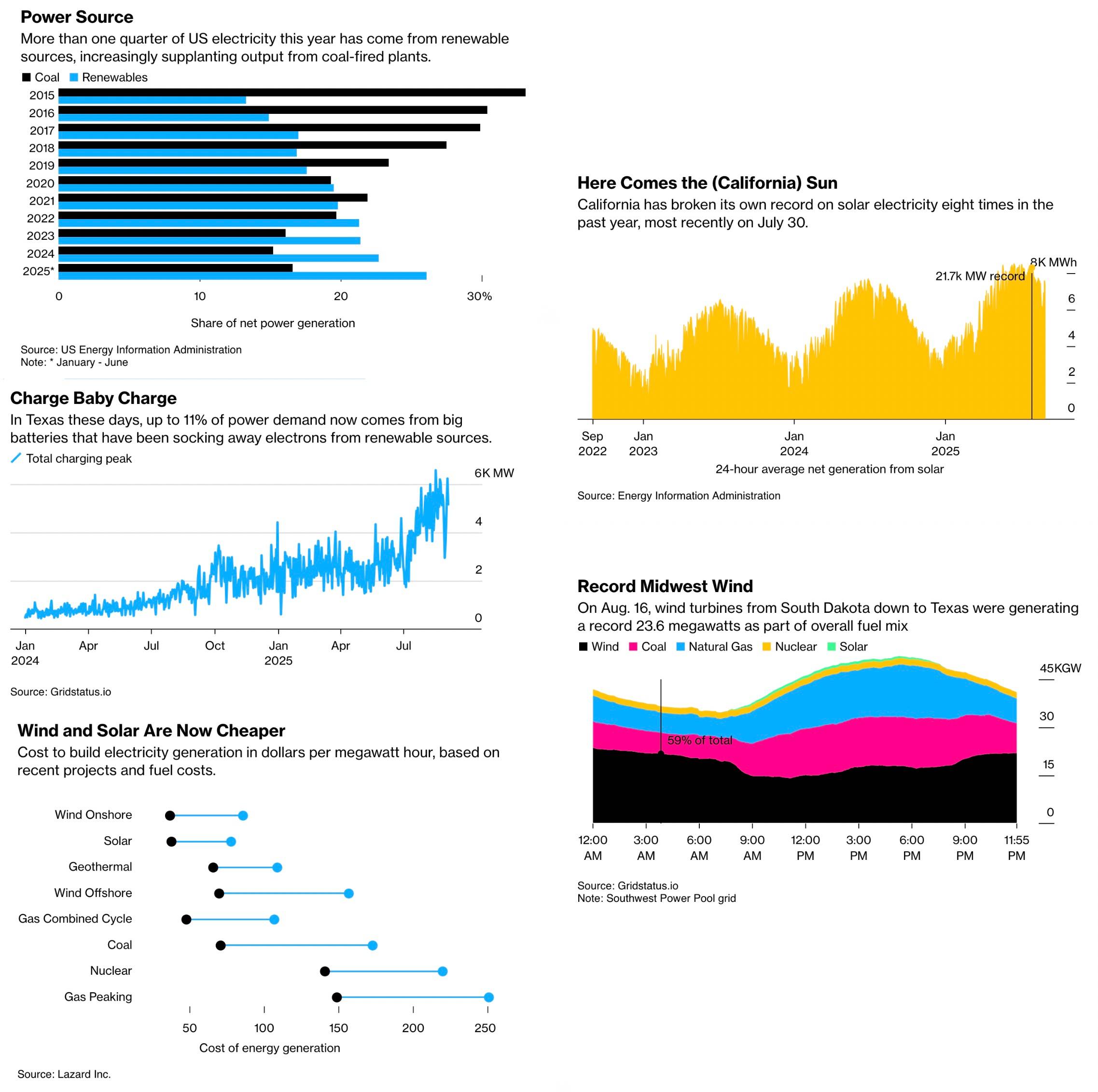
- SDG 7 — Affordable & Clean Energy: Despite federal headwinds, US grids hit new records for wind, solar and battery output; the UK green-lights a 1.4 GW battery to store rising wind and solar. Sovereign and pension capital is flowing into renewables and grids, while Europe’s taxonomy ruling keeps nuclear and some gas in play under strict conditions. Electrification is accelerating—from long-haul battery trucks to heat pumps—because using clean electrons beats converting molecules on efficiency and cost.
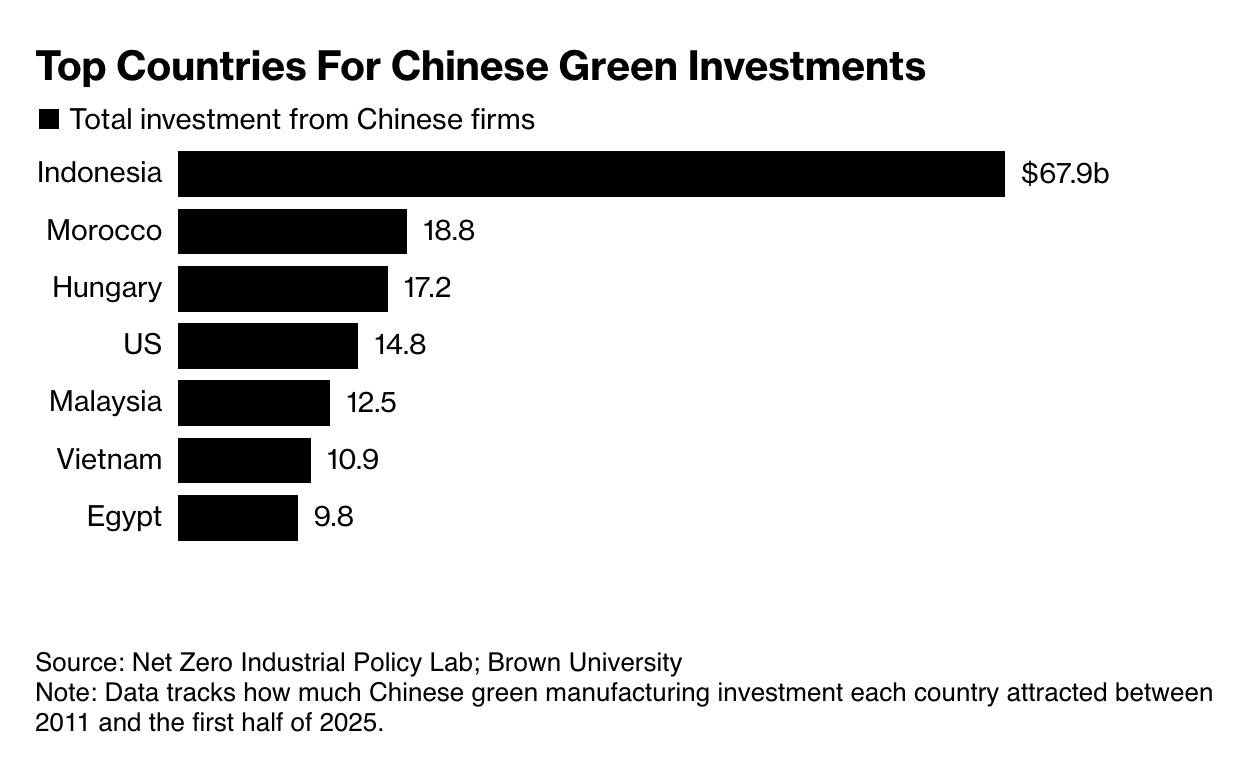
- SDG 8 — Decent Work & Economic Growth: China’s clean-tech firms are building factories abroad at unprecedented scale, creating jobs across batteries, solar and electrolyzers. European competitiveness reforms have lagged, but grid and storage build-outs, plus adaptation programs, are near-term job creators.
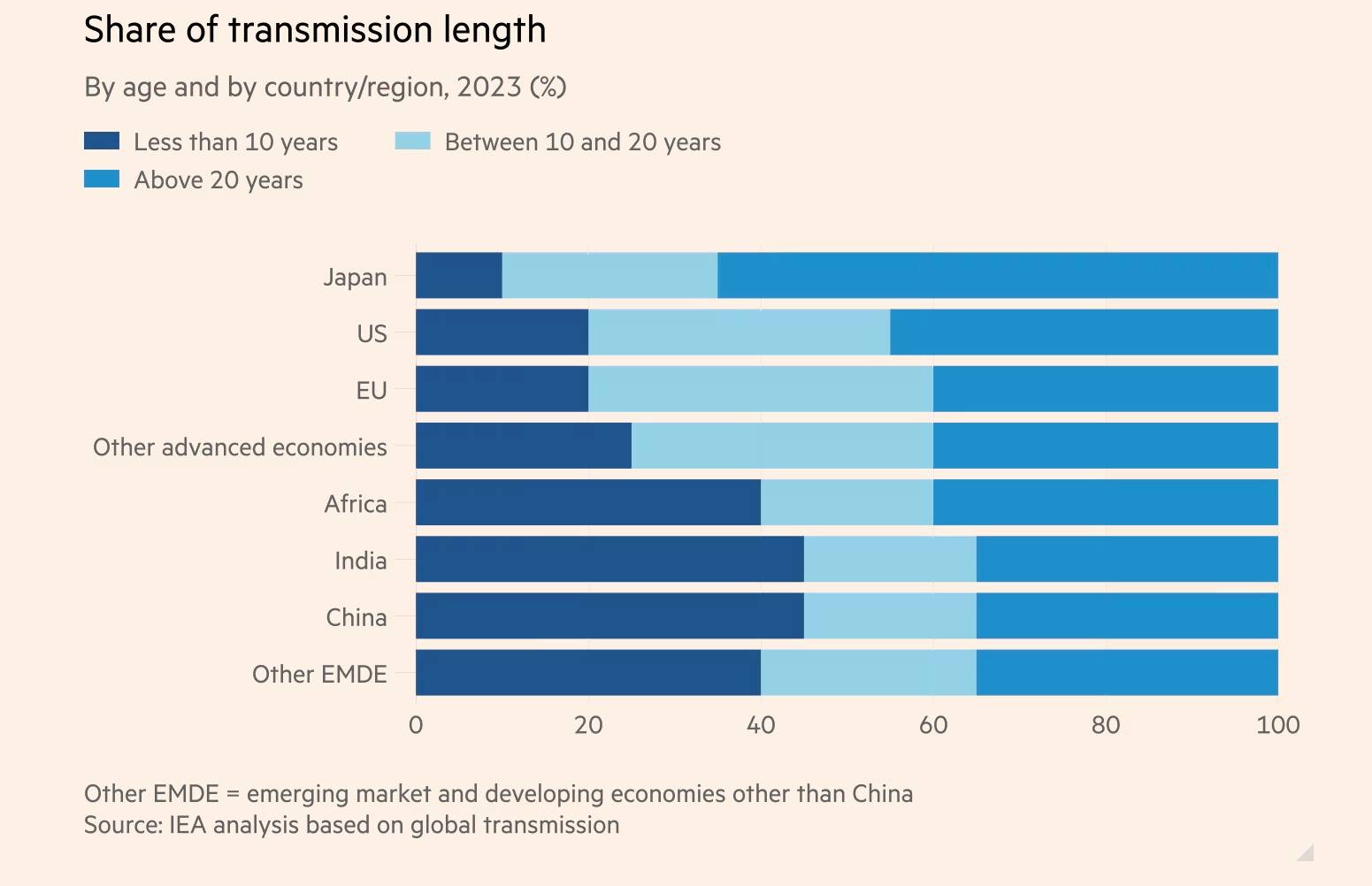
- SDG 9 — Industry, Innovation & Infrastructure: The IEA says transmission investment must more than double; today, transformers, turbines and HVDC cables face multi-year bottlenecks. District thermal networks (like Geneva’s lake-water system), utility-scale batteries, and electrified heavy transport are deployable innovations easing those constraints.
- SDG 10 — Reduced Inequalities: Missed adaptation finance widens North–South and urban–rural gaps, while regulatory rollbacks in rich countries remove protections that poorer households rely on. Proactive city programs—like Hong Kong’s—demonstrate how targeted public investment can lower disaster losses across income groups.
- SDG 11 — Sustainable Cities & Communities: Sensor networks, storage tanks and mobile pumps kept a record deluge from crippling Hong Kong—proof that urban design can tame extreme rain. Green roofs, rainwater harvesting, and nature-positive building orientation (as in Geneva) reduce heat stress and energy demand, while wildfire perimeters and revived grazing protect rural settlements.
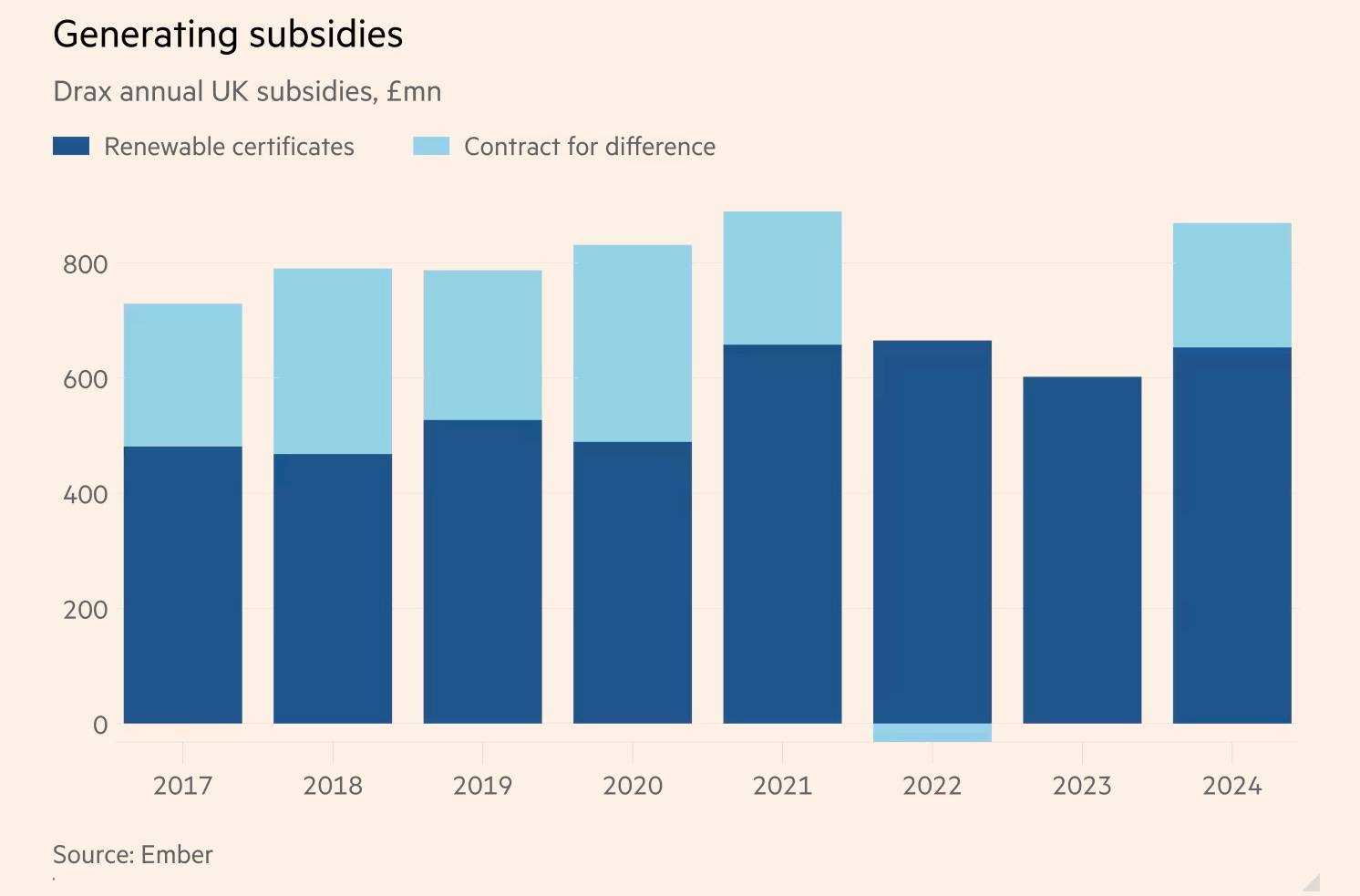
- SDG 12 — Responsible Consumption & Production: Scrutiny of biomass supply chains and industrial PFAS discharges underscores the need for traceable inputs and tighter permits. Ending national emissions reporting in the US undercuts corporate accountability; investors are responding with mandate shifts and tougher stewardship.
- SDG 13 — Climate Action: Peer-reviewed science now frames geological CO₂ storage as a scarce tool, not a catch-all; hydrogen is growing, but far from its hype curve. Political signals are mixed—EU climate-target delays and US oversight rollbacks versus surging real-world deployment of renewables, storage, and electrified demand. Event-attribution science ties major emitters to heat-wave intensity, sharpening legal and policy accountability.
- SDG 14 — Life Below Water: Marine heatwaves in the North Atlantic/North Pacific supercharge storms and flooding; PFAS contaminate aquatic food chains. Closed-loop lake-thermal systems show how to harvest cooling without warming water bodies.
- SDG 15 — Life on Land: Rural depopulation and fuel build-up have turned frequent, small fires into mega-fires; controlled burns, grazing, and vegetation management are essential. Biodiversity-aware siting for grids and renewables avoids turning climate fixes into nature harms.
- SDG 16 — Peace, Justice & Strong Institutions: Dismantling emissions reporting and climate-risk committees weakens market oversight just as insurance and mortgages face compounding climate stress. Courts and regulators still matter—the EU tribunal’s taxonomy ruling and supervisors’ guidance on complex instruments (like cat-bonds) shape capital flows.
- SDG 17 — Partnerships for the Goals: Big batteries get financed with public wealth funds and private offtake contracts; sovereign funds co-invest in grids; governments pilot PPA credit tools. Cross-border clean-tech supply chains are scaling fast; multilateral forums must pair climate finance with biodiversity safeguards to keep communities on board.
——————————————————————————-
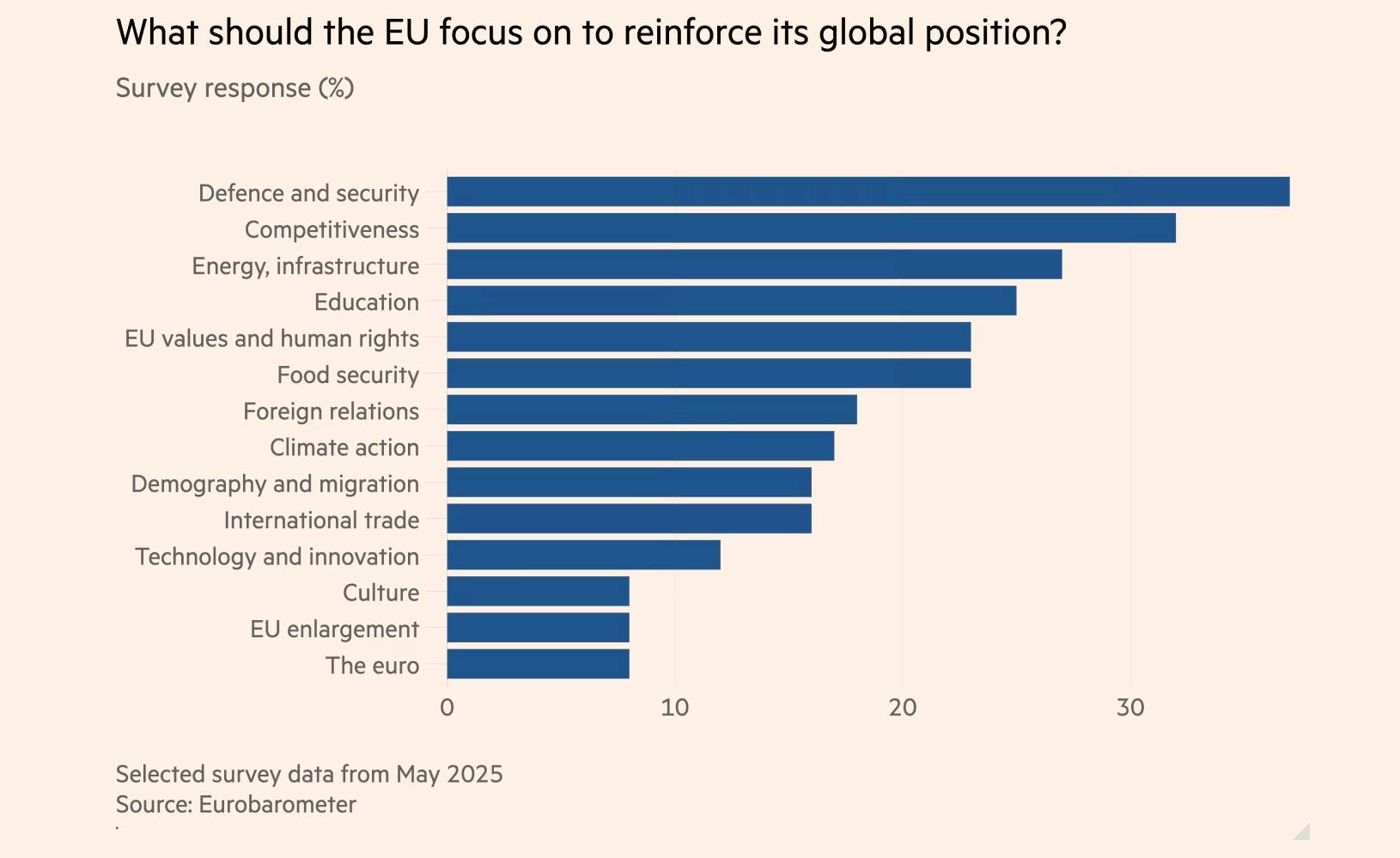
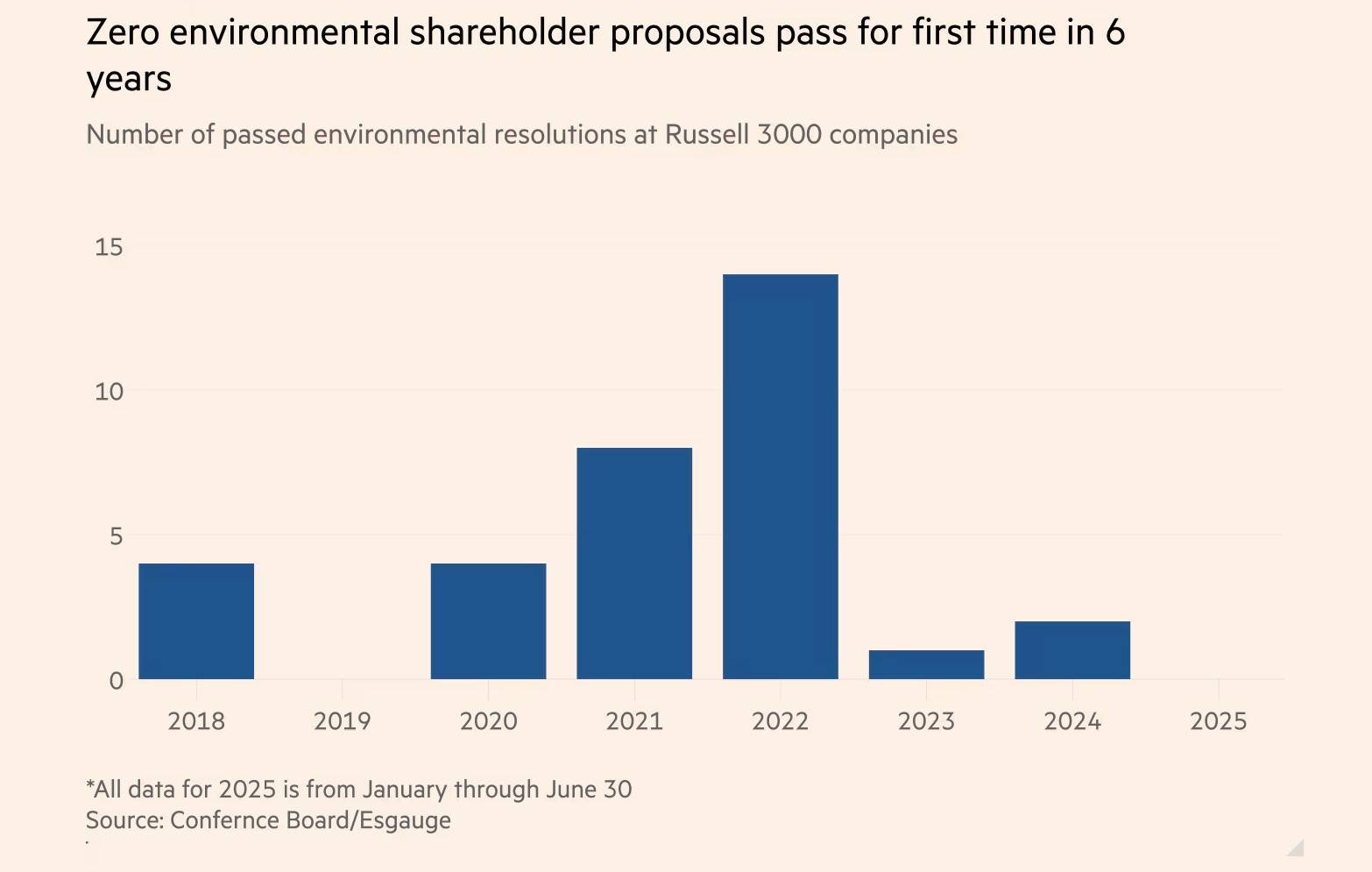
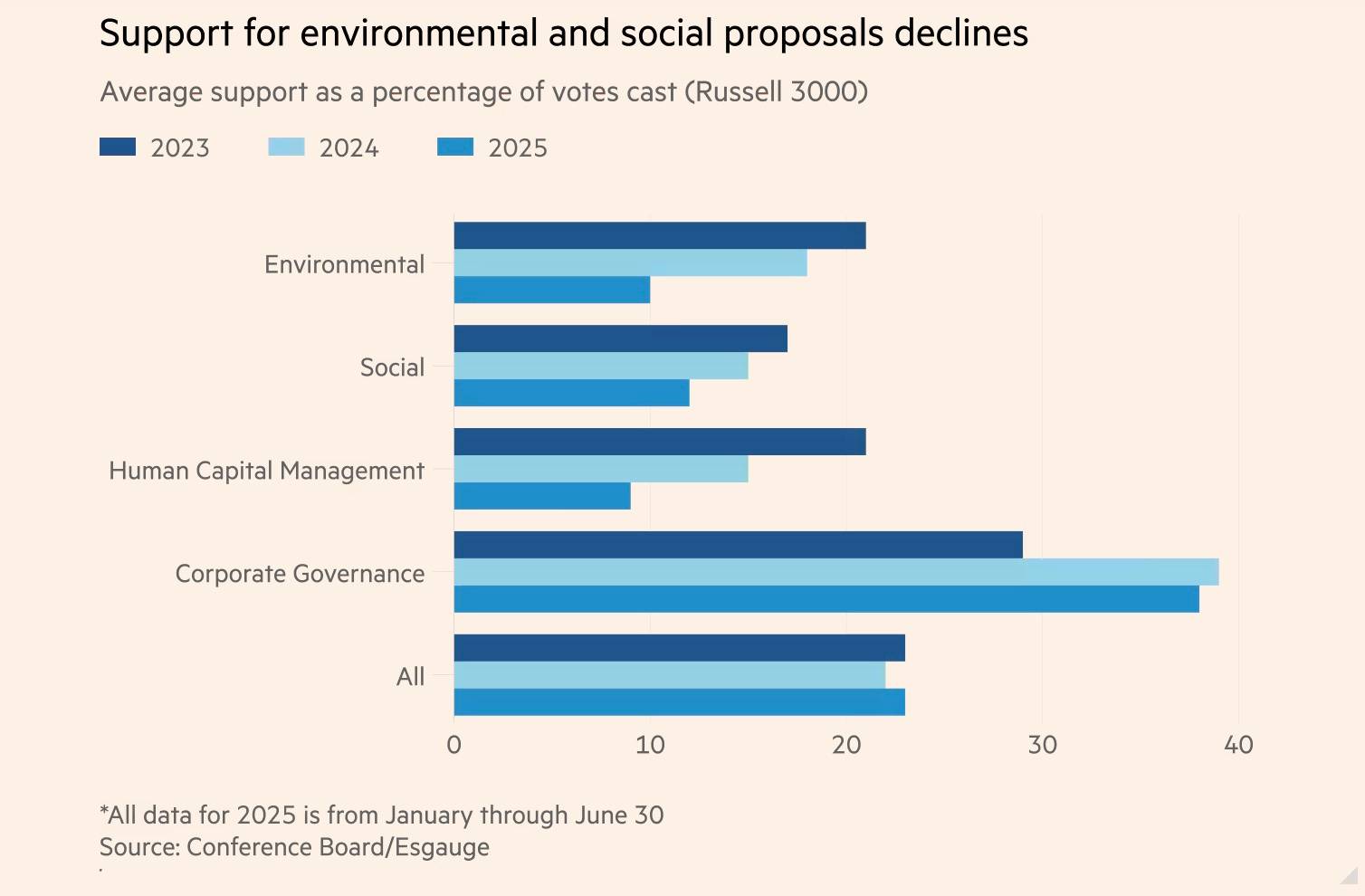
For Financial Times’ Climate Capital news articles = visit: https://www.ft.com/climate-capital and for Bloomberg Green news articles = visit https://www.bloomberg.com/green. A few conversation-starting charts and news-photos:

Have a question about the SDGs, Liveable Communities, the Circular Economy, Active Mobility, Permaculture and _ _ _ _ ? Contact Climate Action Tiger and Christian to discuss: christian@youth4planet.org and telephone: +352 621613164. If you would like to join Christian on Linkedin, please visit his Linkedin page and request to connect: https://www.linkedin.com/in/christian-thalacker-heldenstein-63041aa/