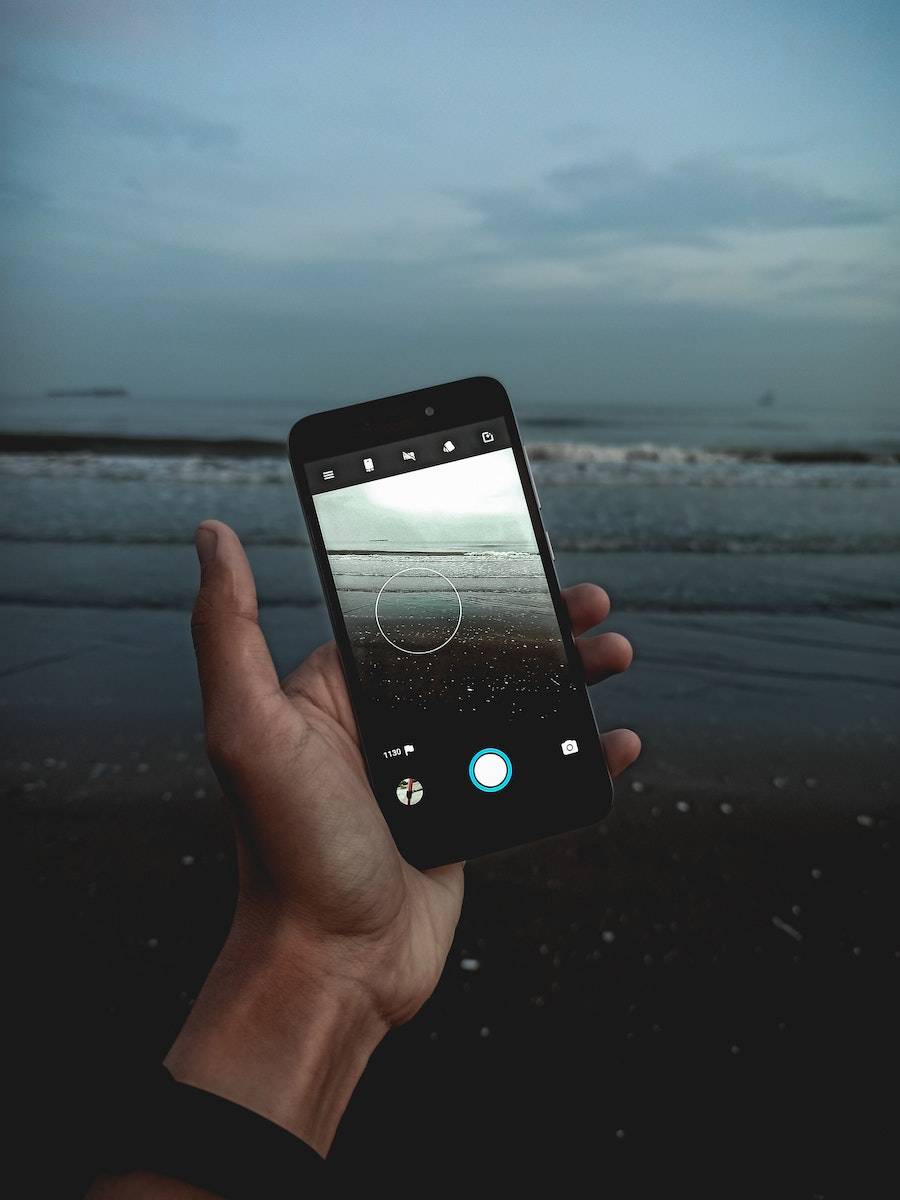
6:42 AM. 14.91 kilometers. 196 meters of ascent. 273 kcal burned. That is my morning data sheet so-far. The spreadsheet of my soul tells a different story . . . it tells the story of a 6 AM ritual:
I slid open my terrace-balcony door in Ville de Luxembourg, and simply listened. The city was still asleep, and the orchestra was warming up.
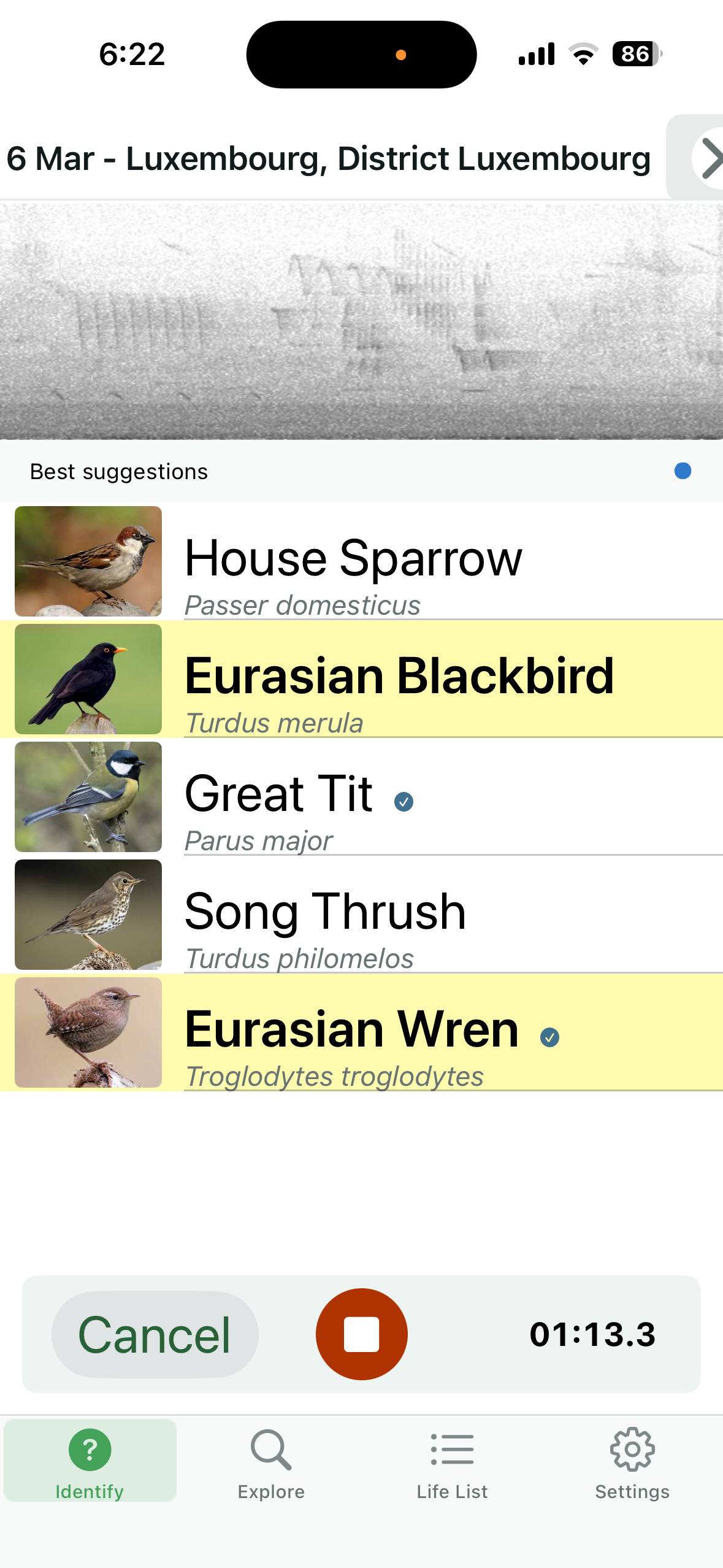
With the help of the Merlin Bird ID app from the Cornell Lab of Ornithology, I could begin to identify the voices rising out of the trees & rooftops:
the cheerful chatter of the House Sparrow . . . the lyrical phrases of the Eurasian Blackbird . . . the crisp calls of the Great Tit . . . the repeating patterns of the Song Thrush . . . and the astonishing burst of song from the tiny Eurasian Wren.
It was a masterclass in biodiversity floating in the dawn air. This is one of the quiet gifts of living in a European city like Ville de Luxembourg. Even in an urban environment, the dawn chorus still belongs to everyone who pauses long enough to hear it.
Then I time-traveled by bicycle: I pedaled toward a place that connects three generations of my family. The bakery in Limpertsberg where my grandmother used to take me as a child.
Today it is called Boulangerie Pâtisserie Pascal. The owners have changed over time. Three generations have managed the ovens and counters of that place. The soul of the bakery has not changed.
I arrived before opening.
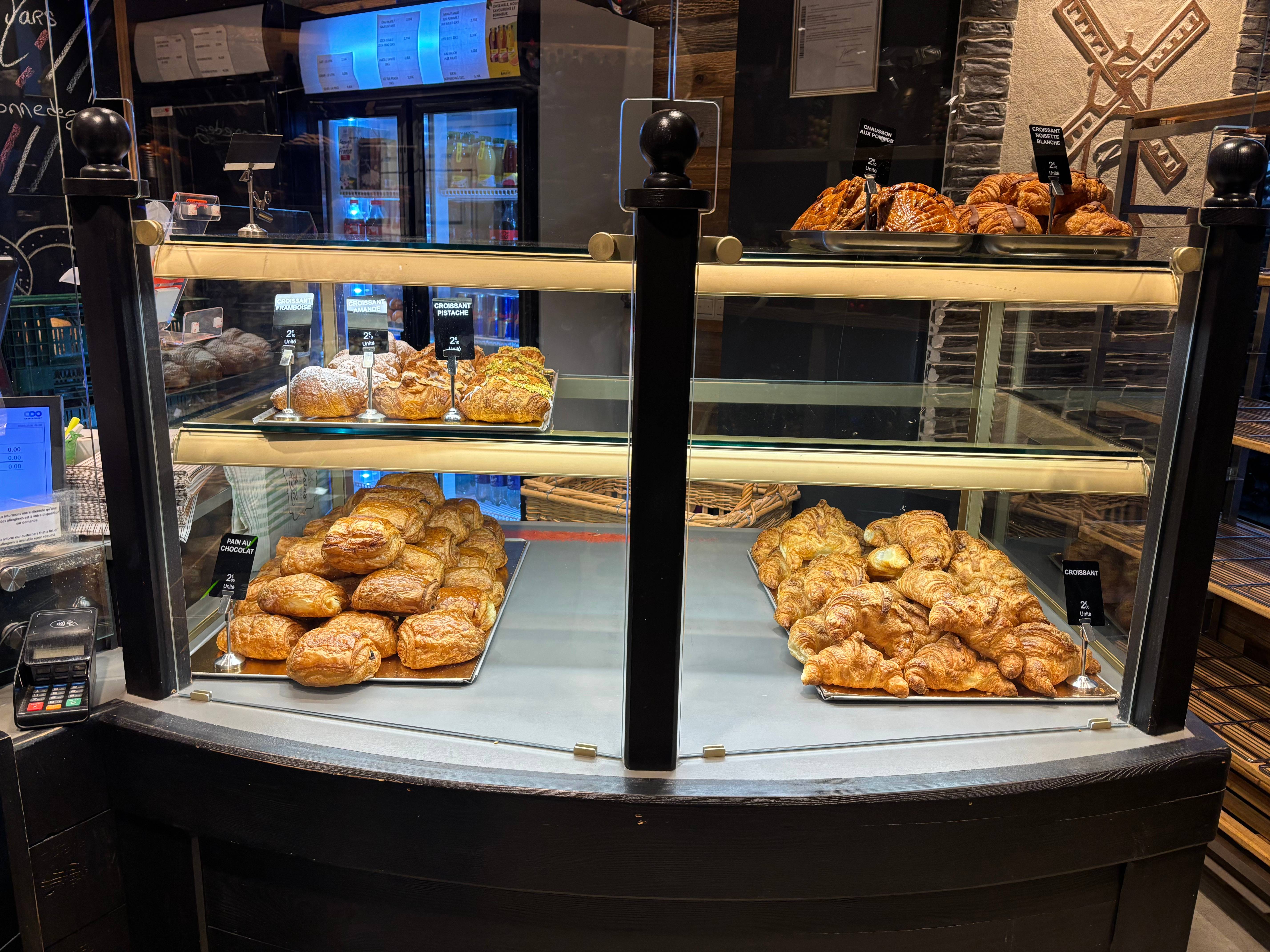
Second in line.
An old neighbor stood beside me. He shook my hand. We talked quietly while we waited for the baker to open the door.
We were waiting for bread, and also for something else.
Connection. Continuity. The quiet reassurance that some institutions in a neighborhood are strong enough to outlast fashion, speculation, and the churn of modern life. Inside the display case were the classics:
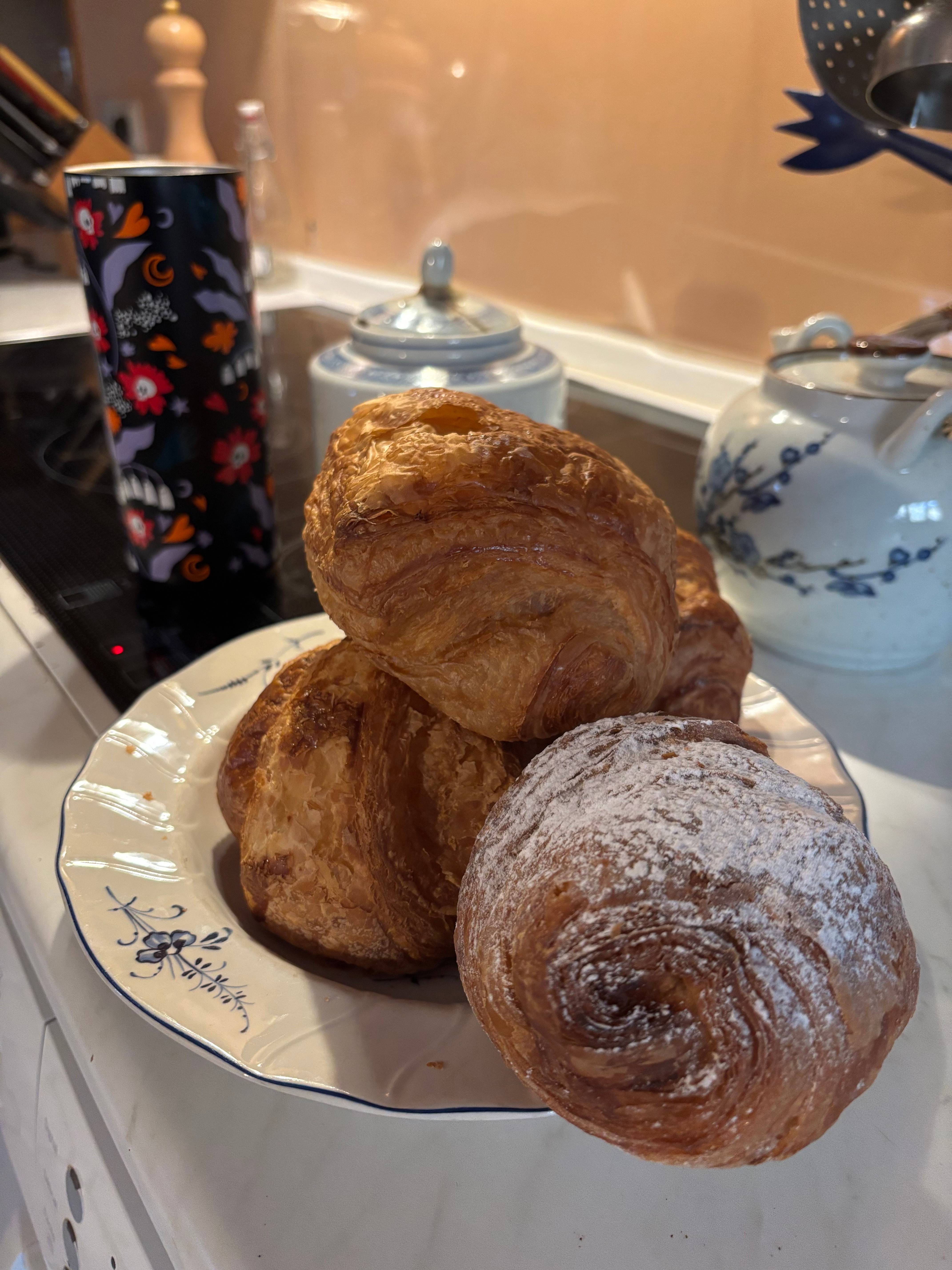
Croissants. Pain au chocolat. Variations with raspberry, pistachio, and chocolate.
I ordered four pastries.
One classic croissant.
One raspberry-filled croissant.
One pain au chocolat.
One pistachio-chocolate croissant.
€2.50 each.
A bargain for a time machine.
The cargo-box of my Riese & Müller GmbH Load75 e-bike was suddenly carrying something far more valuable than pastries: it was carrying a small piece of cultural continuity.
Then the ride began. Through Ville Haute. Down toward Pfaffenthal. Along the quiet morning streets before the full rush of traffic begins.
Cycling through a city early in the morning reveals a different landscape.
You hear the birds.
You see the light touch the old stone buildings.
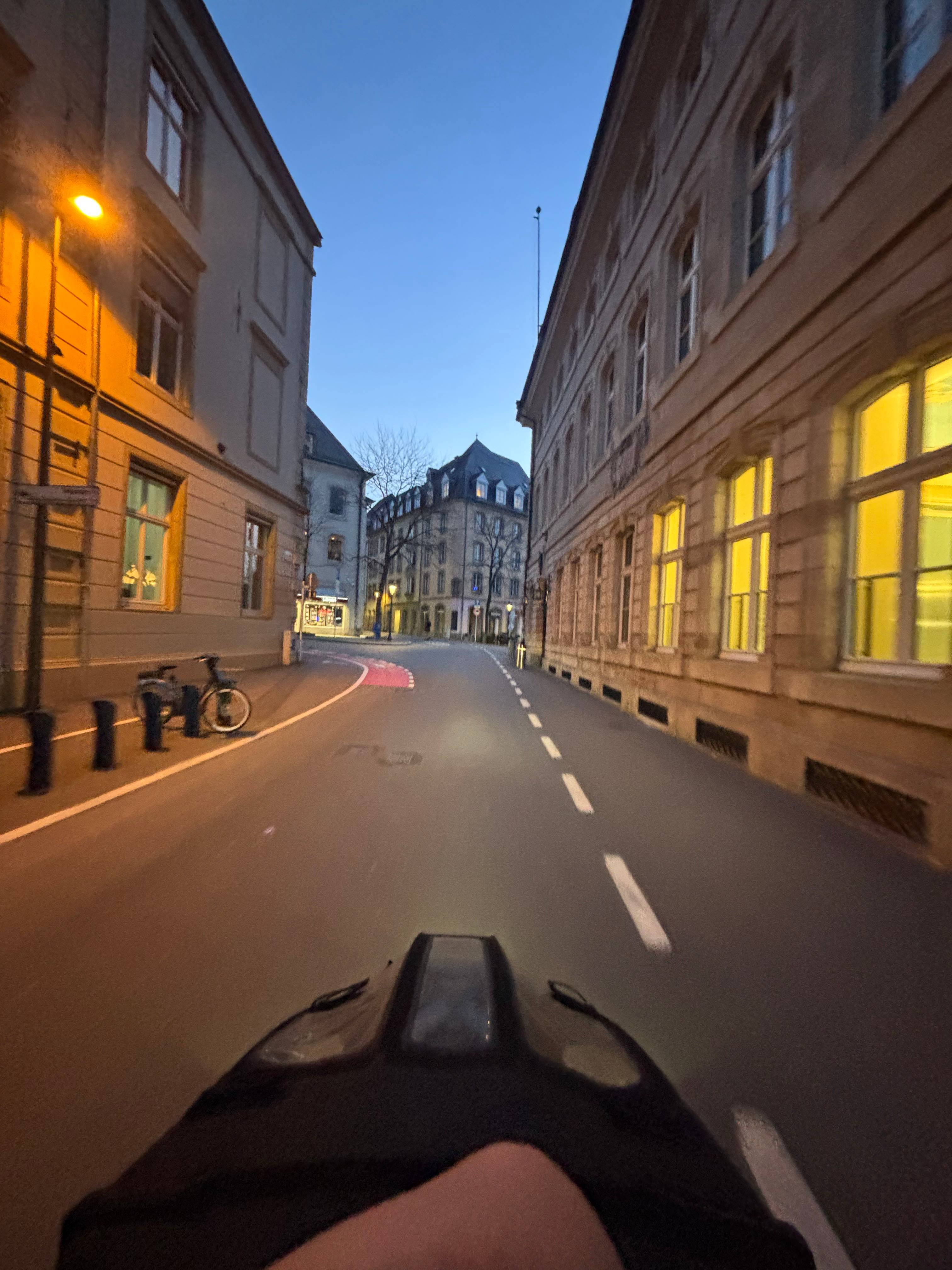
And sometimes you look up.
That is when I saw it.
A large bird gliding across the sky above the rooftops.
A Common Crane. Majestic. Unhurried. Moving along its migration route somewhere between continents.
I stopped.
I watched.
Not the man revving his Ferrari engine at the red light, eager to be seen, eager to be heard.
On a bicycle in Europe, bicyclists are instructed to move to the front of the queue at intersections. So I pedaled quietly past the line of cars and waited in the advanced stop-line . . . in front of the Ferrari.
The driver looked up, slightly bewildered. There I was, sitting on a cargo bike powered by croissants and tea, waiting calmly for the light to turn green.
When it did, I simply pedaled away.
No engine noise.
No drama.
Just movement.
And above us all, the crane continued flying, unbothered by our traffic signals and status symbols.
That moment stayed with me.
Because it revealed something profound about the transition we are living through.
What was the Ferrari driver hunting for: Speed? Attention? The thrill of aggressively pushing forward?
But I had already found what he was searching for:
Birdsong at dawn.
A handshake from a neighbor who remembers my grandmother.
A cargo bike carrying warm croissants through quiet streets.
A migrating crane crossing the morning sky.
This is what the transition feels like when you are inside it.
Not sacrifice.
Not austerity.
Just . . . recovering the things we forgot we had.
Local bakeries that outlast generations.
Biodiversity that sings you awake.
Streets where bicycles belong in front Neighbors who still greet each other before the workday begins.
And trees going into the ground with children watching.
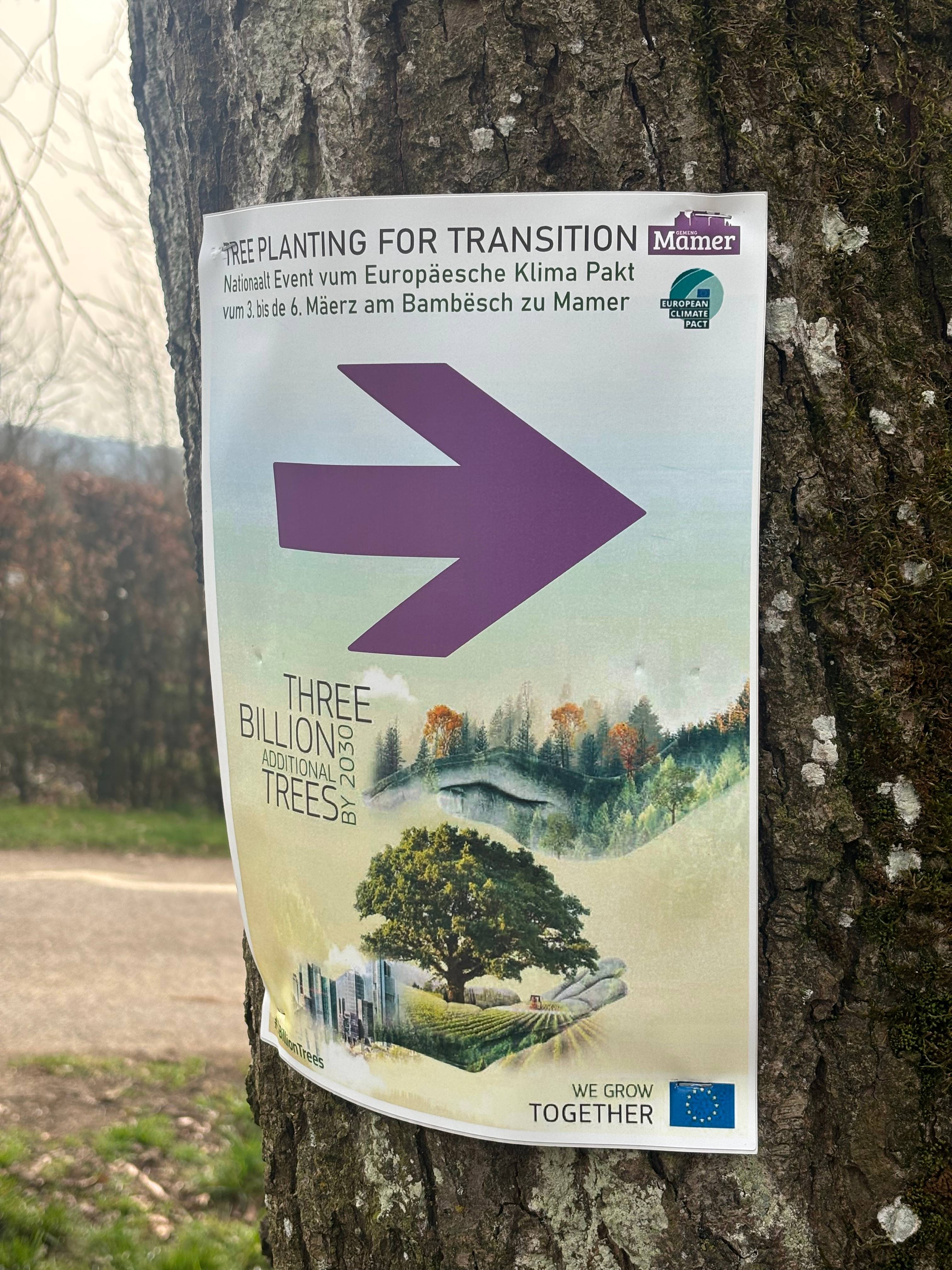
Later this morning I will travel to Bertrange to join fellow ambassadors of the European Climate Pact along with students, local leaders, members of the Lions Clubs International, and other NGOs.
We will plant trees together. Not for a photo opportunity. For the future. The real economy of the coming century will not be measured only in GDP or horsepower.
It will be measured in the resilience of ecosystems, the strength of communities, and the everyday rituals that make life worth living.
The fossil economy revs loudly for attention. The regenerative economy simply lives well . . . and keeps planting.
Soon I will put a shovel into the soil in Bertrange because that is what people do when they remember that the future is worth showing up for.
Which small ritual in your daily life makes you feel most connected to your community?
What changes when you experience your city at human speed instead of engine speed?
If Rob Hopkins & Mark Jacobson walked through our country tomorrow morning . . . what signs of hope would they notice?