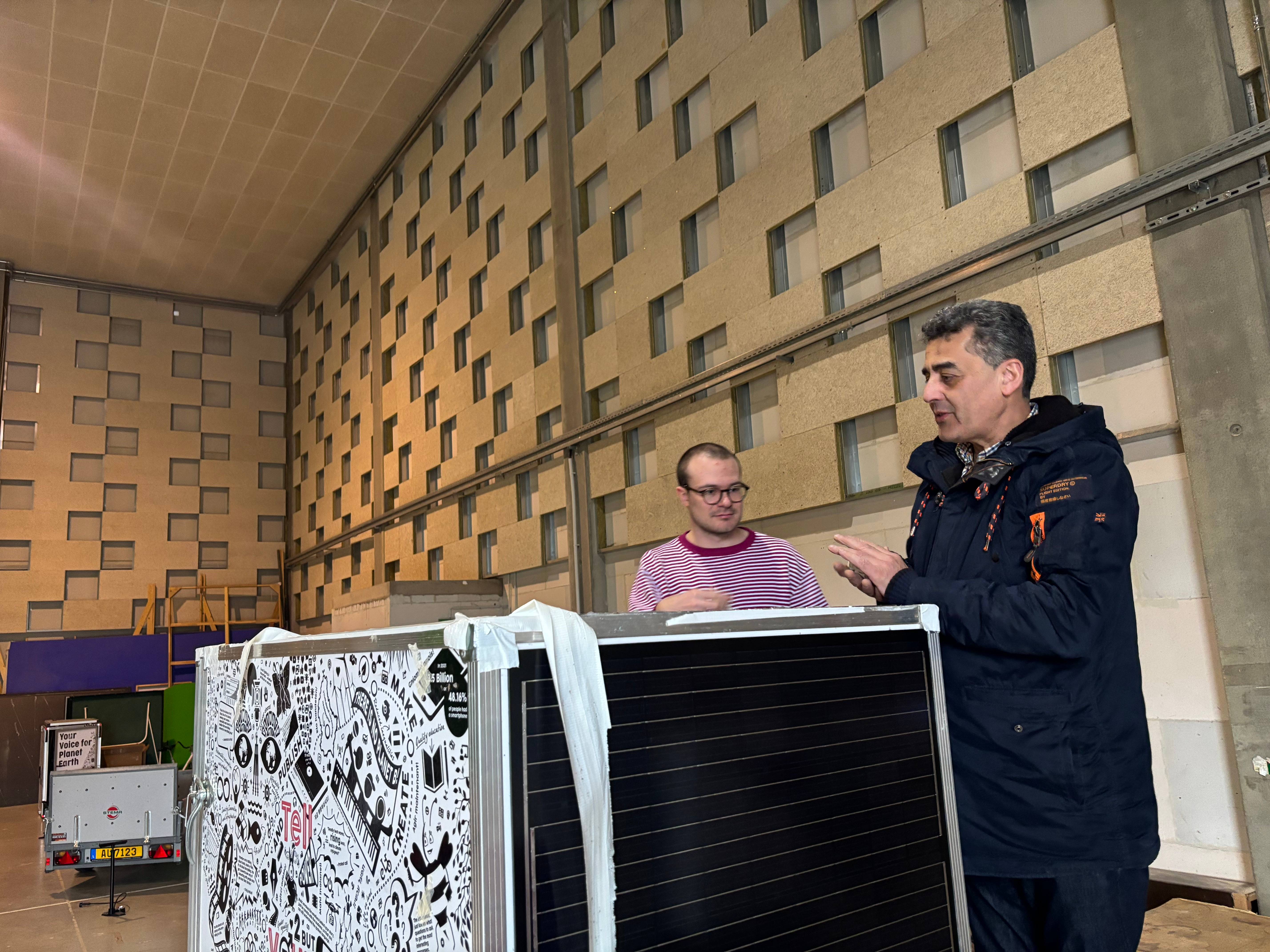
In conversations . . . do we more often than not . . . love celebrating what’s “new”? Think about: Solar panels, Electric vehicles, Smart grids, Breakthrough batteries? The next “big thing”. Why does “innovation” so easily seduce us? Perhaps because it promises transformation, disruption, and a clean break from the past.
There is a quieter discipline that determines whether any of it actually survives long enough to matter: maintenance.
This truth hits differently depending on where you stand. In places where the clean energy transition is well underway, maintenance is about optimization: keeping good systems running. In places where fossil-fuel interests fight against every Active Mobility lane, block every solar farm, and stall every renewable energy policy . . . maintenance takes on a different meaning entirely.
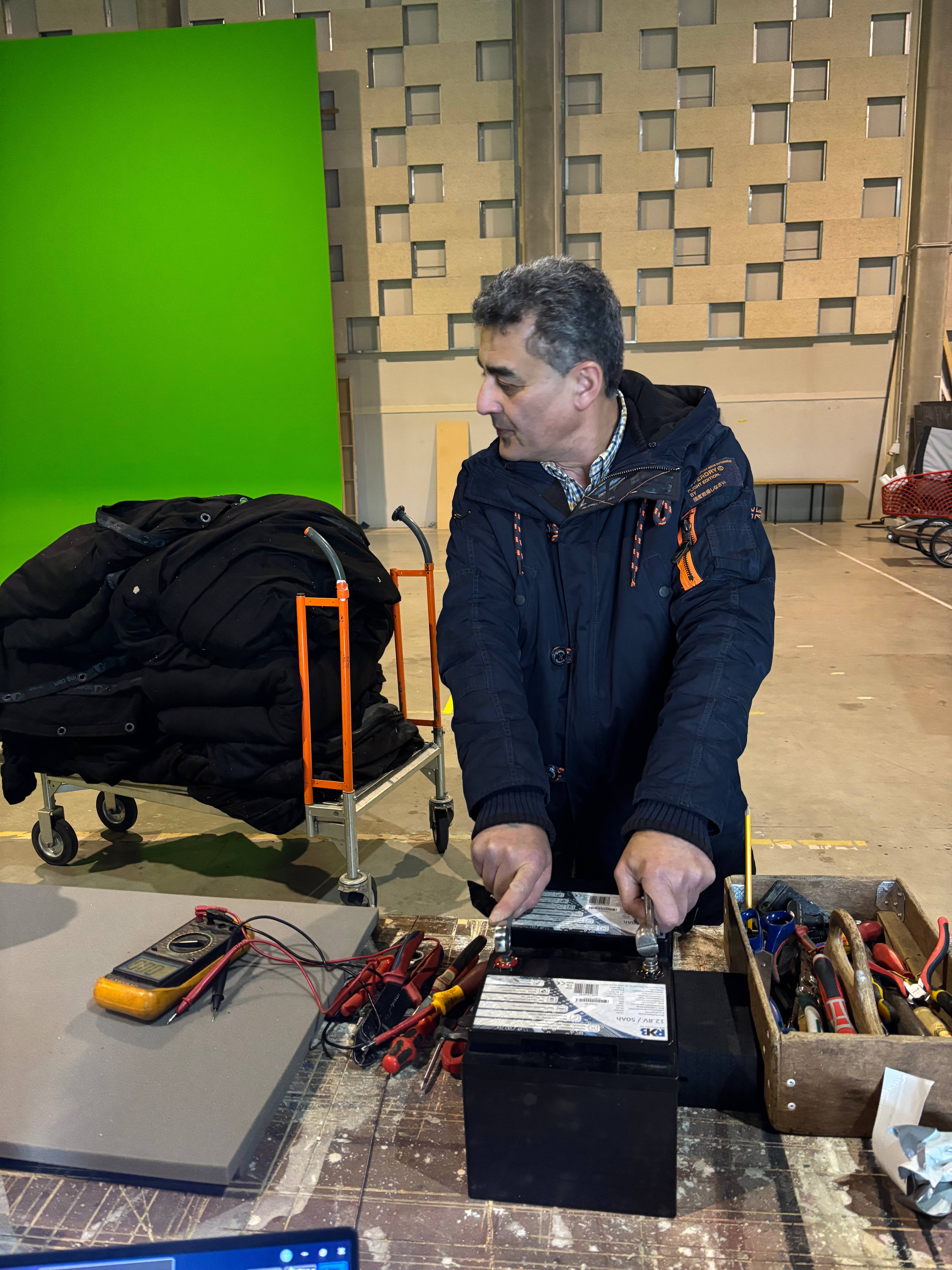
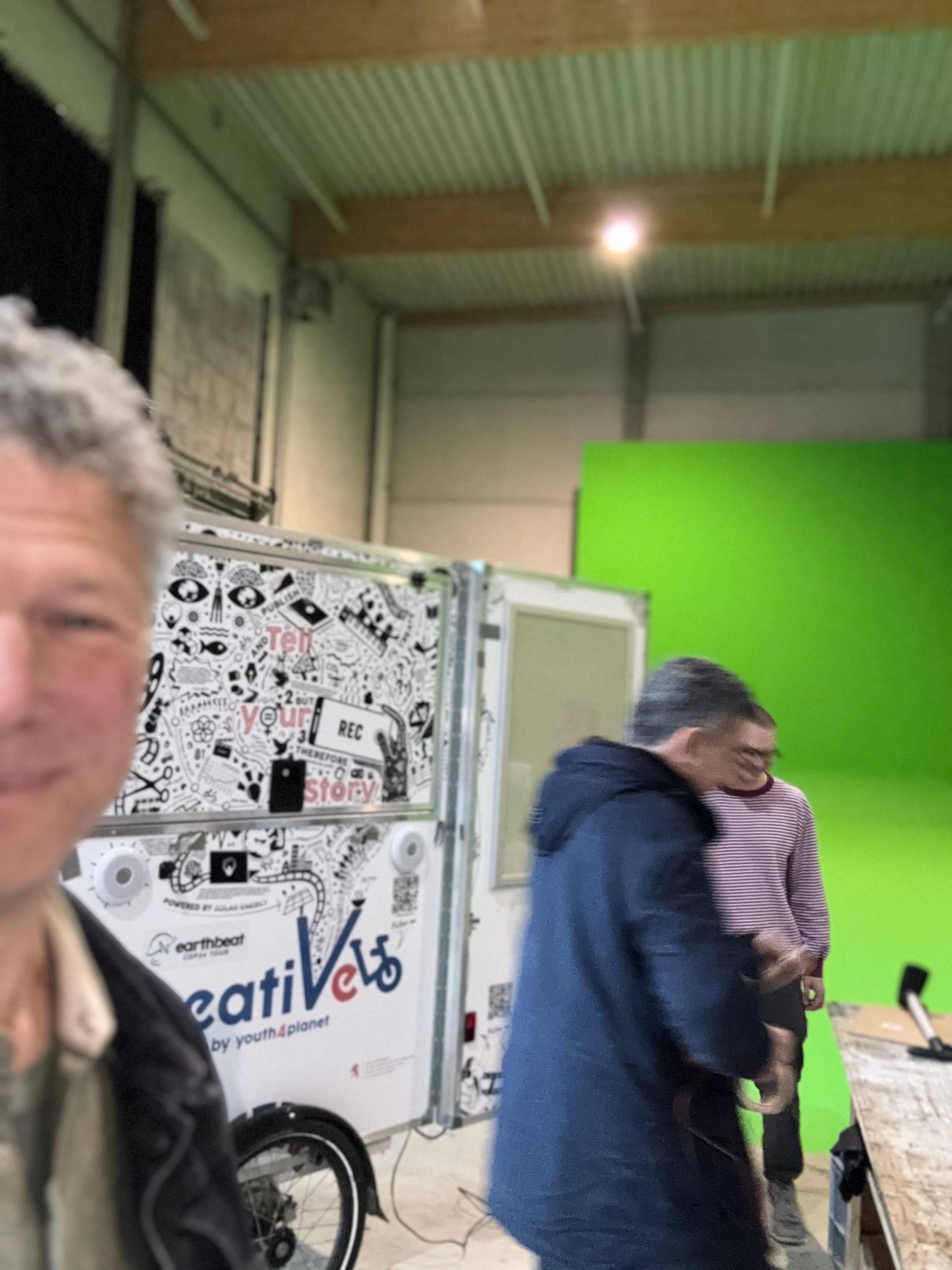
This week at Youth4Planet, we were reminded of this simple truth. With CreatiVelo manager Semion Smolenskiy, we invited Marcel Barros, founder of the remarkable initiative “Batteries of Hope,” to evaluate and service the battery systems powering our fleet of multimedia cargo e-bikes.
The scene was refreshingly analog:
A workbench.
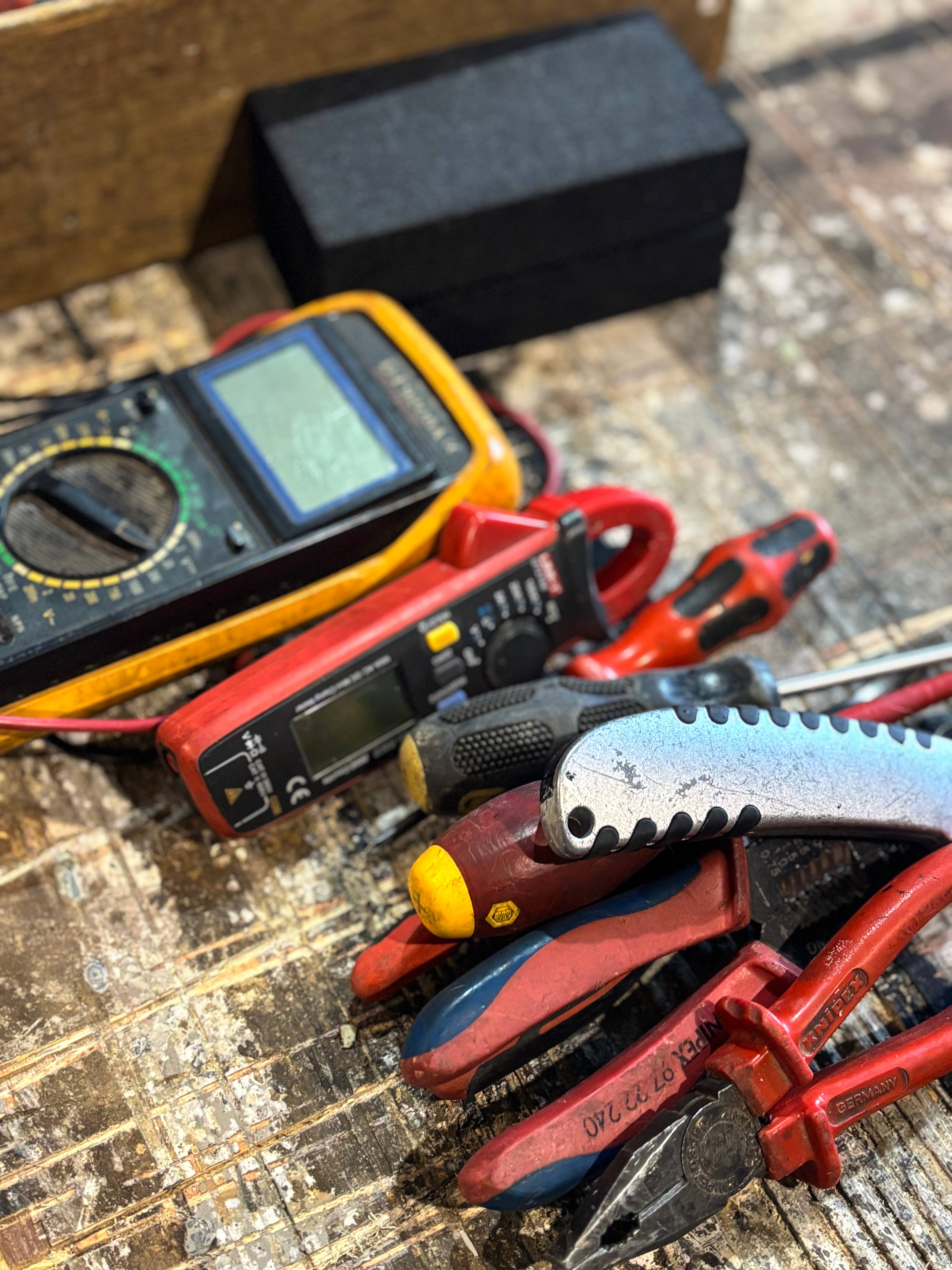
A multimeter.
Screwdrivers and pliers.
And a pair of careful hands opening battery casings that normally remain sealed mysteries.
The tools looked modest. The mission was not.
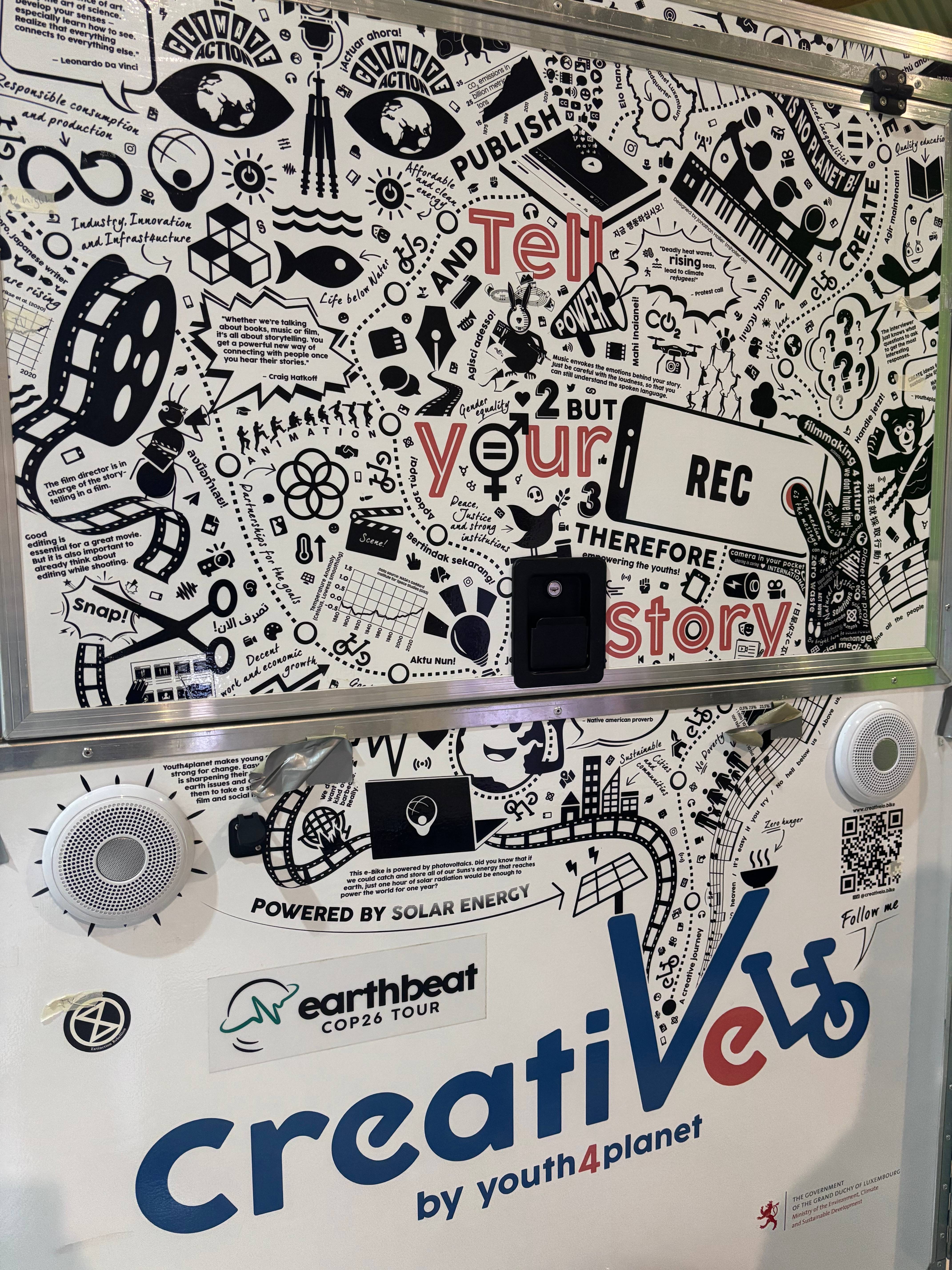
Our CreatiVelo cargo bikes carry something unusual: a mobile storytelling platform that travels to schools, festivals, and public spaces. They are moving classrooms, rolling media studios, and climate ambassadors: proof that active mobility and renewable energy belong together.
But every ambitious system has a weak point.
Not ideology.
Not imagination.
Hardware.
Batteries age. Connections loosen. Components fatigue. Weather and vibration do their slow, quiet work. If we wait for failure, the consequences are predictable: downtime, frustration, waste, and . . . most damaging in places where fossil fuel interests are watching . . . an excuse to say this stuff doesn’t work.
Pre-emptive maintenance is the antidote.
And it requires something that fossil fuel regimes desperately want us to forget: community knowledge.
Marcel Barros represents a tradition that deserves far more recognition in the global climate movement: repair culture. Through Batteries of Hope, he works to create portable rechargeable energy storage systems for war-torn communities. Instead of seeing used Tesla and Vape batteries as waste, he sees them as reservoirs of possibility.
This matters enormously in communities still fighting for basic active mobility infrastructure. When fossil fuel interests control the narrative, every broken e-bike, every dead battery, every failed solar panel becomes ammunition. “See?” they say. “This renewable stuff is unreliable. Give us another pipeline instead.”
Maintenance steals their argument.
The climate transition will not succeed if it relies only on manufacturing new things. It must also learn to take better care of the things we already have: especially in communities where the next new thing is perpetually delayed by those who profit from the status quo.
Repair is climate action.
Maintenance is climate action.
Preventing waste before it happens is climate action.
For Youth4Planet, this philosophy matters deeply. Our CreatiVelo project was designed to demonstrate how storytelling, renewable energy, and active mobility can travel together. But the credibility of such a project depends on whether we treat our own equipment with the same sustainability values we advocate publicly.
That means planning maintenance before problems appear.
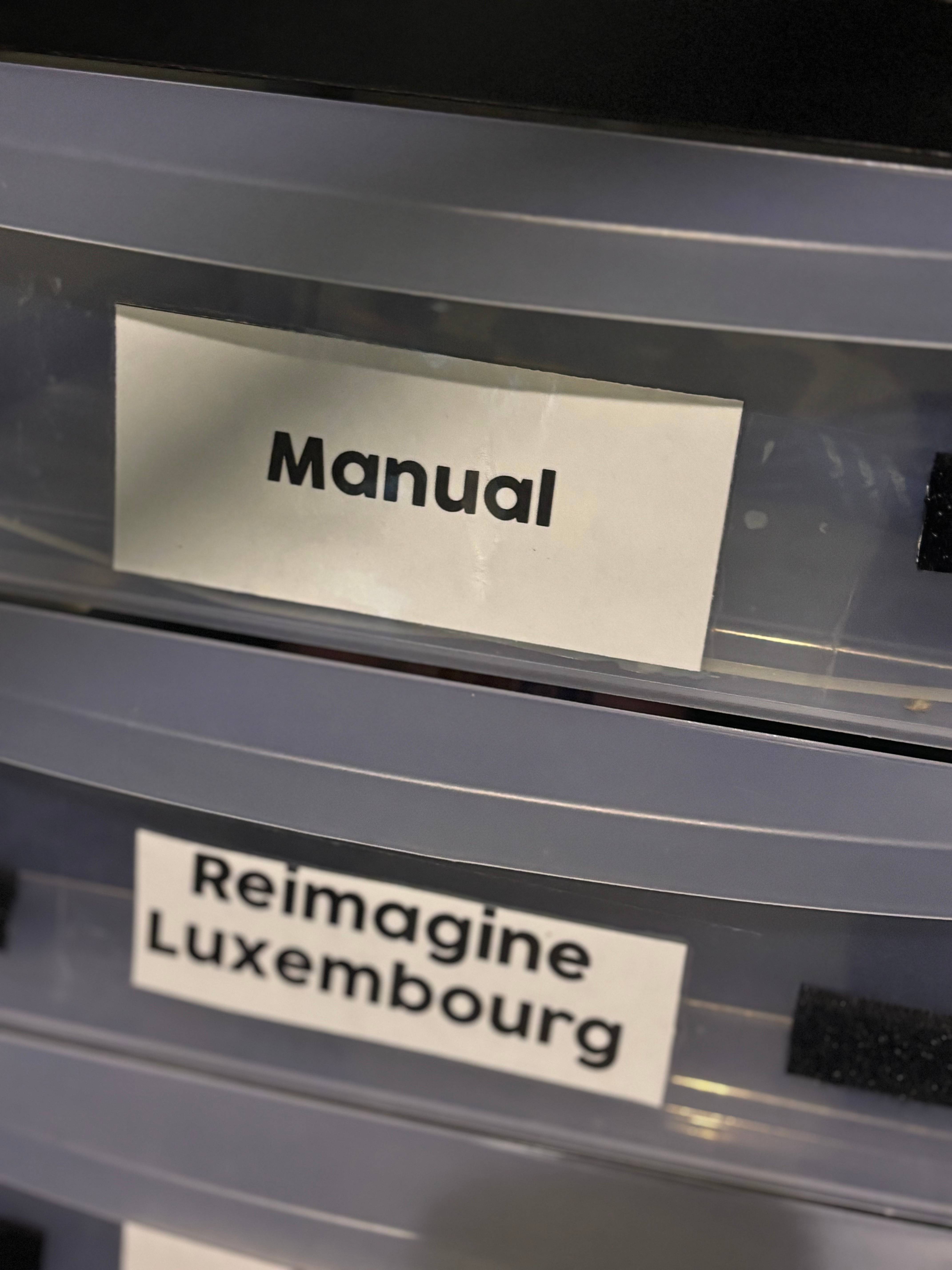
It means documenting inventories.
Organizing manuals.
Training the next generation of young technicians and storytellers . . . especially in places where fossil fuel companies would rather young people grow up believing their only future is in extractive industries.
. . . and it means regularly inviting someone like Marcel into the workshop to patiently check every connection, every cell, every voltage reading.
There is something quietly inspiring about these moments. In an age of flashy announcements and corporate greenwashing, the simple act of keeping something running is rewarding.
The climate movement is often portrayed as a race against time. And it is. But races are not won only through speed. They are won through endurance.
Endurance comes from systems that are cared for.
From people who share knowledge.
From communities that understand that sustainability is not just about building the future. Sustainability is about maintaining “the future” . . . often against powerful forces that would prefer we fail.
Watching Marcel and Semion at work reminded me of something the late environmental pioneer Albert Fritsch regularly reminded me in . . . a community surrounded by coal country, where fossil fuel interests shaped every aspect of life:
“Care is the most underestimated environmental technology.”
He was right then. He is right now.
If the climate movement is to succeed, it will need many inventors. But it will also need thousands of patient maintainers: the people who keep the systems running long after the ribbon-cutting ceremonies have ended, and especially in places where the fossil fuel industry is still fighting to ensure there are no ribbons to cut at all.
At Youth4Planet, our cargo bikes will soon be back on the road.
Charged.
Tested.
Ready to tell new stories.
Quietly carrying with them one of the most important lessons of sustainable innovation:
The future does not belong only to those who build things.
It belongs to those who take care of them . . . especially when someone powerful is waiting for them to break.
Further Reading:
- Watch RTL Lëtzebuerg’s news-presentation on Batteries of Hope https://www.rtl.lu/news/panorama/mat-einfache-moyenen-de-leit-an-der-ukrain-hellefen-2241033