Luxembourg has recently seen three announcements that, at first glance, seem unrelated: Science + Food & Active Mobility . . .
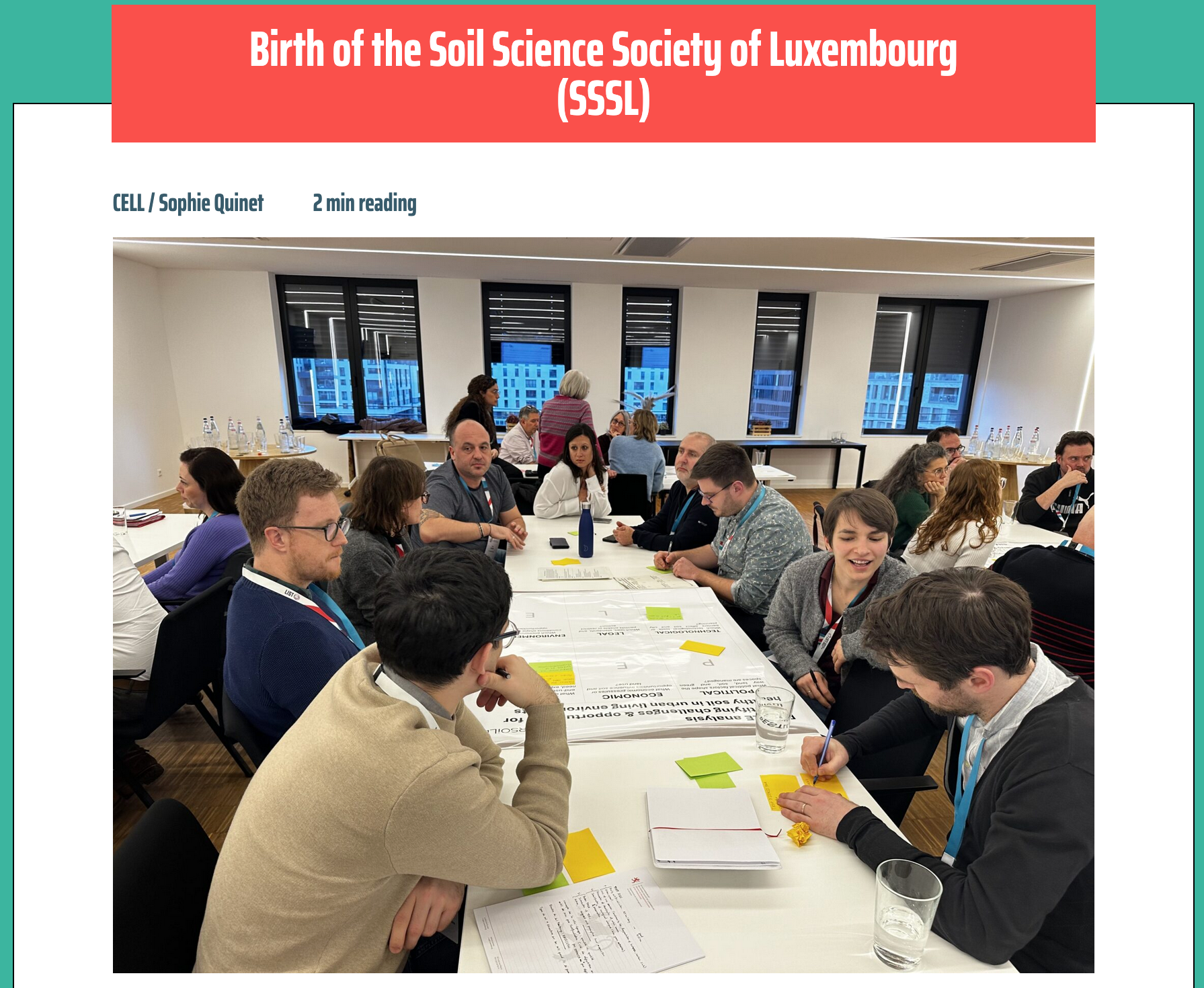
- the first concerns the birth of the Soil Science Society of Luxembourg, a new association dedicated to understanding and protecting soils
- the second from the farmers at Terra Community Supported Agriculture, announcing the first spring sowings at the Eicherfeld gardens and inviting new and existing CSA-members to subscribe to their 2026 weekly vegetable basket
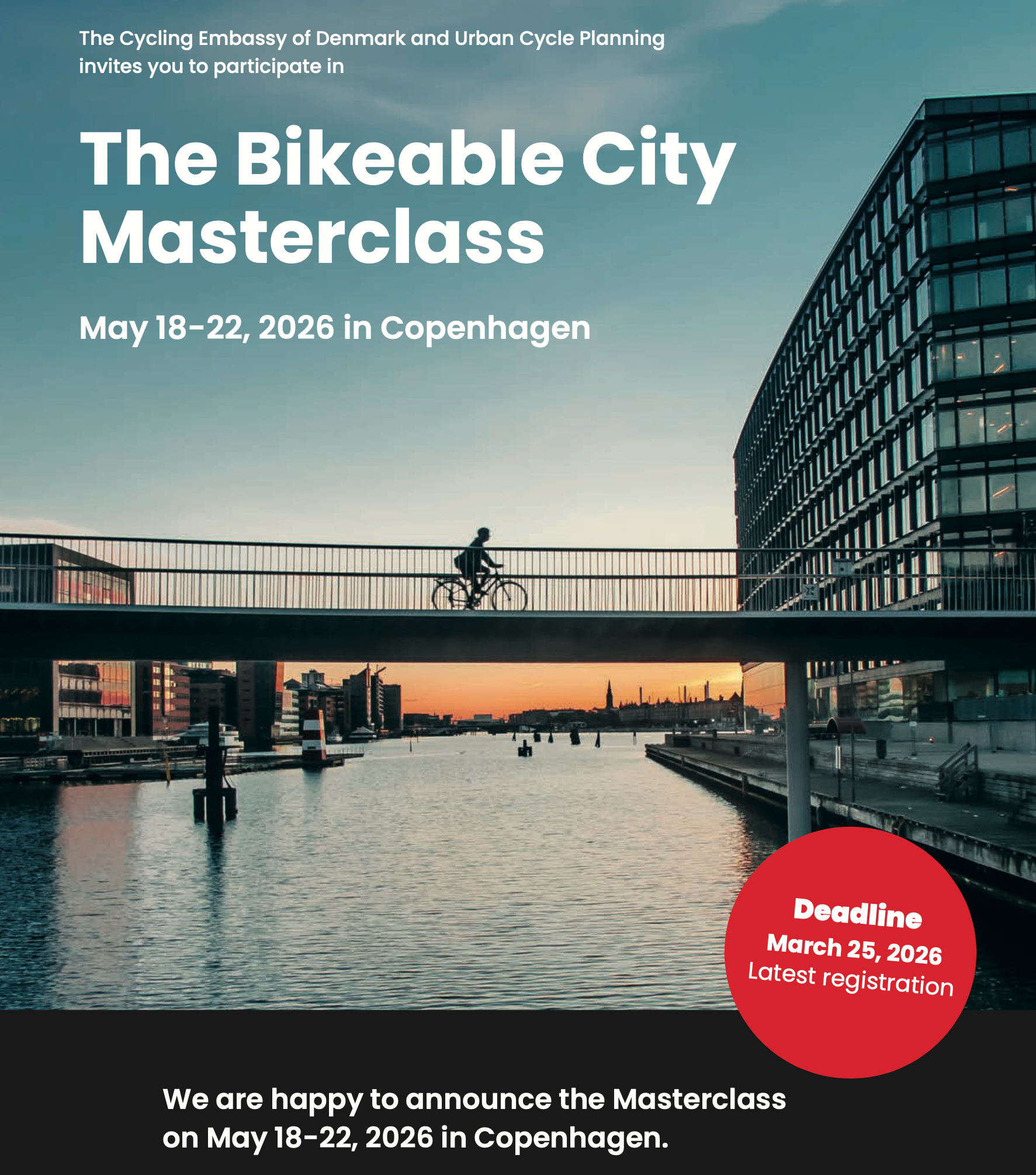
- the third on THE international masterclass on active mobility education + infrastructure & more in Copenhagen
When we look more closely, they reveal a single story: the quiet rediscovery of the ground beneath our feet. Why? Modern environmental debates usually look upward. We talk about atmospheric carbon concentrations, renewable energy targets, and the electrification of mobility systems. These discussions are vital.
But the most fundamental climate system on Earth lies below us: Soil. Healthy soil feeds crops. It filters water. It stores carbon. It supports billions of organisms in every handful of earth. It absorbs rainfall and protects landscapes from floods.
Without living soil, agriculture collapses, water systems destabilize, and climate mitigation becomes vastly more difficult. Yet modern societies have treated soil largely as a construction platform:
- Cities seal it under asphalt
- Agriculture compacts it with heavy machinery
- Industrial supply chains disconnect consumers from the landscapes that feed them
The danger of soil degradation is not that it happens dramatically. The danger of soil degradation is that it’s happening “quietly”, non-stop, 24-7-365 year after year, decade after decade, century after century.
Luxembourg recently saw the creation of the Soil Science Society of Luxembourg, a new association bringing together researchers, planners, agricultural advisors, and citizens committed to understanding and protecting the country’s soils. At the same time, initiatives such as the URSOILL urban soil living lab are asking new questions about how cities interact with the ground beneath them.
Urban soils have long been ignored in planning. Climate change is forcing cities to rediscover something fundamental: healthy soils function like giant ecological sponges. They absorb rainfall and release it slowly into groundwater systems.
Sealed soils do the opposite. They accelerate runoff and intensify flood risks. Understanding soil is therefore no longer just an agricultural question. It has become central to urban resilience.
While scientists discuss soil systems, something equally important is happening quietly on the fields of the Eicherfeld: at Terra Community Supported Agriculture, the first seedlings of spring are now arriving from partner greenhouses and being transplanted into the soil.
Within weeks, winter’s quiet fields will transform into a vibrant edible landscape.
Members who subscribe to Terra’s weekly vegetable basket will receive something increasingly rare in the modern food system.
Seasonal vegetables grown in Luxembourg soil.
Bread baked by artisan bakers using traditional flours.
Eggs, mushrooms, and other foods from nearby producers.
Community Supported Agriculture reconnects people with the land that feeds them. How? Members share the rhythm of the harvest. They see how weather, soil fertility, and biodiversity shape the food on their table.
In a world where supermarkets hide the origins of food behind packaging and logistics, CSA models restore something essential: a thriving relationship with soil. Terra’s fields and orchards are not simply vegetable and fruit gardens. They are ecosystems where plants interact with underground fungal networks that exchange nutrients with roots. Earthworms aerate the soil. Microbial communities transform minerals into nutrients plants can absorb.
This underground biodiversity is sometimes called the soil microbiome. Without it, agriculture becomes dependent on synthetic inputs. With it, landscapes become resilient.
The growing interest in seed diversity and community seed banks across Luxembourg reflects the same ecological principle. Diversity above ground sustains diversity below ground. Diversity is the foundation of resilience.
Now consider the third announcement: from 18th-22nd May 2026, urban planners + decision-makers + advocates will gather in Copenhagen for the Bikeable City Masterclass, led by the internationally respected architect Lotte Bech together with experts from the Danish cycling planning ecosystem, including specialists shaped by the legacy of urbanist Jan Gehl.
The masterclass invites participants to experience the Danish model of cycling culture and infrastructure first-hand. Through workshops, site visits, and guided bicycle tours, participants explore how cities can integrate cycling into sustainable mobility policies, improve safety, and design urban environments that prioritize people rather than cars.
At first glance, this may appear unrelated to soil. In reality, active mobility is deeply connected to soil health. Every additional kilometer traveled by bicycle instead of by car reduces:
• air pollution that settles into soils
• heavy metal contamination from traffic
• microplastic tire particles entering waterways
• oil and chemical runoff from road surfaces
Walking and cycling also support urban designs that prioritize green corridors, trees, and permeable surfaces rather than endless asphalt.
Cities designed for cars tend to seal soil.
Cities designed for people and active mobility tend to protect it.
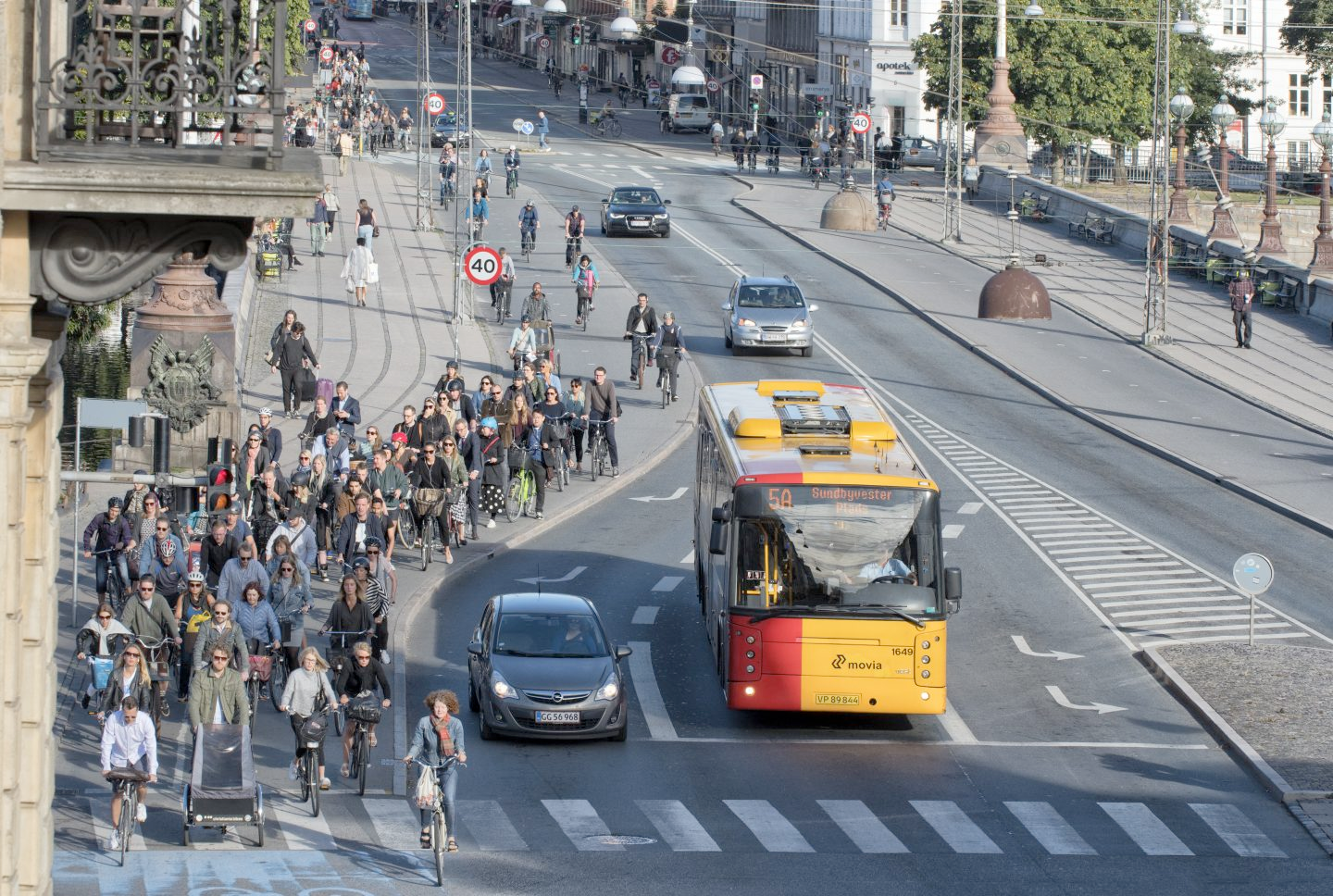
When we step back, these three announcements begin to form a pattern: Soil scientists studying living ground systems + Community farmers cultivating biodiverse landscapes + Urban planners learning how to build communities where walking and bicycling replace-car dependency.
Each initiative addresses a different aspect of the same challenge: for two centuries, industrial civilization mastered extraction. Now we must re-learn regeneration. Seed exchanges repair agricultural biodiversity. Community farms repair soil fertility. Bikeable communities repair the relationship between people and urban space.
Soil operates on a timescale that modern societies rarely contemplate: a centimeter of fertile topsoil can require centuries to form. Yet it can disappear in a single season through erosion or sealing. Political cycles last a few years. Infrastructure planning spans decades.
Soil asks us to think in centuries. When societies begin to protect soil, they are implicitly acknowledging a longer responsibility to the future. They are recognizing that prosperity depends not only on technology and innovation, but on the slow biological processes that sustain life on Earth.
Luxembourg’s soil awakening is still young. A scientific society has been founded. Community farms are preparing spring harvests. Urban planners are scaling-up Copenhagen’s lessons across Asia, Europe, the Americas, Australia/New Zealand and Africa.
None of these developments will dominate the headlines. Together they point toward something important: a society that learns to protect its soil begins to rediscover humility. In that humility lies the possibility of rebuilding a relationship with the Earth that is not based on extraction, but on stewardship.
The ground beneath our feet has always sustained us.
The question always remains: how we are finally ready to sustain it?
. . .
Relevant UN Sustainable Development Goals include:
SDG 2: Zero Hunger + SDG 4: Quality Education + SDG 6: Clean Water & Sanitation + SDG 11: Sustainable Cities & Communities + SDG 12: Responsible Consumption &nd Production + SDG 13: Climate Action + SDG 15: Life on Land
Further Information:
- Birth of the Soil Science Society of Luxembourg (SSSL): https://www.cell.lu/en/blog/naissance-de-la-soil-science-society-of-luxembourg-sssl/
- Terra Community Supported Agriculture = Subscribe now for your weekly local, heritage, seasonal vegetables + fruit + herbs + eggs + bread & meat: https://terra-coop.lu/en/shop/basket-subscription/
- Bikeable City Masterclass: https://cyclingsolutions.info/embassy/bikeable-city-masterclass/