Tonight, on World Candle Lighting Day . . . at 7:00 PM local time, we light a candle. We sit with names that should still be laughing. We acknowledge families whose calendars are forever split into “before” and “after.”
For 24 hours, this shared circle of light moves westward . . . a global relay of grief where love refuses to end . . . and in that quiet, flickering light, a harder question arrives, as it does at every bedside and every memorial:
What can we do . . . proactively, systemically . . . to prevent childhood cancer? What we know . . . and what we must not ignore?
Survival is an inequality. In high-income countries, more than 80% of children diagnosed with cancer now survive. In low- and middle-income countries, survival can fall below 30%.
Where a child is born still determines whether cancer is treatable . . . or terminal.
Causes are often uncertain. Many childhood cancers arise from early DNA changes where the “why” remains unknown. Known risk factors explain only part of the picture. For many cancer types, strong, direct primary-prevention levers are still being established.
Responsibility does not disappear with uncertainty. What uncertainty does not justify is inaction. We have a profound responsibility to act decisively on what is known . . . to reduce avoidable harms and to build systems of foundational health that protect all children, regardless of causality.
Prevention through co-benefits . . . acting where certainty exists . . .
This is not about claiming a single cause or a single cure. It is about designing societies that reduce toxic exposure, strengthen resilience, and deliver benefits far beyond cancer prevention alone.
A non-toxic environment
Clean air, safe water, and uncontaminated soil are not luxuries . . . they are baseline health infrastructure. The World Bank has estimated the global health and welfare costs of air pollution alone in the trillions of dollars annually. Even from a purely economic perspective, pollution is an expensive, deadly addiction. Treating carcinogenic “business as usual” as “acceptable” is a policy failure . . . not an inevitability.
Food that looks like food
Seasonal, local, minimally processed nourishment. Vegetables and fruits across the color spectrum. Fermented foods. Nuts, legumes, mushrooms. Supply chains that favor low-heat pasteurization, returnable glass, and regenerative farming. This is not about claiming a specific menu prevents leukemia. It is about recognizing that metabolic, immune, and developmental resilience are built on whole foods . . . not ultra-processed ones.
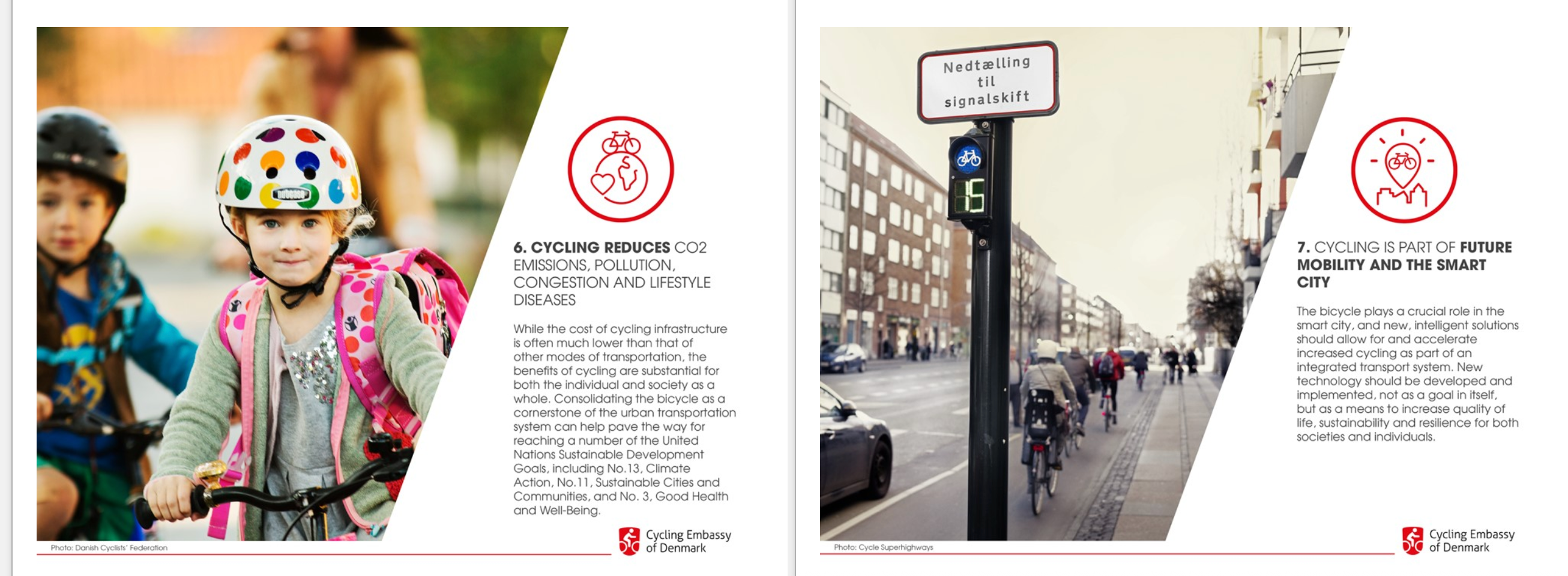
Active mobility as infrastructure
Designing communities where walking and cycling to school is the safe, joyful norm . . . not an act of courage. The World Health Organization estimates that physical inactivity will cost global health systems nearly USD 300 billion between 2020 and 2030. From a wealth perspective alone, embedding daily movement into urban design is one of the highest-return public investments available.
Clean energy as health infrastructure
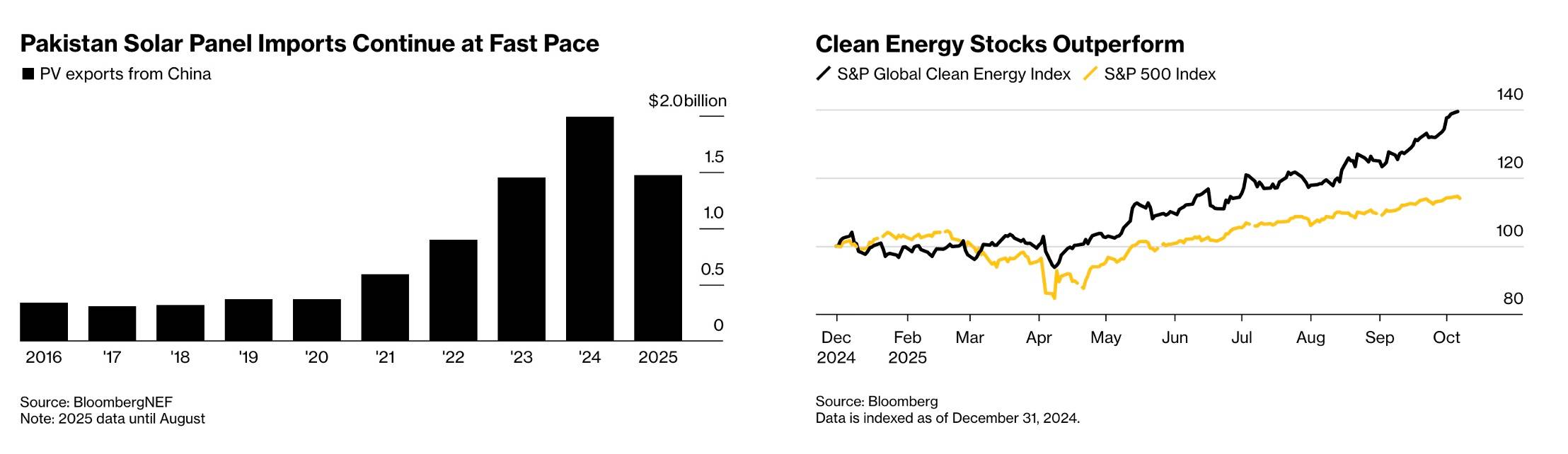
Rapidly electrifying what we can . . . and powering it with renewables and storage. Every avoided combustion source around homes, schools, and playgrounds reduces particulate matter and toxic exposure during critical windows of childhood development. Clean energy is not only climate policy. It is pediatric health policy.
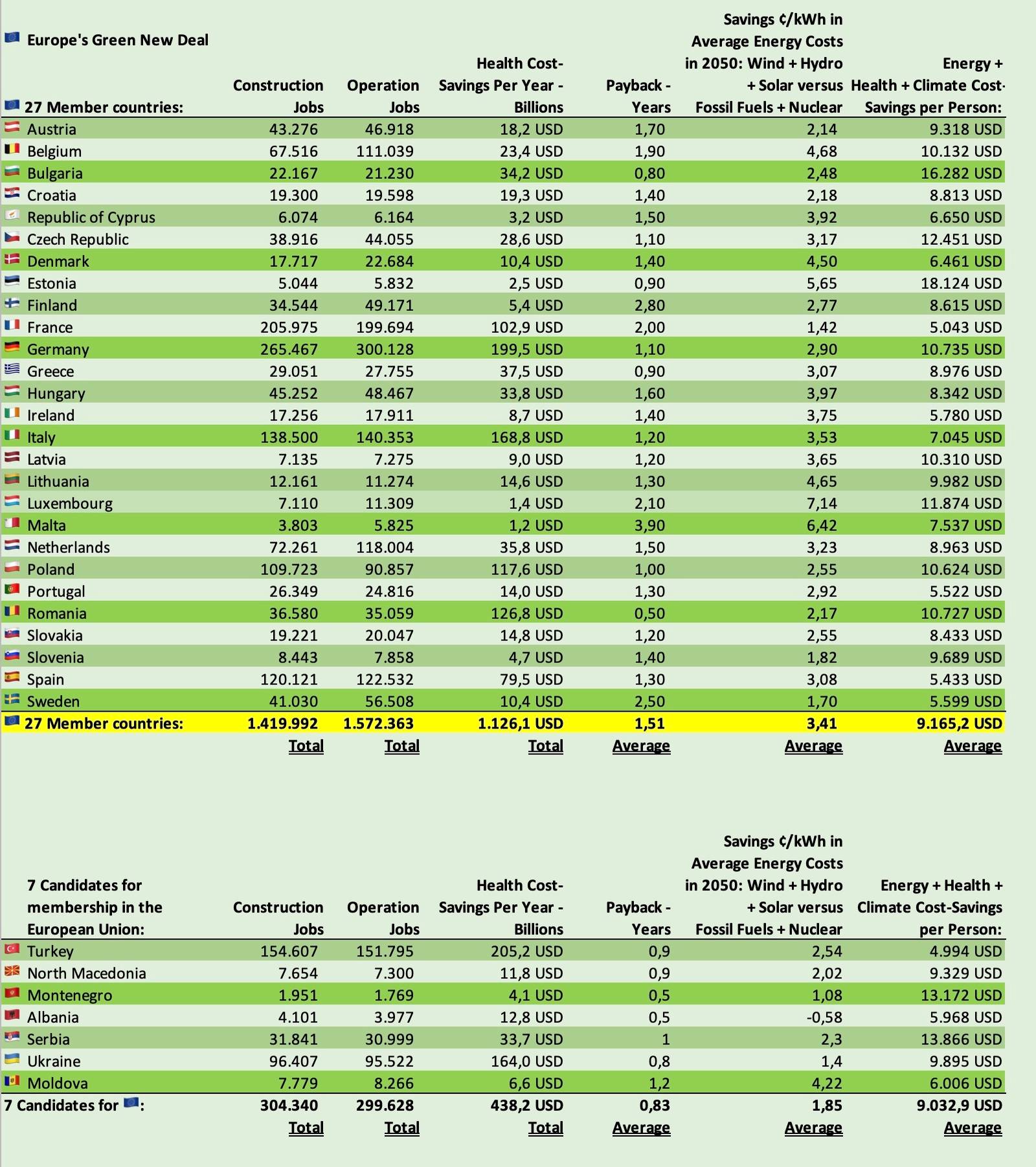
What would we gain?
If this blueprint were scaled globally, we would not only reduce avoidable exposures . . . we would build health systems capable of delivering 80%+ survival rates to every child, everywhere. We would stop geography from being a diagnosis.
Tonight . . . and tomorrow
So tonight, at 7:00 PM, you know what to do:
Light a candle.
Take a photo.
Share it with #CandleLightingDay, and tag #CCI_Europe and #childhoodcancer.
Tomorrow, let that candle become policy. Pick one institution you touch . . . your school, workplace, municipality, hospital board, or association . . . and advocate for one 90-day prevention lever:
- Safer school streets with active-commuting support
- Procurement of minimally processed food
- Highest indoor air-quality standards
- Anti-idling enforcement
- Faster clean-energy upgrades for public buildings
- Funding equity so “where you’re born” never again decides survival
Grief deserves remembrance . . . and . . . Love demands action.
– – –
Further reading:
- European Cancer Inequalities Registry (ECIR) https://cancer-inequalities.jrc.ec.europa.eu/
- European Cancer Information System (ECIS) https://ecis.jrc.ec.europa.eu/
- The World Health Organization – The Global Initiative for Childhood Cancer https://www.who.int/initiatives/the-global-initiative-for-childhood-cancer
- The World Bank – Open Knowledge Repository Publication: The Cost of Air Pollution: Strengthening the Economic Case for Action https://openknowledge.worldbank.org/entities/publication/cf3cfda2-6232-5f57-9979-dacb8aa5a302