Across this October 2025 news cycle, the Financial Times and Bloomberg paint a world that is wrestling with itself. In barely three weeks, governments and corporations from London to Beijing, from Brasilia to Washington, again and again reveal the fault lines of our planetary transition. Old systems strain to preserve themselves; new ones rise, often unevenly, from the debris of policy whiplash and political denial. Some stories show genuine progress: Singapore’s 6-gigawatt pivot to cross-border clean power; California’s mega-batteries stabilising renewables; Japan’s insurers reinventing resilience through engineering. Others expose retreat: Britain’s climate leadership unraveling under populist rhetoric, the United States dismantling its own climate data, the European Union softening its green laws under pressure from Washington and domestic fatigue. Threaded through them all is a question that goes beyond ideology: how can our institutions align markets, ethics, and survival fast enough to meet the decisive tests? Each of the United Nations’ seventeen Sustainable Development Goals . . . seen by some as “ideals” . . . read like a diagnostic panel for a civilisation under strain. From poverty to peace, from plastics to power grids, the headlines for October 2025 thus far tell us not only where we are failing, but where ingenuity incarnates. What follows is a synthesis of those signals: seventeen prisms through which Youth4Planet invites our audience to see how economics, ecology, and justice are colliding . . . and converging . . . on the path toward a liveable future. The patterns are visible; the excuses are exhausted. Our generation has inherited both the evidence and the agency to act. The task now is to make decency operational: to turn the moral clarity of the Sustainable Development Goals into muscle memory for cities, schools, ministries, and movements. The threat is hybrid: disinformation, delay, and despair. The solutions begin with the street outside your door. As Jane Goodall insisted: hope is not a feeling. . . hope is a discipline.
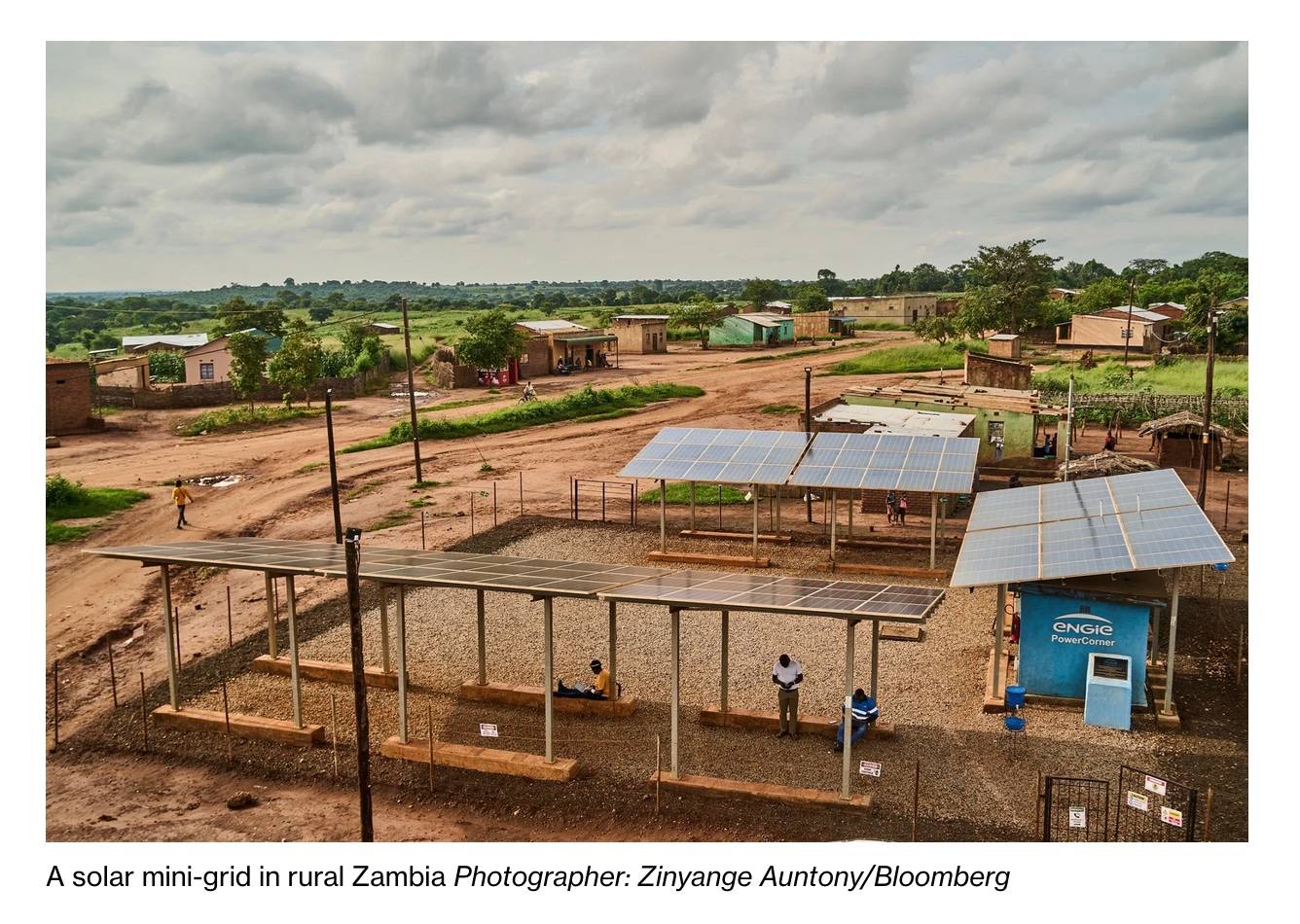
SDG 1 — No Poverty: New $500m Mwinda Fund in DR Congo (World Bank–backed) targets mini-grids and solar home systems to lift electrification—crucial poverty alleviation in a 100m-person market with ~20% access. Disaster recovery costs are now a structural chunk of US GDP growth; FEMA retrenchment shifts risk onto low-income communities least able to rebound. Brazil’s proposed $125bn TFFF (with World Bank as trustee) would pay forest nations for conservation—steady revenues for low-income regions if governance holds.
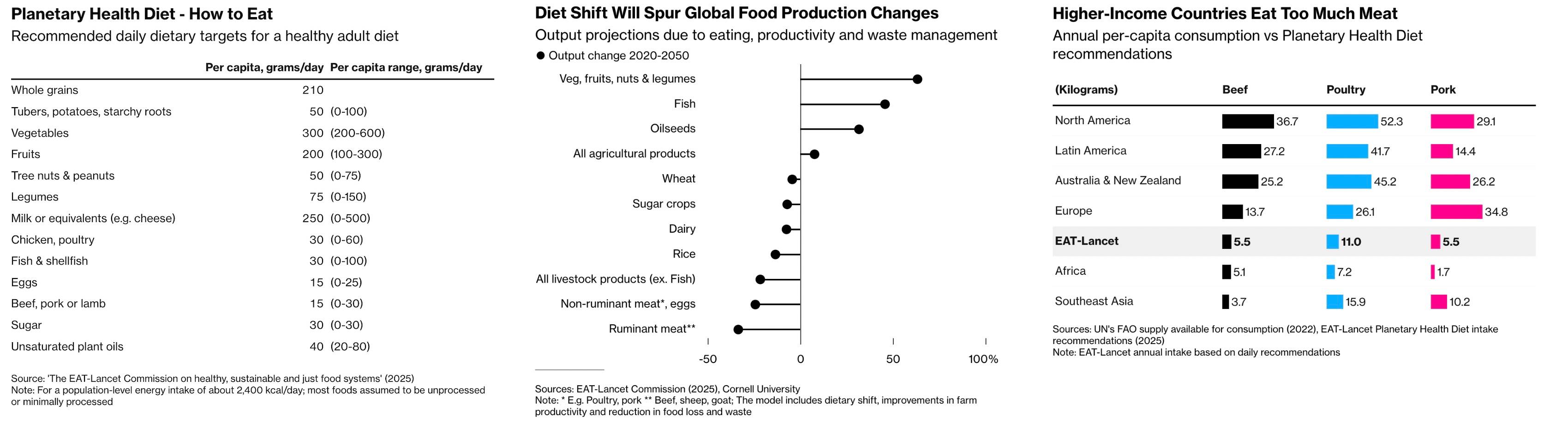
SDG 2 — Zero Hunger: UK food inflation is concentrated in climate-sensitive staples (butter, milk, beef, chocolate, coffee), with weather and disease shocks, not just labor/tax costs, driving bills. EU deforestation law (EUDR) moves forward with shortened leeway and simplified requirements for smallholders—aimed at curbing forest-linked commodities without choking supply.
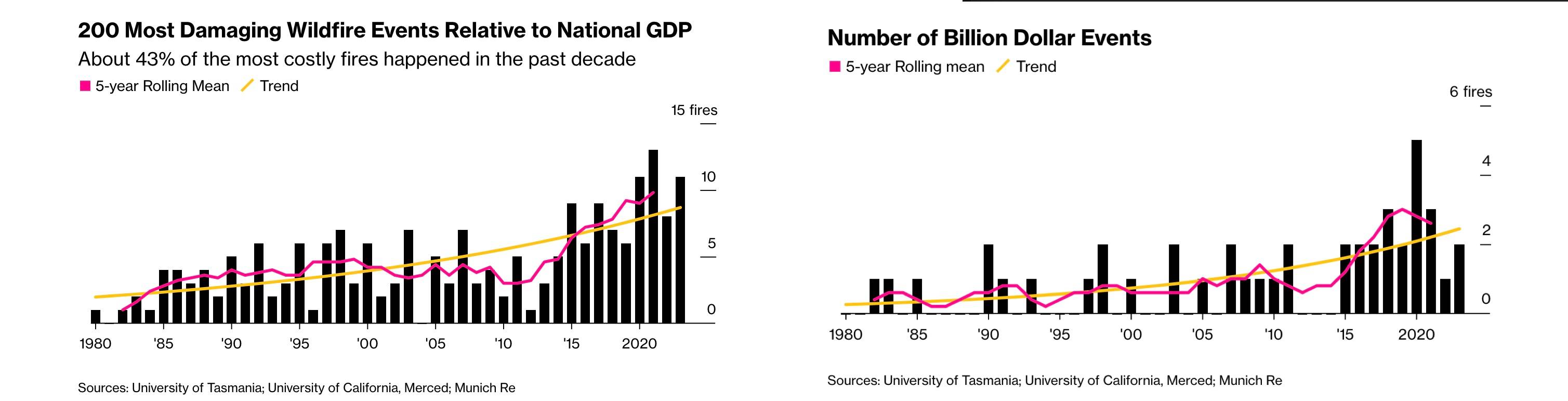
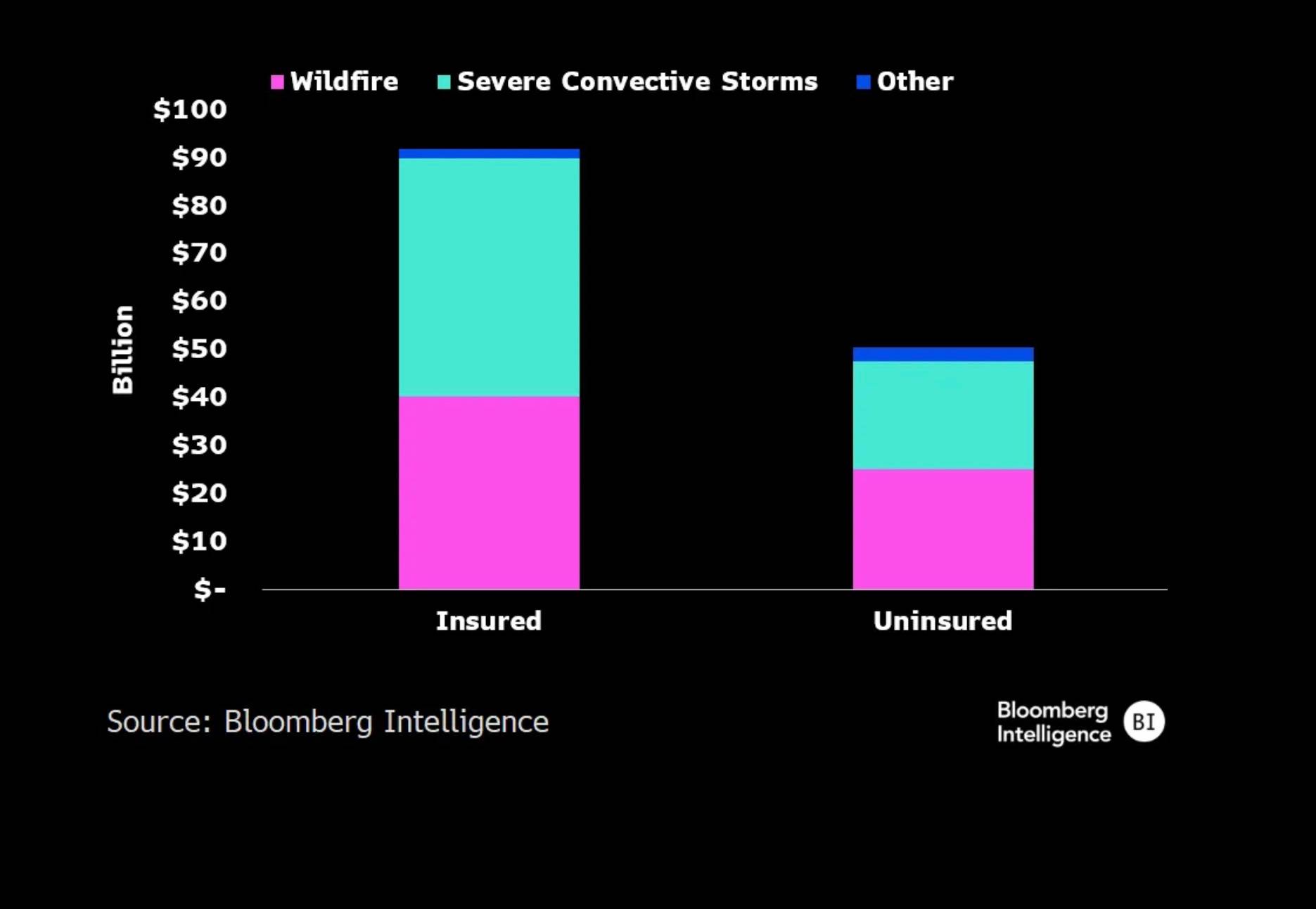
SDG 3 — Good Health & Well-being: Wildfire disasters are more frequent/costly; smoke and displacement elevate health risks; study flags gaps in evacuation/comms. UK to speed pollution fines for water utilities, targeting sewage spills that harm public health. NOAA cuts and data censorship threaten forecast quality (e.g., hurricane accuracy), undermining disaster preparedness and health protection.
SDG 4 — Quality Education: US federal scrubbing of climate websites/datasets and staff purges degrade public science literacy; universities and NGOs rush to archive and recreate resources (e.g., climate.us). France’s “Safe Place for Science” relocates US researchers—preserving climate scholarship and training pipelines.
SDG 5 — Gender Equality: Not explicit in the articles; indirect: food inflation and climate disasters disproportionately burden women caregivers and low-wage workers; safeguarding social services/data access supports women’s resilience.
SDG 6 — Clean Water & Sanitation: UK proposal enables quicker, lower-burden penalties (up to £500k) for water pollution—deterrence for chronic sewage discharges. NOAA satellite and monitoring cutbacks risk water quality & flood early-warning gaps; UK reforms contrast with US rollbacks.
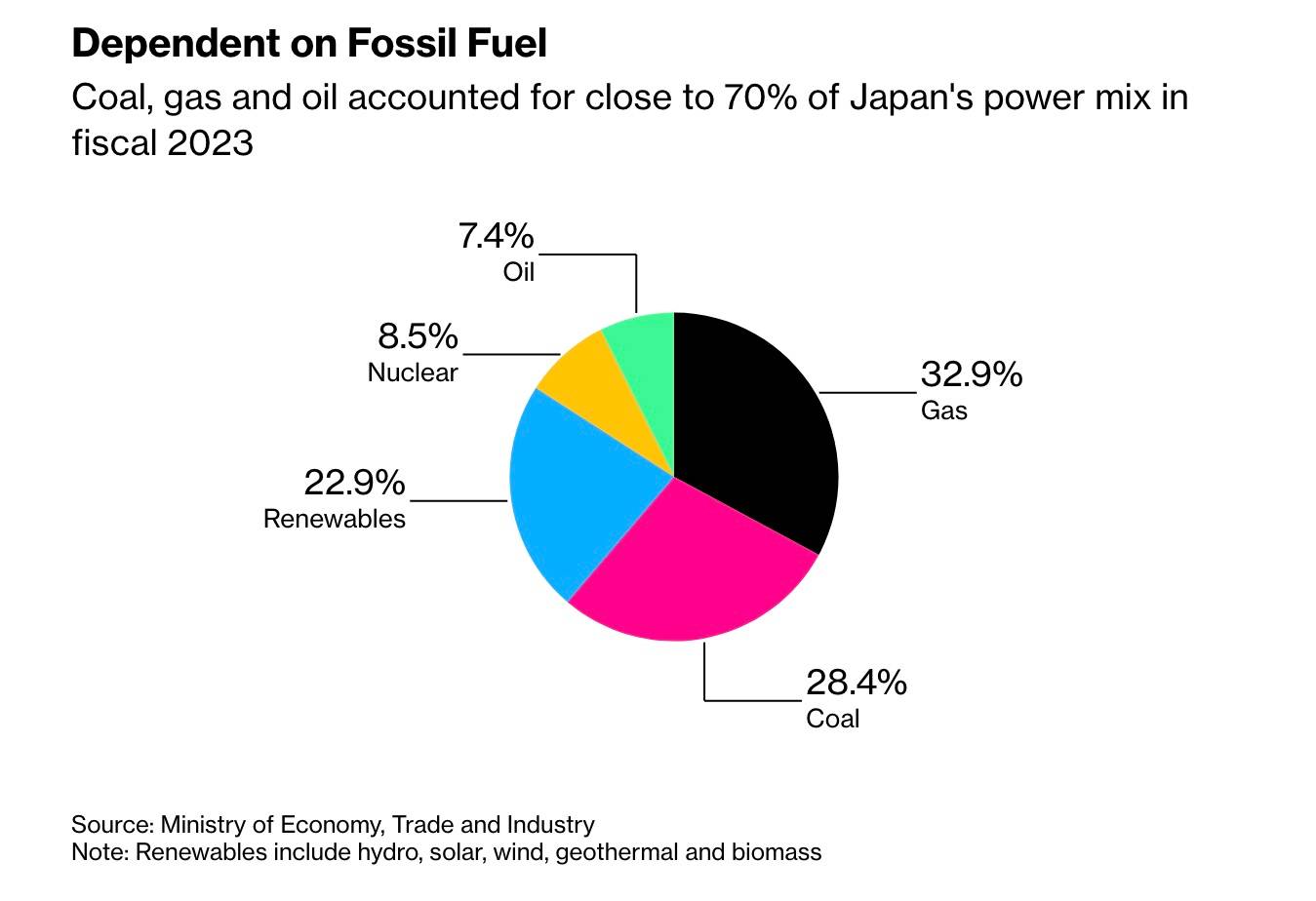
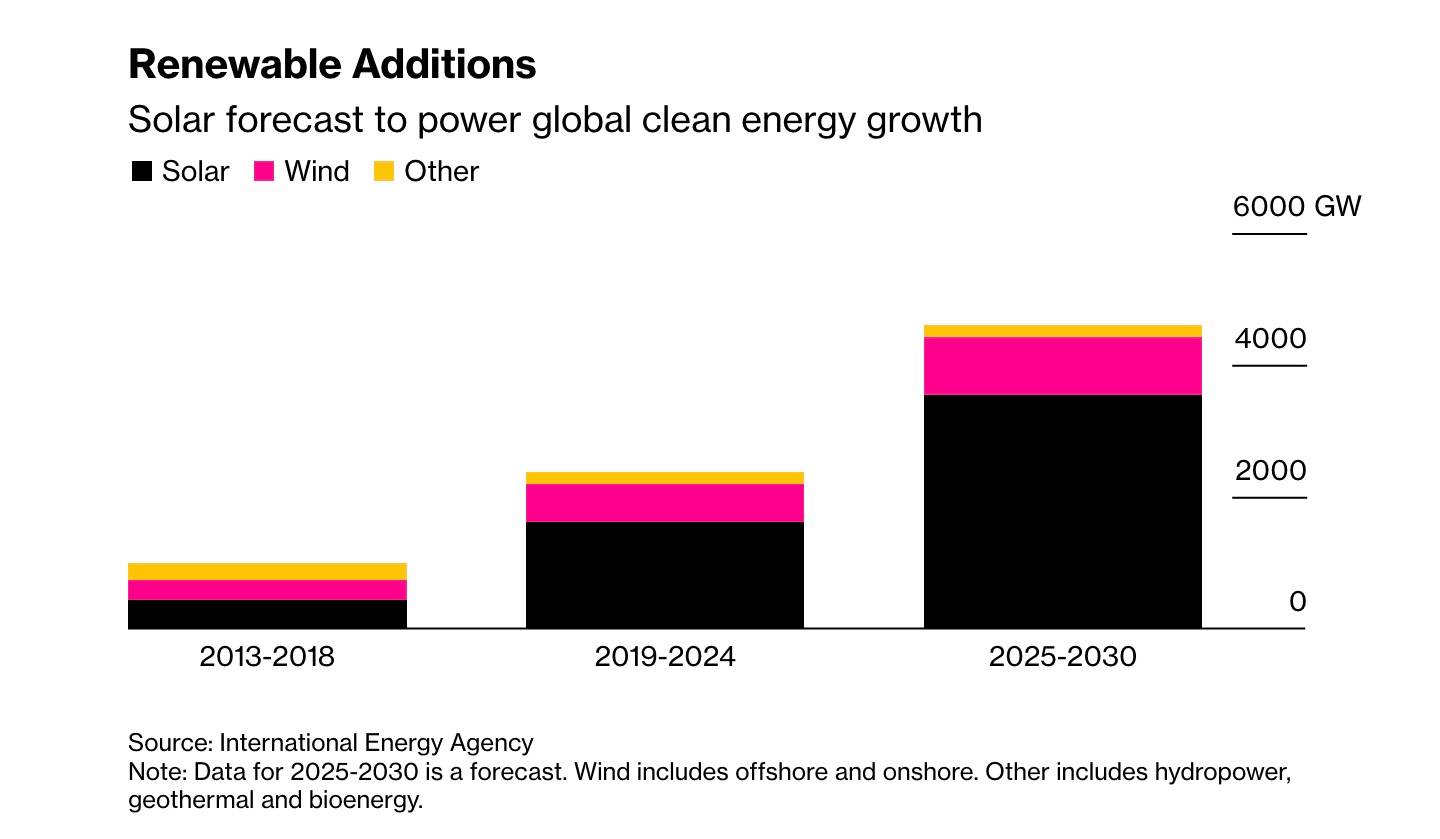
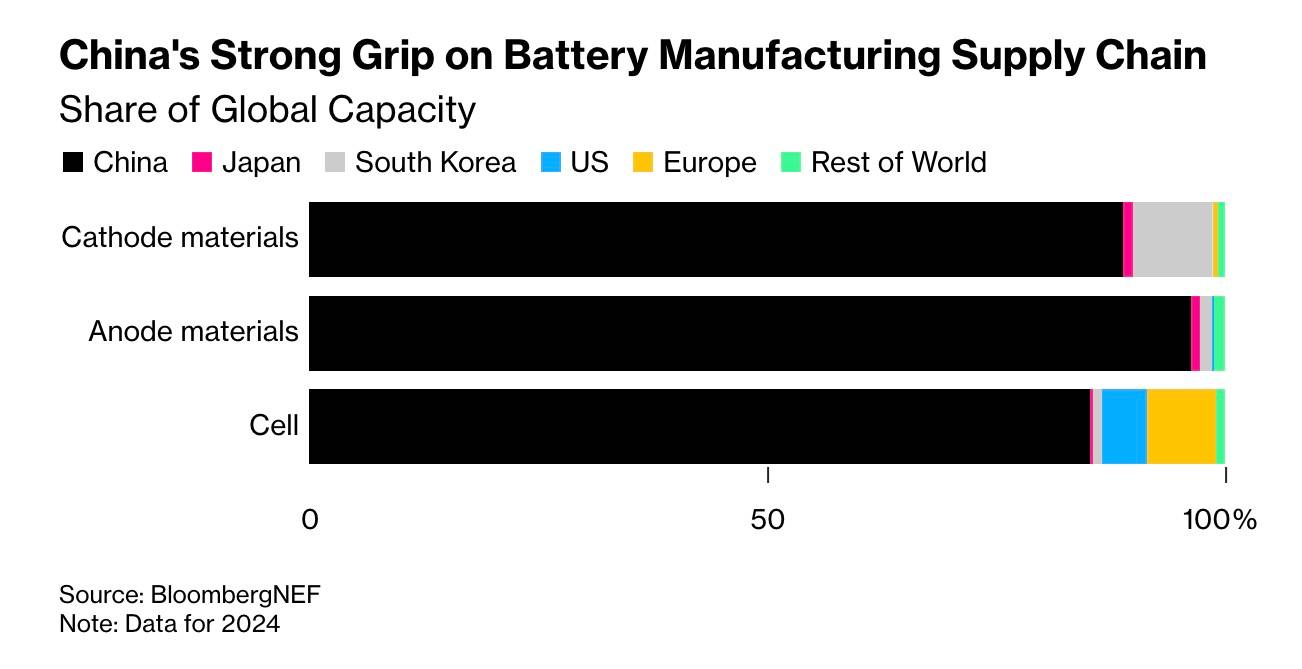
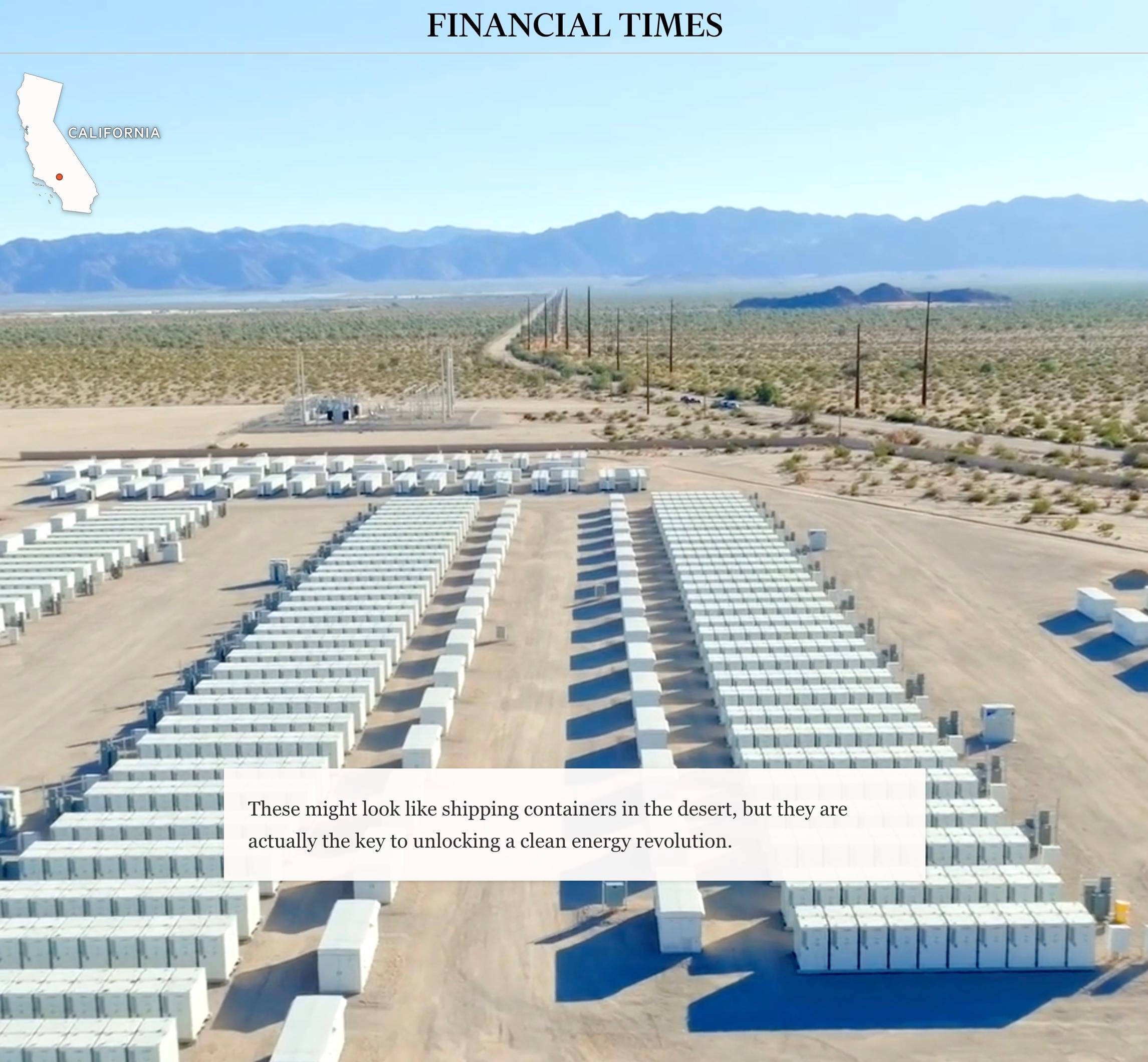
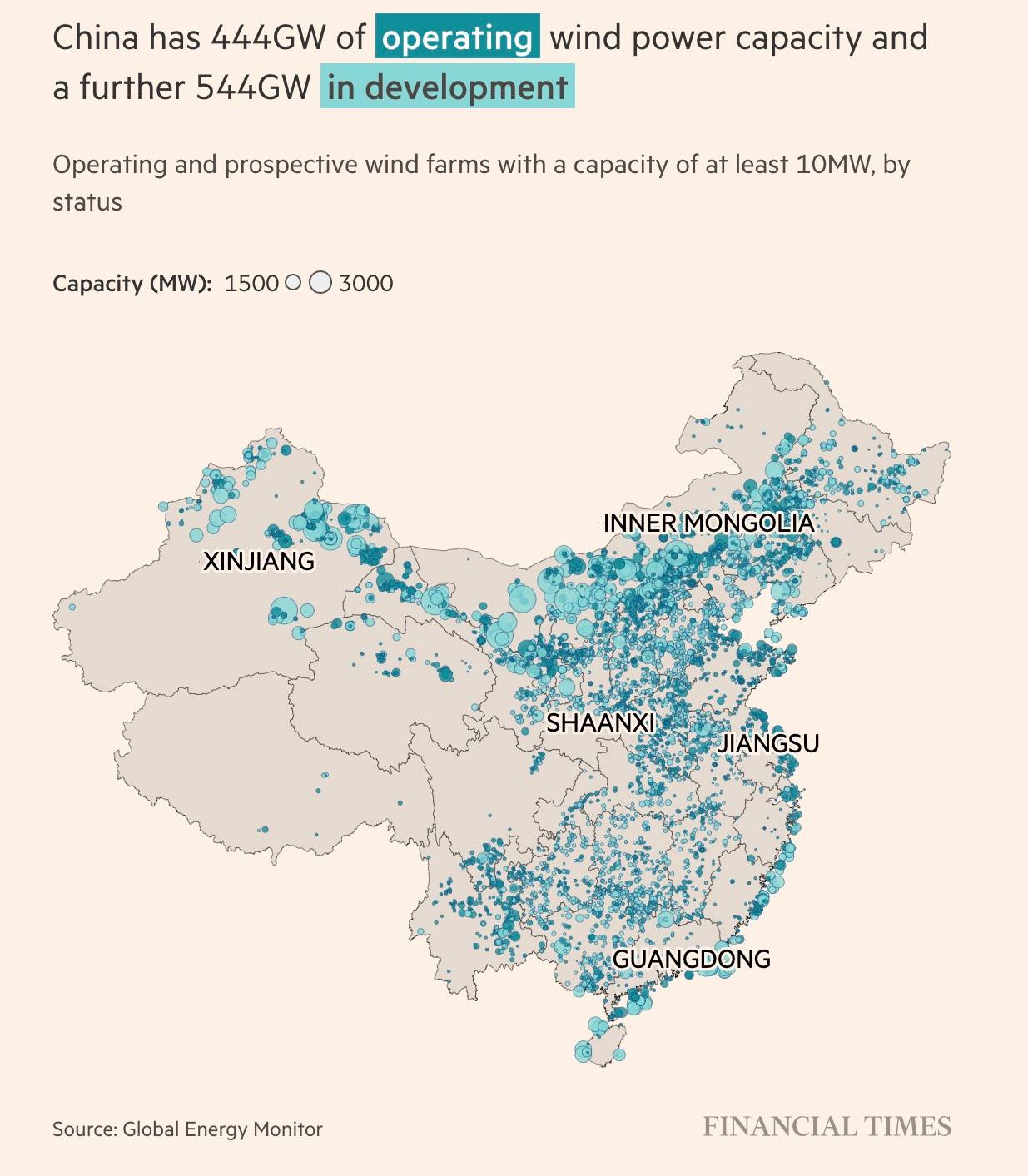
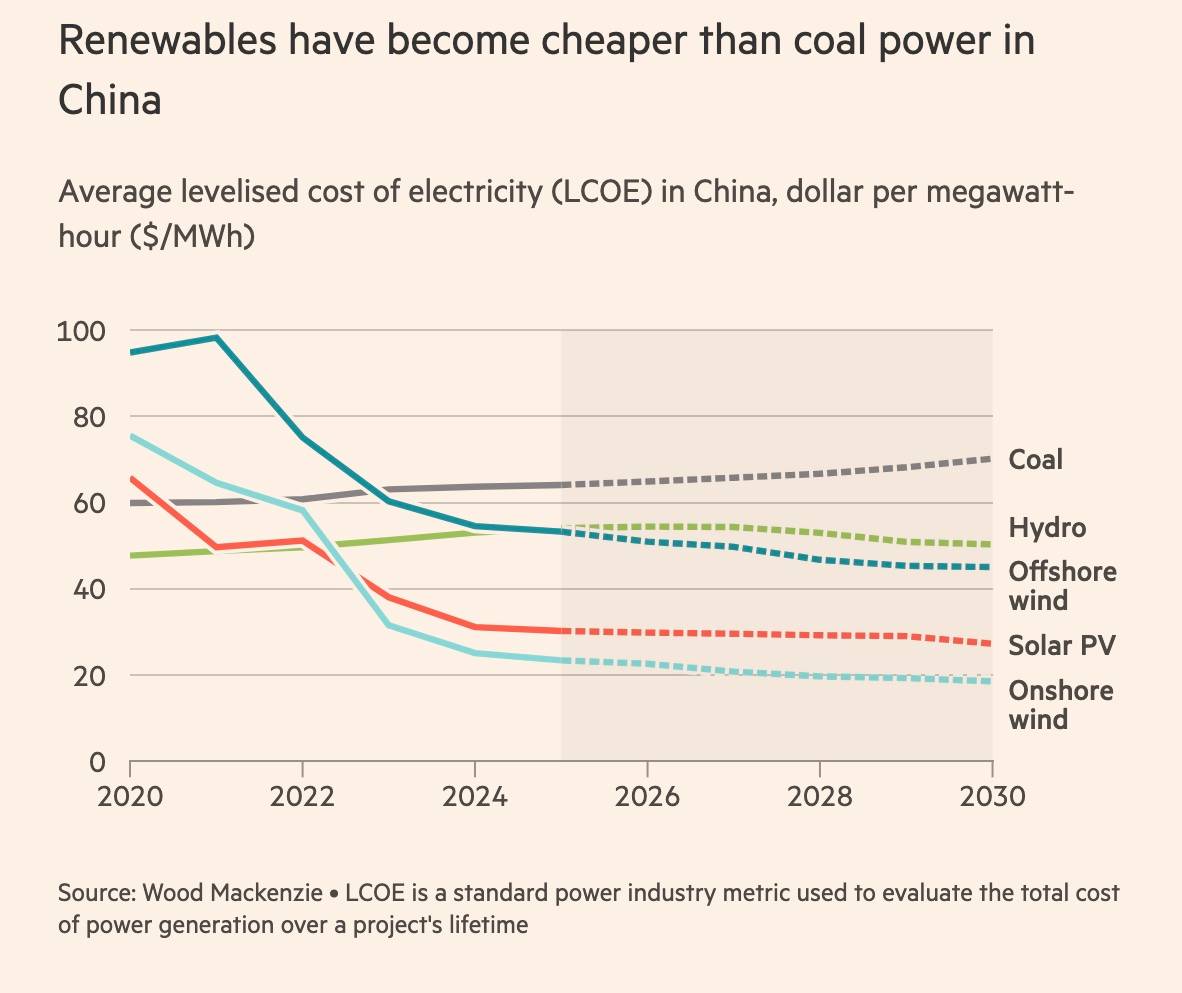
SDG 7 — Affordable & Clean Energy: Window heat pumps in Boston public housing slash retrofitting costs while adding cooling for heat waves. Mega-batteries in California and elsewhere are smoothing renewables, cutting peak prices, and boosting grid reliability. Singapore greenlights 1 GW hydropower import from Sarawak and studies a 2 GW Peninsular link, advancing a 6 GW import target. JPMorgan warns US can’t meet AI-era demand without wind/solar; IEA cuts US renewables outlook on policy headwinds. China’s battery export controls expose US storage dependence; cost and supply-chain security now a policy trade-off.
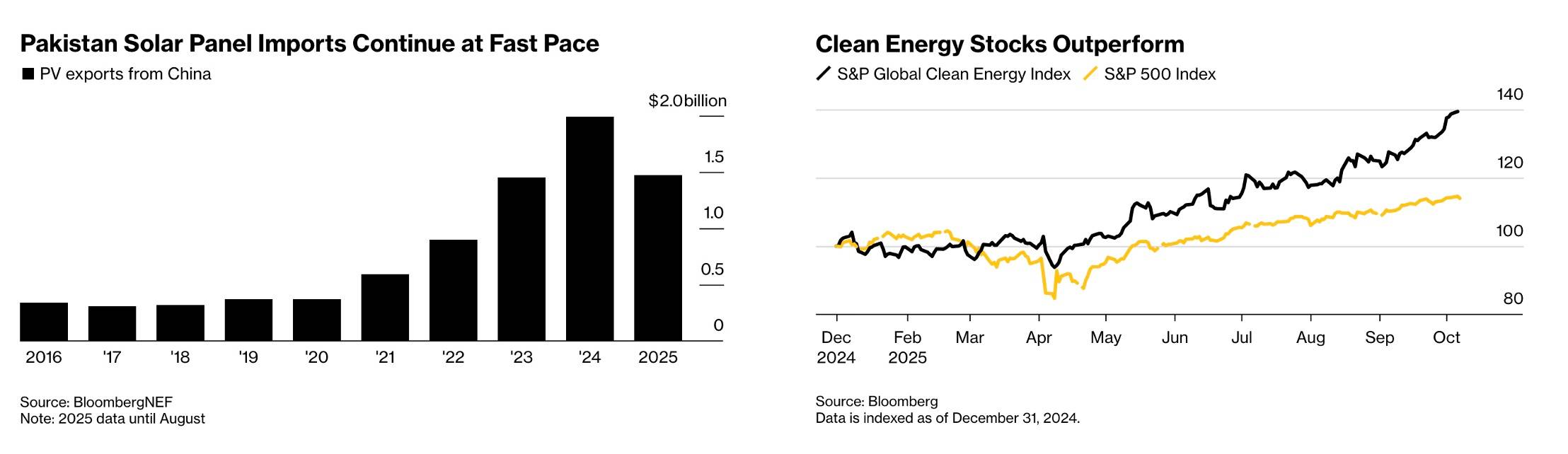
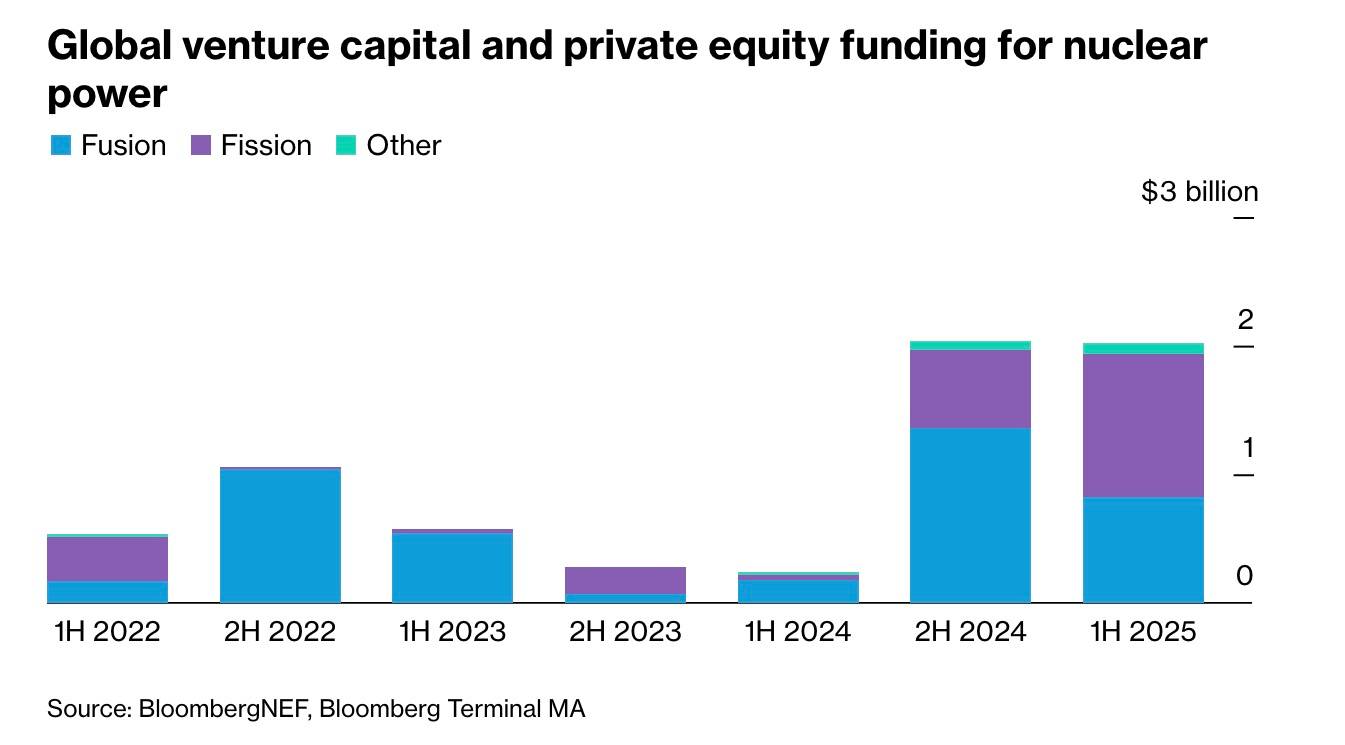
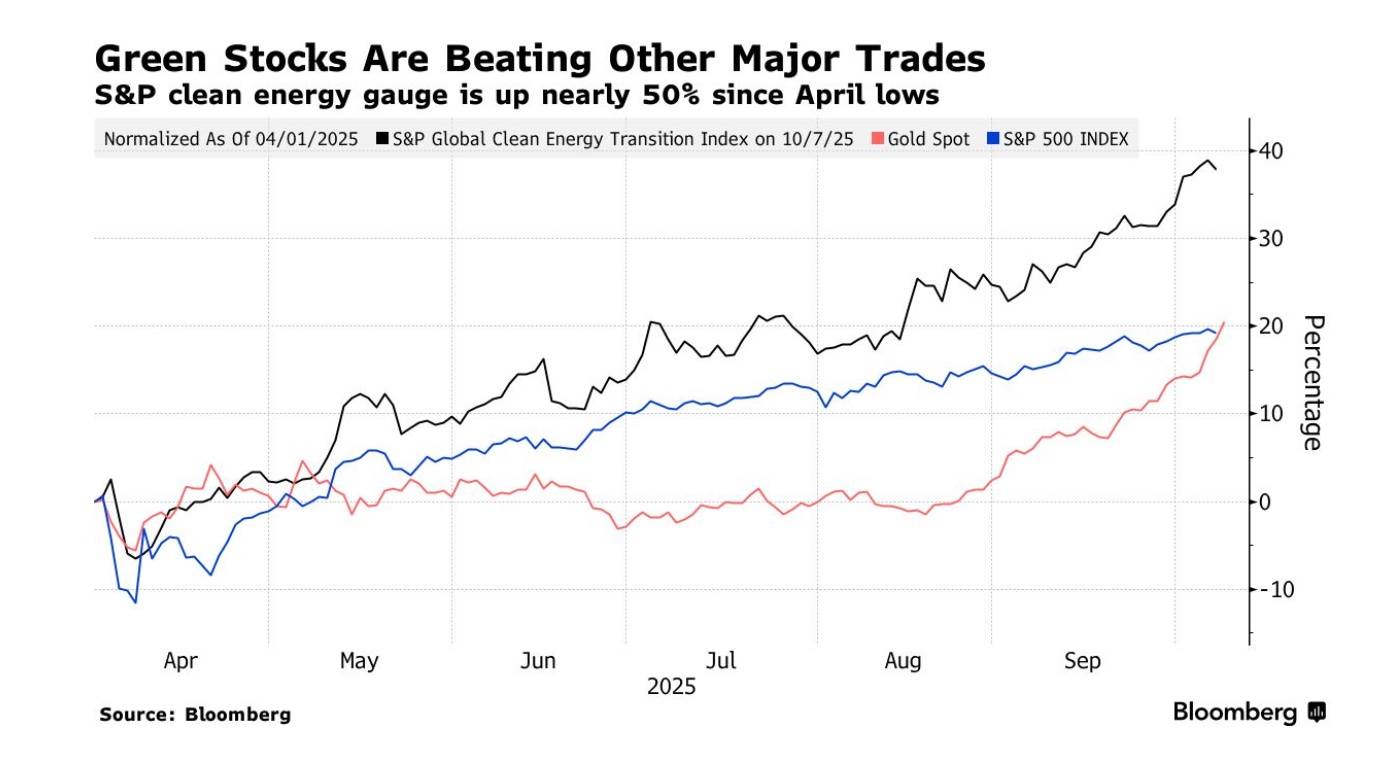
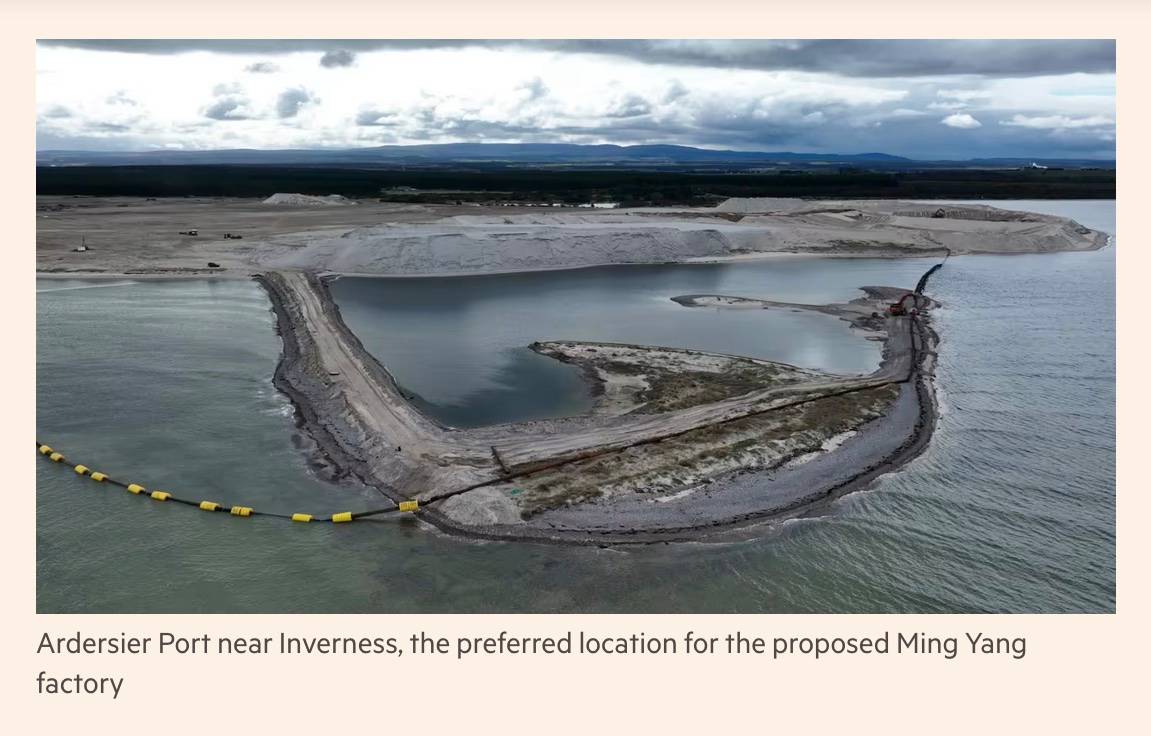
SDG 8 — Decent Work & Economic Growth: Green finance rebound: Brookfield’s $20bn transition fund; new Article 9 equity strategy; clean-energy index outperforms. Adaptation & resilience seen as a $1.3tn market by 2030; investors eye “extra-normal growth” in weather-risk solutions. Industrial churn: Vestas pauses Poland blades amid weak EU demand; Ming Yang’s £1.5bn Scottish factory could add 1,500 jobs if cleared.
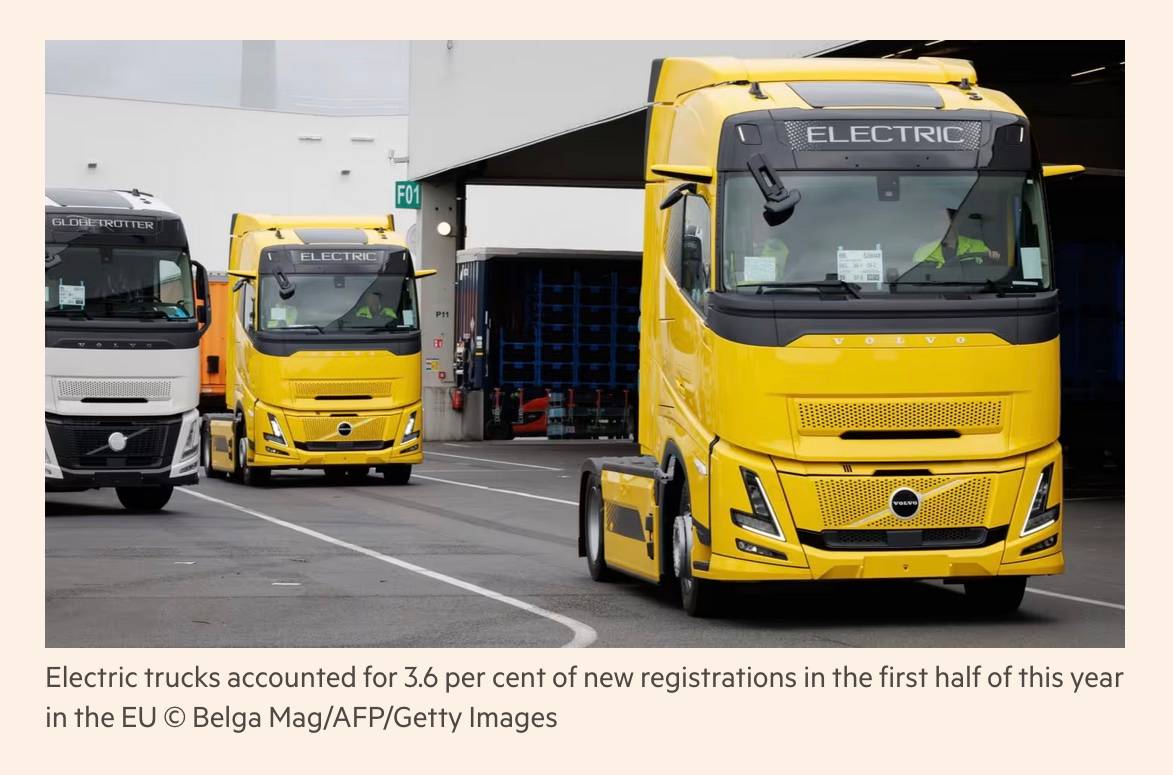
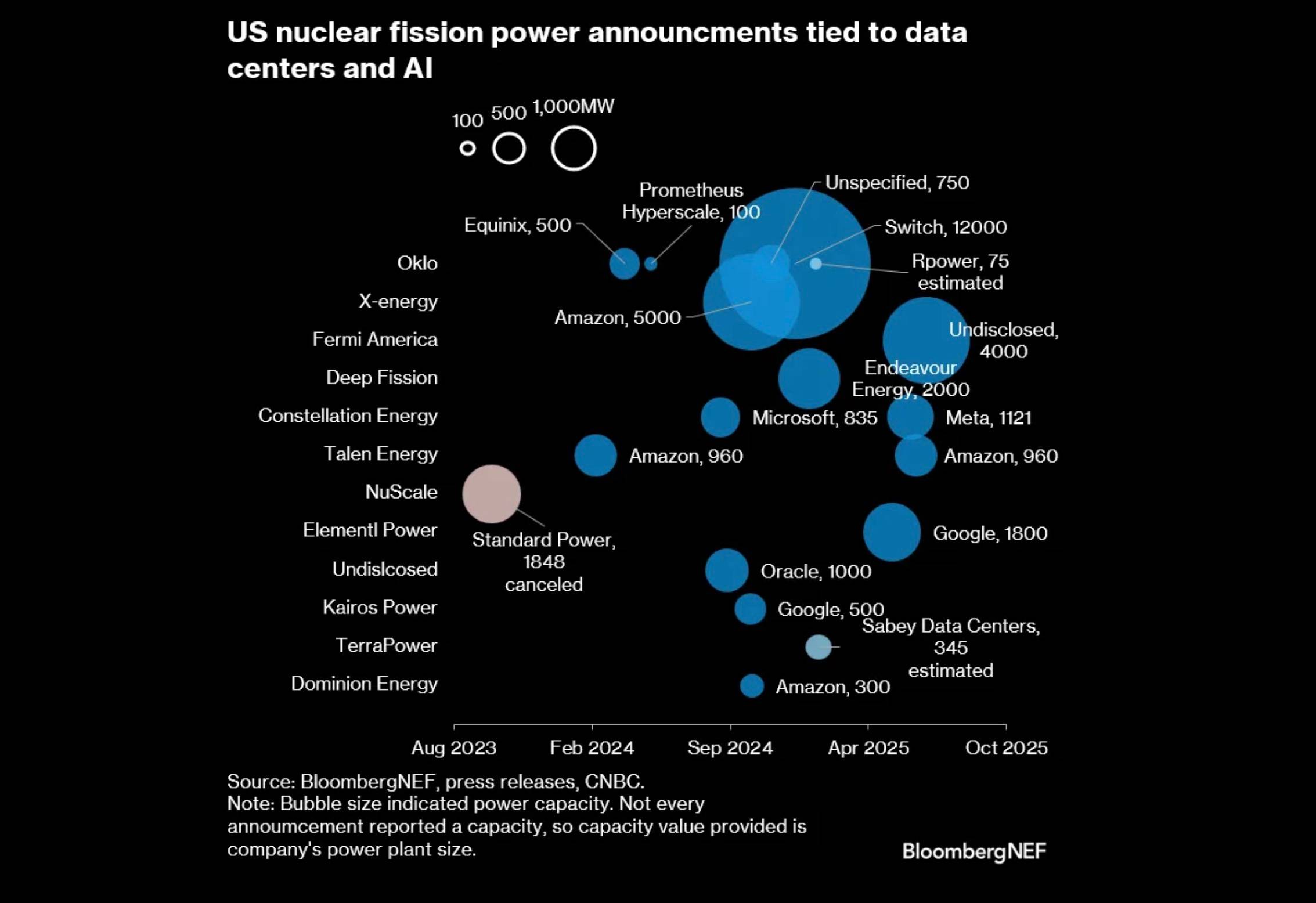
SDG 9 — Industry, Innovation & Infrastructure: Radiant to mass-produce factory-built micro-reactors by 2028 at Oak Ridge; portable nuclear approaches industrial piloting. EU e-truck push: tech is ready but charging/grid lag; task force launched—without it, China’s scale edge widens. US–Finland pact for 11 icebreakers grows polar infrastructure/shipbuilding capacity. Cross-border interconnectors and long-duration storage highlighted as system-cost reducers in Europe.
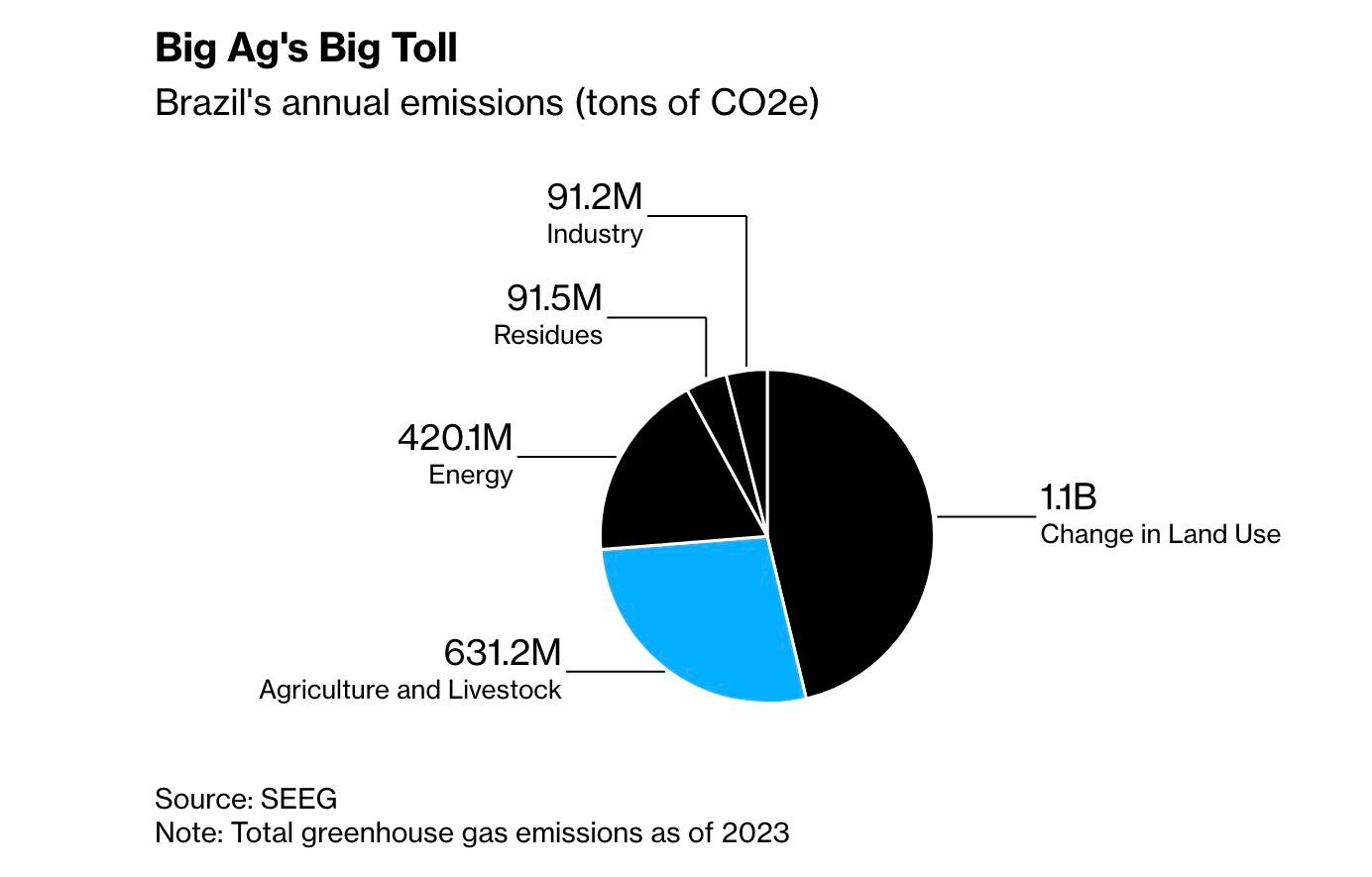
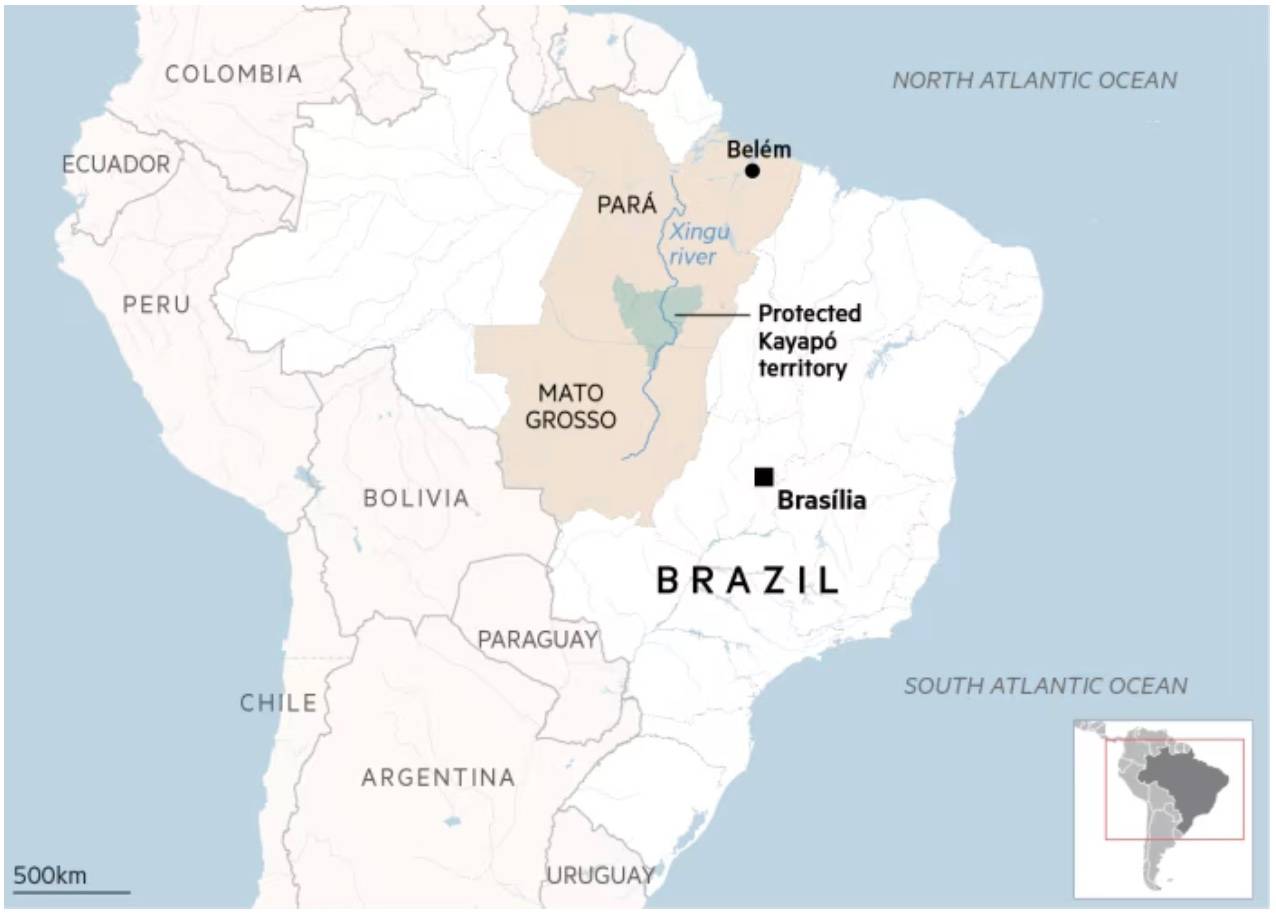
SDG 10 — Reduced Inequalities: Indigenous rights & representation: Chief Raoni mobilizes global support; Brazil’s farm sector PR push meets NGO scrutiny over inequality/deforestation burdens on forest peoples. US FEMA pullbacks and NOAA cuts hit rural/low-income areas hardest; EU moves to cushion ETS2 impacts for vulnerable households.
SDG 11 — Sustainable Cities & Communities: Disaster economy now persistent; cat bonds surge, shifting some risk off municipal balance sheets (but investor retreat is a tail risk). Public-housing heat pumps deliver comfort, lower bills, and emissions—rapid, non-disruptive urban retrofits.
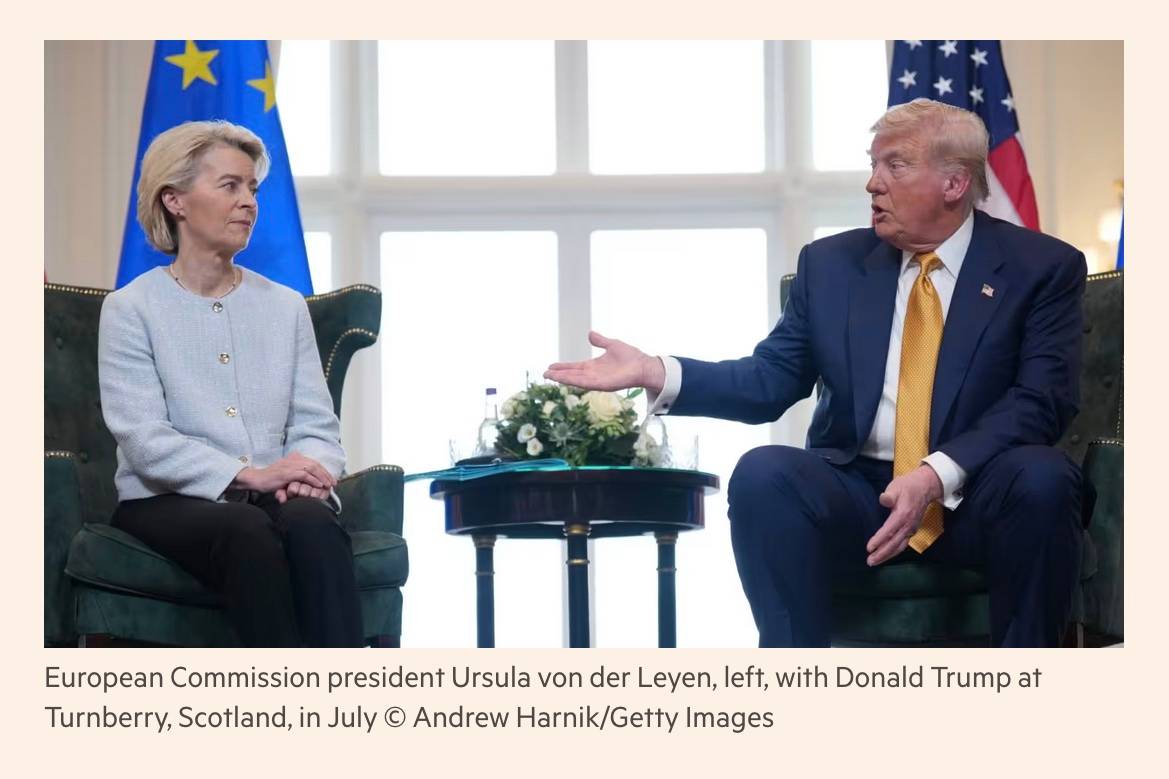
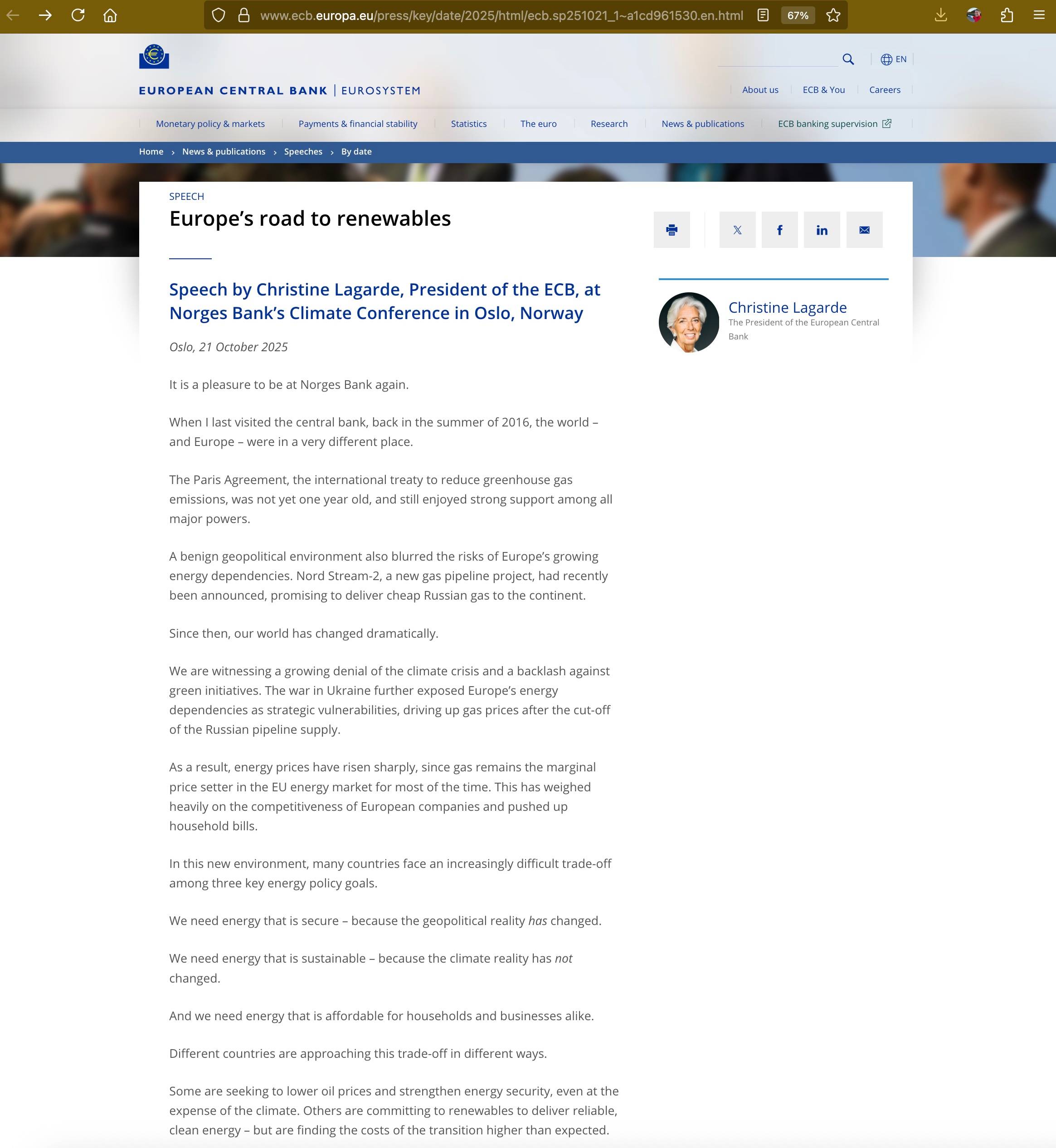
SDG 12 — Responsible Consumption & Production: Plastics “disposability” business model persists; author urges reuse systems, packaging standardization, and regulation to overcome competitive traps. Carbon Measures coalition (Exxon, BASF, GIP, Santander, etc.) proposes ledger-style product-level accounting to cut double counting and steer buyers to lower-CI steel, fuels, etc. US pushes EU to dilute CSRD/CSDDD and climate plans—tension between trade facilitation and responsible supply chains.
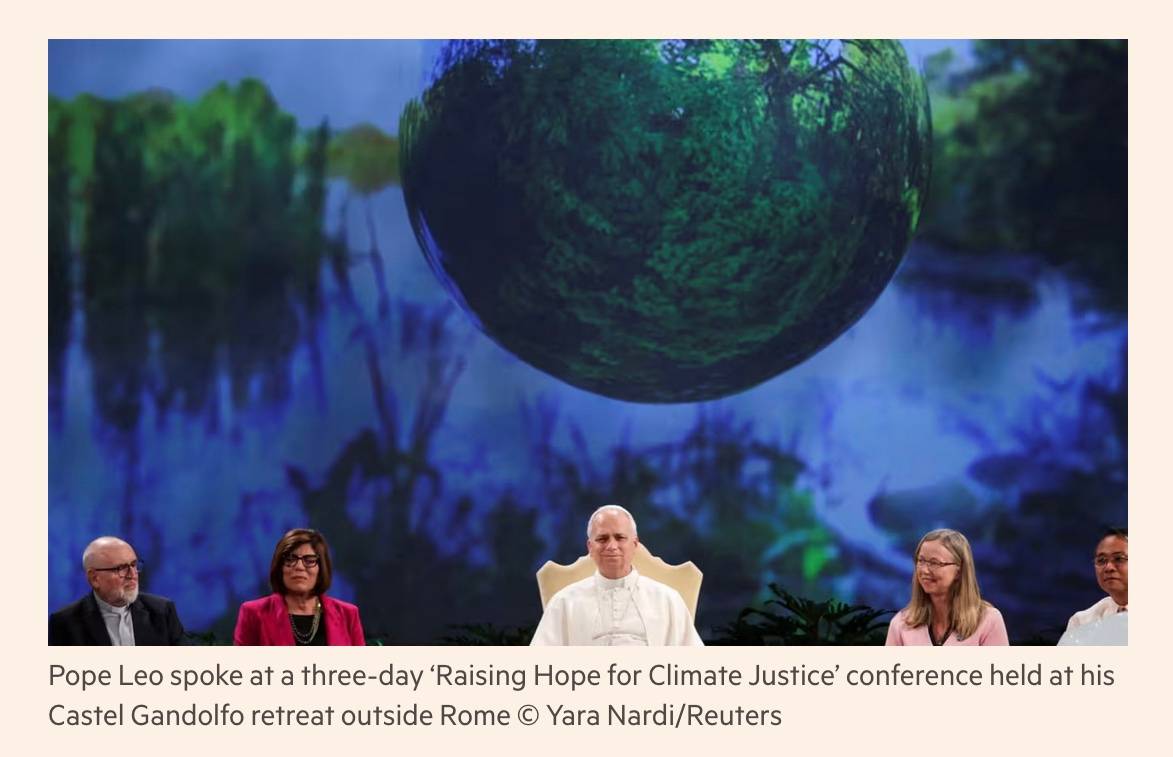
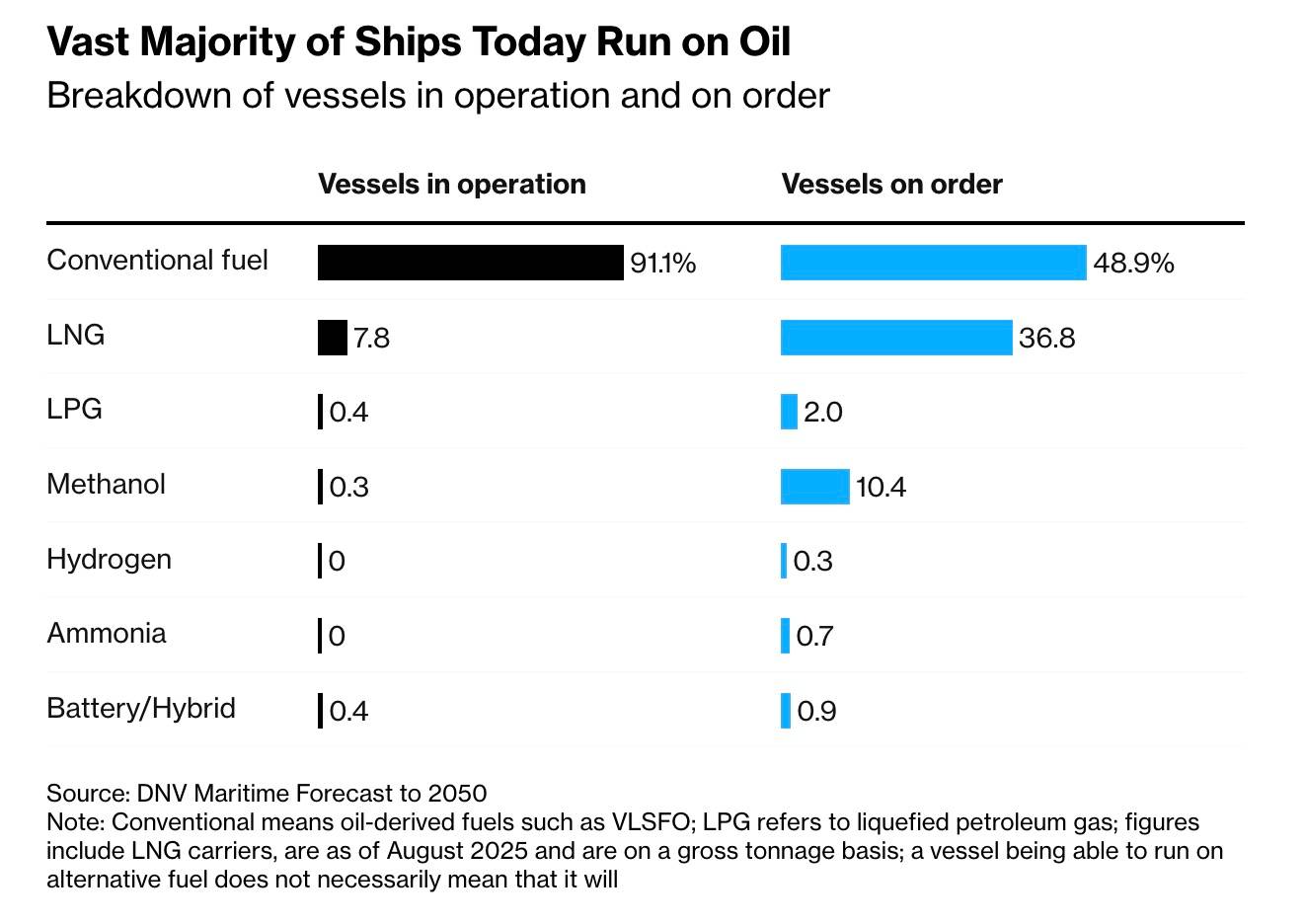
SDG 13 — Climate Action: IMO carbon charge for shipping faces US-led pushback and delay—multilateral climate diplomacy strained. EU to bolster ETS2 cost-controls and consider industrial removals post-2030; leaders prioritize competitiveness while debating 2040 −90% target. Pope Leo calls for action and public pressure; IMF urged to keep climate risk work despite political heat. US federal rollbacks (NOAA/website/data cuts) materially impair hazard forecasting; investors and municipalities face higher transition/physical risks.
SDG 14 — Life Below Water: UK’s faster water-pollution enforcement targets sewage spills. OceanX Indian Ocean mission maps seamount biodiversity amid rising deep-sea mining interest; UN high-seas treaty moves toward MPAs. Satellite cuts (ocean color) and Argo float funding risks would weaken marine monitoring critical to fisheries & HAB warnings.
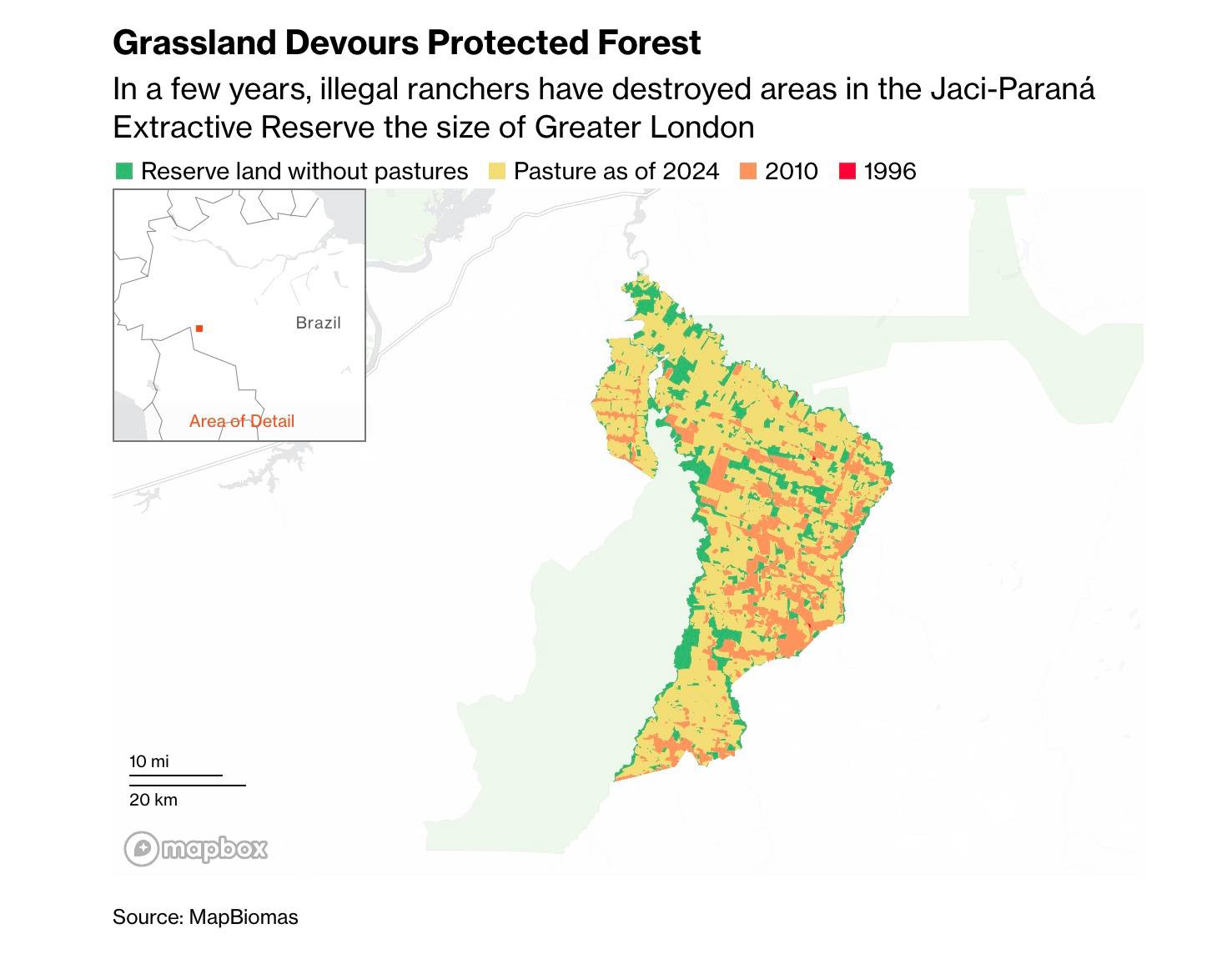
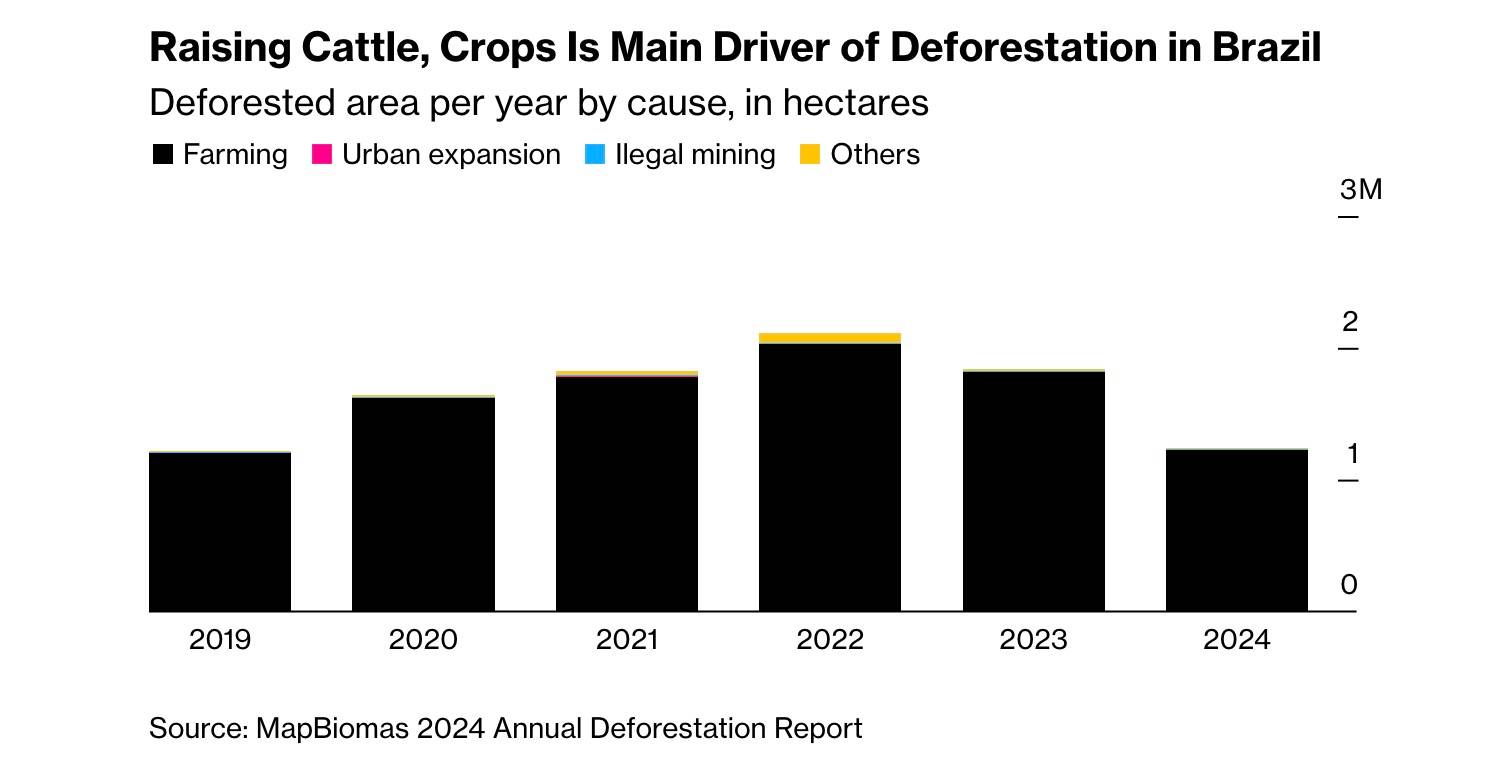
SDG 15 — Life on Land: Brazil’s TFFF could mobilize $125bn for tropical forests; parallel Carbon Markets Coalition aims to align standards. EUDR stays on track with six-month leeway; smallholder simplifications reduce compliance friction while maintaining goals. Rondônia reversal of a JBS fine weakens enforcement against cattle-linked deforestation; lawsuits continue. Kenya high court definitively blocks the Lamu coal plant near a UNESCO site—precedent for environmental due process.
SDG 16 — Peace, Justice & Strong Institutions: Policy whiplash: EU trims ESG directives’ scope; US pressures Brussels to roll back due diligence—tests rule-of-law and accountability frameworks. Judicial checks: Kenya’s coal ruling and EU’s EUDR calibration show institutions mediating development vs. protection. Data governance & transparency threatened by US climate-data removals; parallel civic archiving efforts restore access.
SDG 17 — Partnerships for the Goals: World Bank eyed as trustee/host for Brazil’s TFFF; GEAPP and donors seed off-grid funds (DRC). Brazil-Japan-Italy (-India) float 4X Sustainable Fuels pledge to 2035; IEA sees $1.5tn investment potential. EU to work with US states, cities, firms on climate despite federal stance; Singapore-Malaysia power links; US–Finland icebreaker MoU; Carbon Measures multi-industry coalition.
_ _ _ _ _ _ _ _ _
For Financial Times’ Climate Capital news articles = visit: https://www.ft.com/climate-capital and for Bloomberg Green news articles = visit https://www.bloomberg.com/green. A few conversation-starting charts and news-photos:



- Questions? Would you like to schedule a workshop with Youth4Planet’s Climate Action Tiger and team? Contact: christian@youth4planet.org