The overarching reflection is that in early 2026, as depicted by the Financial Times, the world is at a precipice. The forces of fragmentation, delay, and rollback are potent and active. Yet, simultaneously, the forces of regulation, finance, technology, and moral clarity are also hardening and evolving. The “continuous moral, political and economic choice space” (15th January 2026 Q&A) has never been more starkly defined. The outcome is not predestined. The outcome will be decided in the political trenches, boardrooms, and courts documented in these very articles.
For the Youth4Planet audience, this collection is not a catalogue of despair but a diagnostic toolkit. It provides:
A Call for Integrated Advocacy: The consistently low SDG 5 scores are a direct challenge. Effective climate action must be framed as inseparable from justice, equality, and institutional integrity.
High-Resolution Realism: It strips away slogans to reveal the multi-front battle: political, financial, industrial, and narrative.
Systems Thinking: It connects dots between CEO silence, insurance premiums, EU trade policy, and deforestation.
A Vocabulary of Agency: Concepts like “simultaneous outcomes,” “positive tipping points,” “overshoot management,” and “energy amputation” provide sophisticated ways to articulate the challenge beyond “save the planet.”
Climate Action Tiger’s ratings consistently highlight a critical weakness across nearly all reporting: the near-total neglect of gender equality (SDG 5). Scores of 0, 1, 2, or 3 are the norm. This is a stark indictment of how mainstream financial journalism, even at its best, often fails to integrate a gendered analysis of climate impacts, adaptation, or leadership. It reflects a systemic blind spot in the discourse.
Further Reading :
- 19th January 2026 – Financial Times Business Columnist Pilita Clark reviews new environment books. The essay situates floods, behavioural misdirection and ecological recovery within a single moral frame . . . reminding readers that climate collapse and climate hope are not opposites, but simultaneous outcomes shaped by political and economic choices. https://www.ft.com/content/bbff7c0a-0110-4531-8987-cedc7e9d65d6
- Overall C.A.T. usefulness: 9/10 ★★★★★★★★★☆ Strengths: Elegantly weaves climate risk, systems failure and cautious hope through literature, making complex environmental realities emotionally intelligible without diluting scientific seriousness. Weaknesses: As a review essay, it diagnoses and contextualises more than it prescribes, leaving policy pathways implicit rather than explicit. Opportunities: Offers CAT a rare narrative bridge between disaster realism and non-naïve hope . . . reinforcing that systemic change, not individual guilt, is the decisive lever. Threats: Readers inclined toward optimism bias may over-emphasise nature’s resilience while underestimating the narrowing window for prevention rather than retreat.
- SDG 1 No Poverty: 6/10 ★★★★★★☆☆☆☆
- SDG 2 Zero Hunger: 6/10 ★★★★★★☆☆☆☆
- SDG 3 Good Health and Well-Being: 7/10 ★★★★★★★☆☆☆
- SDG 4 Quality Education: 9/10 ★★★★★★★★★☆
- SDG 5 Gender Equality: 3/10 ★★★☆☆☆☆☆☆☆
- SDG 6 Clean Water and Sanitation: 9/10 ★★★★★★★★★☆
- SDG 7 Affordable and Clean Energy: 7/10 ★★★★★★★☆☆☆
- SDG 8 Decent Work and Economic Growth: 6/10 ★★★★★★☆☆☆☆
- SDG 9 Industry, Innovation and Infrastructure: 6/10 ★★★★★★☆☆☆☆
- SDG 10 Reduced Inequalities: 7/10 ★★★★★★★☆☆☆
- SDG 11 Sustainable Cities and Communities: 9/10 ★★★★★★★★★☆
- SDG 12 Responsible Consumption and Production: 8/10 ★★★★★★★★☆☆
- SDG 13 Climate Action: 9/10 ★★★★★★★★★☆
- SDG 14 Life Below Water: 7/10 ★★★★★★★☆☆☆
- SDG 15 Life on Land: 9/10 ★★★★★★★★★☆
- SDG 16 Peace, Justice and Strong Institutions: 6/10 ★★★★★★☆☆☆☆
- SDG 17 Partnerships for the Goals: 7/10 ★★★★★★★☆☆☆
- Overall C.A.T. usefulness: 9/10 ★★★★★★★★★☆ Strengths: Elegantly weaves climate risk, systems failure and cautious hope through literature, making complex environmental realities emotionally intelligible without diluting scientific seriousness. Weaknesses: As a review essay, it diagnoses and contextualises more than it prescribes, leaving policy pathways implicit rather than explicit. Opportunities: Offers CAT a rare narrative bridge between disaster realism and non-naïve hope . . . reinforcing that systemic change, not individual guilt, is the decisive lever. Threats: Readers inclined toward optimism bias may over-emphasise nature’s resilience while underestimating the narrowing window for prevention rather than retreat.
- 18th January 2026 – Financial Times Business Columnist Pilita Clark reports on the dark truth of CEO silence on Trump’s climate retreat. Failing to speak out about the US president’s ever more egregious actions is more dangerous than it appears. The column dissects the chilling effect of Donald Trump’s climate retreat on corporate speech, arguing that silence by powerful CEOs is not neutral but actively corrosive to global climate governance and democratic resilience. https://www.ft.com/content/3e483888-ad64-4e67-9745-b8a723c6652d
- Overall C.A.T. usefulness: 10/10 ★★★★★★★★★★ Strengths: A powerful governance and moral-economy critique that exposes how corporate silence amplifies political rollback, erodes democratic norms and weakens the institutional scaffolding needed for climate action. Weaknesses: Focuses on leadership failure more than on concrete pathways for collective business re-engagement under hostile political conditions. Opportunities: Gives C.A.T. a sharp accountability lens . . . reframing climate risk as inseparable from democratic health, rule of law and investor confidence in shared institutions. Threats: Normalising executive self-censorship risks accelerating climate delay while signalling that political intimidation can override science, markets and fiduciary responsibility.
- SDG 1 No Poverty: 6/10 ★★★★★★☆☆☆☆
- SDG 2 Zero Hunger: 5/10 ★★★★★☆☆☆☆☆
- SDG 3 Good Health and Well-Being: 7/10 ★★★★★★★☆☆☆
- SDG 4 Quality Education: 6/10 ★★★★★★☆☆☆☆
- SDG 5 Gender Equality: 3/10 ★★★☆☆☆☆☆☆☆
- SDG 6 Clean Water and Sanitation: 6/10 ★★★★★★☆☆☆☆
- SDG 7 Affordable and Clean Energy: 7/10 ★★★★★★★☆☆☆
- SDG 8 Decent Work and Economic Growth: 8/10 ★★★★★★★★☆☆
- SDG 9 Industry, Innovation and Infrastructure: 7/10 ★★★★★★★☆☆☆
- SDG 10 Reduced Inequalities: 7/10 ★★★★★★★☆☆☆
- SDG 11 Sustainable Cities and Communities: 7/10 ★★★★★★★☆☆☆
- SDG 12 Responsible Consumption and Production: 7/10 ★★★★★★★☆☆☆
- SDG 13 Climate Action: 10/10 ★★★★★★★★★★
- SDG 14 Life Below Water: 6/10 ★★★★★★☆☆☆☆
- SDG 15 Life on Land: 6/10 ★★★★★★☆☆☆☆
- SDG 16 Peace, Justice and Strong Institutions: 10/10 ★★★★★★★★★★
- SDG 17 Partnerships for the Goals: 9/10 ★★★★★★★★★☆
- Overall C.A.T. usefulness: 10/10 ★★★★★★★★★★ Strengths: A powerful governance and moral-economy critique that exposes how corporate silence amplifies political rollback, erodes democratic norms and weakens the institutional scaffolding needed for climate action. Weaknesses: Focuses on leadership failure more than on concrete pathways for collective business re-engagement under hostile political conditions. Opportunities: Gives C.A.T. a sharp accountability lens . . . reframing climate risk as inseparable from democratic health, rule of law and investor confidence in shared institutions. Threats: Normalising executive self-censorship risks accelerating climate delay while signalling that political intimidation can override science, markets and fiduciary responsibility.
- 15th January 2026 – Financial Times Business Columnist Pilita Clark, and Climate Correspondent Attracta Mooney answered your questions below. The discussion is guided by Pilita Clark and Attracta Mooney, drawing on IPCC science, EU policy tools such as CBAM, and the political disruption caused by Donald Trump. Together, their answers reinforce a core C.A.T. insight: climate change is not a binary “too late / saved” question, but a continuous moral, political and economic choice space where outcomes remain profoundly shapeable. https://www.ft.com/content/3c6bdebe-9516-45a1-9e86-53c47c734e4c
- Overall C.A.T. usefulness: 10/10 ★★★★★★★★★★ Strengths: Exceptional synthesis of science, policy, economics and ethics, translating climate complexity into clear, human-scale answers without false optimism or fatalism. Weaknesses: As a Q&A format, it inevitably reflects the scope of reader questions rather than a fully structured analytical arc. Opportunities: Gives C.A.T. a rare, authoritative “sense-making” anchor . . . countering binary doom narratives while reinforcing that every fraction of a degree, every policy choice and every delay materially changes outcomes. Threats: The calm, evidence-based tone risks being drowned out in a media environment driven by outrage, denial or apathy.
- SDG 1 No Poverty: 7/10 ★★★★★★★☆☆☆
- SDG 2 Zero Hunger: 7/10 ★★★★★★★☆☆☆
- SDG 3 Good Health and Well-Being: 9/10 ★★★★★★★★★☆
- SDG 4 Quality Education: 9/10 ★★★★★★★★★☆
- SDG 5 Gender Equality: 3/10 ★★★☆☆☆☆☆☆☆
- SDG 6 Clean Water and Sanitation: 8/10 ★★★★★★★★☆☆
- SDG 7 Affordable and Clean Energy: 8/10 ★★★★★★★★☆☆
- SDG 8 Decent Work and Economic Growth: 8/10 ★★★★★★★★☆☆
- SDG 9 Industry, Innovation and Infrastructure: 8/10 ★★★★★★★★☆☆
- SDG 10 Reduced Inequalities: 8/10 ★★★★★★★★☆☆
- SDG 11 Sustainable Cities and Communities: 9/10 ★★★★★★★★★☆
- SDG 12 Responsible Consumption and Production: 8/10 ★★★★★★★★☆☆
- SDG 13 Climate Action: 10/10 ★★★★★★★★★★
- SDG 14 Life Below Water: 8/10 ★★★★★★★★☆☆
- SDG 15 Life on Land: 8/10 ★★★★★★★★☆☆
- SDG 16 Peace, Justice and Strong Institutions: 9/10 ★★★★★★★★★☆
- SDG 17 Partnerships for the Goals: 9/10 ★★★★★★★★★☆
- Overall C.A.T. usefulness: 10/10 ★★★★★★★★★★ Strengths: Exceptional synthesis of science, policy, economics and ethics, translating climate complexity into clear, human-scale answers without false optimism or fatalism. Weaknesses: As a Q&A format, it inevitably reflects the scope of reader questions rather than a fully structured analytical arc. Opportunities: Gives C.A.T. a rare, authoritative “sense-making” anchor . . . countering binary doom narratives while reinforcing that every fraction of a degree, every policy choice and every delay materially changes outcomes. Threats: The calm, evidence-based tone risks being drowned out in a media environment driven by outrage, denial or apathy.
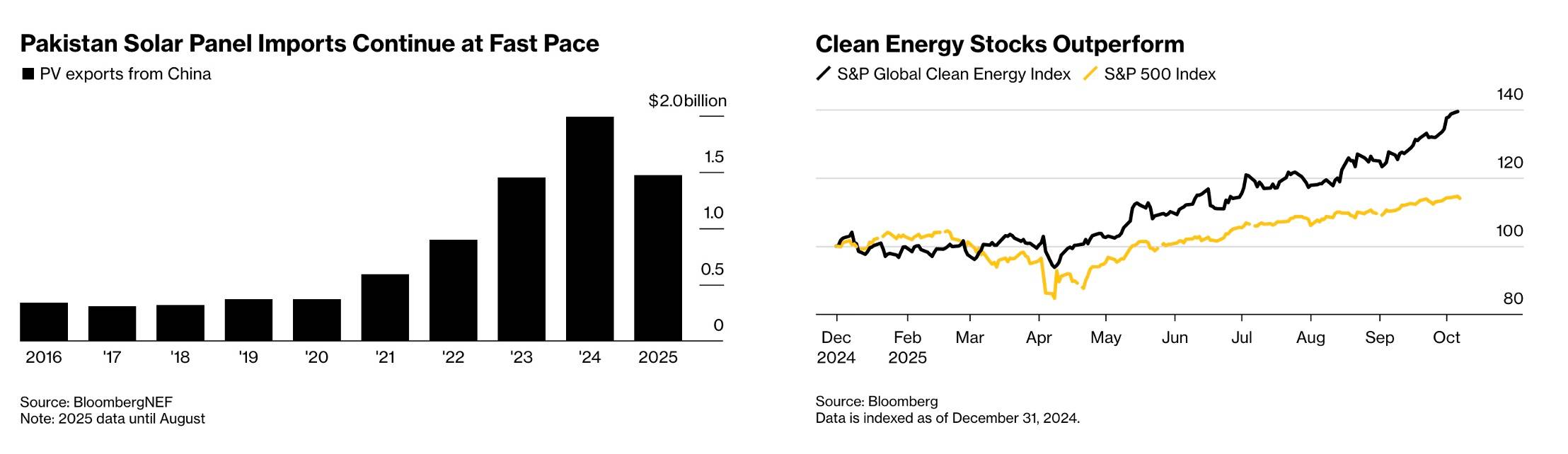
- 15th January 2026 – Financial Times Journalist Rachel Millard reports that more than 100 coal-fired power station generator units are set to start supplying electricity worldwide in 2026 as China continues to develop projects using the fossil fuel even as it installs huge amounts of wind and solar power. The analysis draws on project tracking by Global Energy Monitor and demand outlooks from the International Energy Agency, reinforcing that global climate trajectories remain tightly coupled to China’s coal, grid stability concerns and pace of storage deployment. https://www.ft.com/content/103a731c-91cc-45bc-8769-ee4cadf3ce40
- Overall C.A.T. usefulness: 9/10 ★★★★★★★★★☆ Strengths: Presents a sober, data-driven picture of the central paradox in global decarbonisation . . . explosive renewable growth coexisting with continued coal build-out, overwhelmingly concentrated in China. Weaknesses: The article is necessarily descriptive, offering limited insight into internal political economy drivers behind coal approvals or the risk of long-term carbon lock-in. Opportunities: Gives C.A.T. a critical realism anchor to dismantle simplistic narratives of linear “energy transition” and to explain why absolute emissions reduction hinges on China’s system-level choices. Threats: The framing of coal as flexible backup risks normalising new fossil infrastructure that could outlive climate targets if policy or market conditions shift.
- SDG 1 No Poverty: 5/10 ★★★★★☆☆☆☆☆
- SDG 2 Zero Hunger: 4/10 ★★★★☆☆☆☆☆☆
- SDG 3 Good Health and Well-Being: 6/10 ★★★★★★☆☆☆☆
- SDG 4 Quality Education: 4/10 ★★★★☆☆☆☆☆☆
- SDG 5 Gender Equality: 1/10 ★☆☆☆☆☆☆☆☆☆
- SDG 6 Clean Water and Sanitation: 5/10 ★★★★★☆☆☆☆☆
- SDG 7 Affordable and Clean Energy: 8/10 ★★★★★★★★☆☆
- SDG 8 Decent Work and Economic Growth: 7/10 ★★★★★★★☆☆☆
- SDG 9 Industry, Innovation and Infrastructure: 9/10 ★★★★★★★★★☆
- SDG 10 Reduced Inequalities: 5/10 ★★★★★☆☆☆☆☆
- SDG 11 Sustainable Cities and Communities: 6/10 ★★★★★★☆☆☆☆
- SDG 12 Responsible Consumption and Production: 7/10 ★★★★★★★☆☆☆
- SDG 13 Climate Action: 9/10 ★★★★★★★★★☆
- SDG 14 Life Below Water: 4/10 ★★★★☆☆☆☆☆☆
- SDG 15 Life on Land: 6/10 ★★★★★★☆☆☆☆
- SDG 16 Peace, Justice and Strong Institutions: 6/10 ★★★★★★☆☆☆☆
- SDG 17 Partnerships for the Goals: 7/10 ★★★★★★★☆☆☆
- Overall C.A.T. usefulness: 9/10 ★★★★★★★★★☆ Strengths: Presents a sober, data-driven picture of the central paradox in global decarbonisation . . . explosive renewable growth coexisting with continued coal build-out, overwhelmingly concentrated in China. Weaknesses: The article is necessarily descriptive, offering limited insight into internal political economy drivers behind coal approvals or the risk of long-term carbon lock-in. Opportunities: Gives C.A.T. a critical realism anchor to dismantle simplistic narratives of linear “energy transition” and to explain why absolute emissions reduction hinges on China’s system-level choices. Threats: The framing of coal as flexible backup risks normalising new fossil infrastructure that could outlive climate targets if policy or market conditions shift.
- 13th January 2026 – Financial Times Journalists Ian Bott and Clive Cookson report that European scientists will begin their first aerial investigation of “atmospheric rivers” this week as the concentrated streams of water vapour cross the Atlantic Ocean and dump heavy rainfall on the continent. Meteorologists in the US have monitored these “rivers in the sky” over the Pacific for 10 years because they cause floods on the west coast of North America but also help replenish water supplies. The programme is led by European research institutions including the European Centre for Medium-Range Weather Forecasts in collaboration with US scientists at NASA, underscoring that effective climate adaptation depends on cross-border data-sharing even as political support for climate science comes under pressure. https://www.ft.com/content/d651e070-1b67-43b3-8097-ab2999b98a81
- Overall C.A.T. usefulness: 8/10 ★★★★★★★★☆☆ Strengths: Clearly explains a complex climate–weather interaction and shows how international scientific collaboration can materially improve flood forecasting and disaster preparedness. Weaknesses: The article stays largely in the realm of observation and prediction, with limited linkage to downstream policy, land-use planning or resilience investment. Opportunities: Gives C.A.T. a strong science-forward example of adaptation intelligence . . . how better data can reduce loss of life, economic damage and insurance exposure as extremes intensify. Threats: Political retrenchment from climate research and international cooperation could undercut the very forecasting gains this programme is designed to deliver.
- SDG 1 No Poverty: 4/10 ★★★★☆☆☆☆☆☆
- SDG 2 Zero Hunger: 5/10 ★★★★★☆☆☆☆☆
- SDG 3 Good Health and Well-Being: 7/10 ★★★★★★★☆☆☆
- SDG 4 Quality Education: 7/10 ★★★★★★★☆☆☆
- SDG 5 Gender Equality: 1/10 ★☆☆☆☆☆☆☆☆☆
- SDG 6 Clean Water and Sanitation: 7/10 ★★★★★★★☆☆☆
- SDG 7 Affordable and Clean Energy: 2/10 ★★☆☆☆☆☆☆☆☆
- SDG 8 Decent Work and Economic Growth: 4/10 ★★★★☆☆☆☆☆☆
- SDG 9 Industry, Innovation and Infrastructure: 7/10 ★★★★★★★☆☆☆
- SDG 10 Reduced Inequalities: 4/10 ★★★★☆☆☆☆☆☆
- SDG 11 Sustainable Cities and Communities: 8/10 ★★★★★★★★☆☆
- SDG 12 Responsible Consumption and Production: 3/10 ★★★☆☆☆☆☆☆☆
- SDG 13 Climate Action: 8/10 ★★★★★★★★☆☆
- SDG 14 Life Below Water: 6/10 ★★★★★★☆☆☆☆
- SDG 15 Life on Land: 6/10 ★★★★★★☆☆☆☆
- SDG 16 Peace, Justice and Strong Institutions: 8/10 ★★★★★★★★☆☆
- SDG 17 Partnerships for the Goals: 9/10 ★★★★★★★★★☆
- Overall C.A.T. usefulness: 8/10 ★★★★★★★★☆☆ Strengths: Clearly explains a complex climate–weather interaction and shows how international scientific collaboration can materially improve flood forecasting and disaster preparedness. Weaknesses: The article stays largely in the realm of observation and prediction, with limited linkage to downstream policy, land-use planning or resilience investment. Opportunities: Gives C.A.T. a strong science-forward example of adaptation intelligence . . . how better data can reduce loss of life, economic damage and insurance exposure as extremes intensify. Threats: Political retrenchment from climate research and international cooperation could undercut the very forecasting gains this programme is designed to deliver.
- 12th January 2026 – Financial Times Journalists Alice Hancock and Rachel Millard report that Henrik Andersen, chief executive of Vestas, Europe’s largest wind turbine maker, and president of industry body WindEurope, said uncertainty in offshore wind markets could push up the cost of capital, as investors price in greater risks. The warning comes from industry leaders including Vestas and developers such as Ørsted and Equinor, reacting to lease suspensions ordered under Donald Trump. The episode underscores how policy shocks in one major market can destabilise investor confidence across regions, even as the European Commission seeks to accelerate wind deployment at home. https://www.ft.com/content/2fbba1aa-5cc1-4a44-a74b-46d206f60000
- Overall C.A.T. usefulness: 9/10 ★★★★★★★★★☆ Strengths: Sharpens the causal link between political intervention and capital costs, showing how US policy volatility can ripple through global clean-energy investment decisions. Weaknesses: Focuses heavily on offshore wind and investor sentiment, with less attention to downstream impacts on consumers or alternative renewables. Opportunities: Gives CAT a compelling finance-and-governance lens to explain how climate rollbacks function as global risk multipliers rather than isolated national choices. Threats: Persistent policy whiplash risks locking in higher cost-of-capital assumptions that slow deployment even where political support remains strong.
- SDG 1 No Poverty: 4/10 ★★★★☆☆☆☆☆☆
- SDG 2 Zero Hunger: 2/10 ★★☆☆☆☆☆☆☆☆
- SDG 3 Good Health and Well-Being: 4/10 ★★★★☆☆☆☆☆☆
- SDG 4 Quality Education: 3/10 ★★★☆☆☆☆☆☆☆
- SDG 5 Gender Equality: 1/10 ★☆☆☆☆☆☆☆☆☆
- SDG 6 Clean Water and Sanitation: 2/10 ★★☆☆☆☆☆☆☆☆
- SDG 7 Affordable and Clean Energy: 9/10 ★★★★★★★★★☆
- SDG 8 Decent Work and Economic Growth: 8/10 ★★★★★★★★☆☆
- SDG 9 Industry, Innovation and Infrastructure: 9/10 ★★★★★★★★★☆
- SDG 10 Reduced Inequalities: 4/10 ★★★★☆☆☆☆☆☆
- SDG 11 Sustainable Cities and Communities: 6/10 ★★★★★★☆☆☆☆
- SDG 12 Responsible Consumption and Production: 5/10 ★★★★★☆☆☆☆☆
- SDG 13 Climate Action: 9/10 ★★★★★★★★★☆
- SDG 14 Life Below Water: 5/10 ★★★★★☆☆☆☆☆
- SDG 15 Life on Land: 4/10 ★★★★☆☆☆☆☆☆
- SDG 16 Peace, Justice and Strong Institutions: 8/10 ★★★★★★★★☆☆
- SDG 17 Partnerships for the Goals: 8/10 ★★★★★★★★☆☆
- Overall C.A.T. usefulness: 9/10 ★★★★★★★★★☆ Strengths: Sharpens the causal link between political intervention and capital costs, showing how US policy volatility can ripple through global clean-energy investment decisions. Weaknesses: Focuses heavily on offshore wind and investor sentiment, with less attention to downstream impacts on consumers or alternative renewables. Opportunities: Gives CAT a compelling finance-and-governance lens to explain how climate rollbacks function as global risk multipliers rather than isolated national choices. Threats: Persistent policy whiplash risks locking in higher cost-of-capital assumptions that slow deployment even where political support remains strong.
- 11th January 2026 – Financial Times Journalist Richard Milne reports that the world’s second-largest container shipping line is looking at boosting the use of ethanol as a green fuel for its vessels, which could reduce its dependence on China and soften Donald Trump’s resistance to decarbonisation. The strategy is being tested by A.P. Møller-Maersk as a way to diversify green-fuel supply away from China and potentially soften political resistance under Donald Trump, while breaking deadlock at the International Maritime Organization over shipping decarbonisation. https://www.ft.com/content/5fe10686-7c46-4a93-8372-7c1356659f54
- Overall C.A.T. usefulness: 8/10 ★★★★★★★★☆☆ Strengths: Shows a pragmatic, geopolitically aware decarbonisation pathway in a hard-to-abate sector, linking fuel choice to supply-chain resilience and political feasibility. Weaknesses: Leaves open questions on lifecycle emissions, land-use impacts and certification standards for ethanol at scale. Opportunities: Gives CAT a concrete example of how diversifying clean-fuel supply can unlock stalled sectoral agreements and broaden political buy-in beyond China-centric solutions. Threats: If sustainability criteria are weak, ethanol could repeat biofuel mistakes of the past and undermine credibility of shipping decarbonisation.
- SDG 1 No Poverty: 4/10 ★★★★☆☆☆☆☆☆
- SDG 2 Zero Hunger: 5/10 ★★★★★☆☆☆☆☆
- SDG 3 Good Health and Well-Being: 4/10 ★★★★☆☆☆☆☆☆
- SDG 4 Quality Education: 3/10 ★★★☆☆☆☆☆☆☆
- SDG 5 Gender Equality: 1/10 ★☆☆☆☆☆☆☆☆☆
- SDG 6 Clean Water and Sanitation: 3/10 ★★★☆☆☆☆☆☆☆
- SDG 7 Affordable and Clean Energy: 7/10 ★★★★★★★☆☆☆
- SDG 8 Decent Work and Economic Growth: 7/10 ★★★★★★★☆☆☆
- SDG 9 Industry, Innovation and Infrastructure: 8/10 ★★★★★★★★☆☆
- SDG 10 Reduced Inequalities: 4/10 ★★★★☆☆☆☆☆☆
- SDG 11 Sustainable Cities and Communities: 3/10 ★★★☆☆☆☆☆☆☆
- SDG 12 Responsible Consumption and Production: 6/10 ★★★★★★☆☆☆☆
- SDG 13 Climate Action: 7/10 ★★★★★★★☆☆☆
- SDG 14 Life Below Water: 6/10 ★★★★★★☆☆☆☆
- SDG 15 Life on Land: 5/10 ★★★★★☆☆☆☆☆
- SDG 16 Peace, Justice and Strong Institutions: 6/10 ★★★★★★☆☆☆☆
- SDG 17 Partnerships for the Goals: 7/10 ★★★★★★★☆☆☆
- Overall C.A.T. usefulness: 8/10 ★★★★★★★★☆☆ Strengths: Shows a pragmatic, geopolitically aware decarbonisation pathway in a hard-to-abate sector, linking fuel choice to supply-chain resilience and political feasibility. Weaknesses: Leaves open questions on lifecycle emissions, land-use impacts and certification standards for ethanol at scale. Opportunities: Gives CAT a concrete example of how diversifying clean-fuel supply can unlock stalled sectoral agreements and broaden political buy-in beyond China-centric solutions. Threats: If sustainability criteria are weak, ethanol could repeat biofuel mistakes of the past and undermine credibility of shipping decarbonisation.
- 9th January 2026 – Financial Times Journalist Susannah Savage reports that A wave of commercial carbon storage projects will begin operating in Europe this year, marking the first time the continent has been able to transport and bury emissions at scale as the EU tightens carbon tax rules. The push is led by industrial players such as Yara, enabled by tighter incentives under the EU emissions trading system and the carbon border adjustment mechanism, as Europe tests whether CCS can complement . . . rather than postpone . . . deep decarbonisation. https://www.ft.com/content/ef69d051-9304-4af8-ab27-a9800810c53f
- Overall C.A.T. usefulness: 8/10 ★★★★★★★★☆☆ Strengths: Clearly documents Europe’s first credible move to scale carbon capture and storage under tightening carbon pricing, with concrete projects, timelines and cost drivers tied to EU policy. Weaknesses: The article highlights but does not resolve the core uncertainty over scalability, long-term effectiveness and opportunity cost versus faster fossil fuel phase-down. Opportunities: Gives CAT a nuanced case to examine CCS as a conditional tool . . . potentially legitimate for hard-to-abate sectors when paired with strict caps and declining fossil use. Threats: CCS risks becoming a politically convenient delay mechanism if it diverts capital, attention or legitimacy away from absolute emissions reduction.
- SDG 1 No Poverty: 4/10 ★★★★☆☆☆☆☆☆
- SDG 2 Zero Hunger: 2/10 ★★☆☆☆☆☆☆☆☆
- SDG 3 Good Health and Well-Being: 4/10 ★★★★☆☆☆☆☆☆
- SDG 4 Quality Education: 3/10 ★★★☆☆☆☆☆☆☆
- SDG 5 Gender Equality: 1/10 ★☆☆☆☆☆☆☆☆☆
- SDG 6 Clean Water and Sanitation: 4/10 ★★★★☆☆☆☆☆☆
- SDG 7 Affordable and Clean Energy: 5/10 ★★★★★☆☆☆☆☆
- SDG 8 Decent Work and Economic Growth: 7/10 ★★★★★★★☆☆☆
- SDG 9 Industry, Innovation and Infrastructure: 8/10 ★★★★★★★★☆☆
- SDG 10 Reduced Inequalities: 4/10 ★★★★☆☆☆☆☆☆
- SDG 11 Sustainable Cities and Communities: 4/10 ★★★★☆☆☆☆☆☆
- SDG 12 Responsible Consumption and Production: 6/10 ★★★★★★☆☆☆☆
- SDG 13 Climate Action: 7/10 ★★★★★★★☆☆☆
- SDG 14 Life Below Water: 5/10 ★★★★★☆☆☆☆☆
- SDG 15 Life on Land: 4/10 ★★★★☆☆☆☆☆☆
- SDG 16 Peace, Justice and Strong Institutions: 6/10 ★★★★★★☆☆☆☆
- SDG 17 Partnerships for the Goals: 6/10 ★★★★★★☆☆☆☆
- Overall C.A.T. usefulness: 8/10 ★★★★★★★★☆☆ Strengths: Clearly documents Europe’s first credible move to scale carbon capture and storage under tightening carbon pricing, with concrete projects, timelines and cost drivers tied to EU policy. Weaknesses: The article highlights but does not resolve the core uncertainty over scalability, long-term effectiveness and opportunity cost versus faster fossil fuel phase-down. Opportunities: Gives CAT a nuanced case to examine CCS as a conditional tool . . . potentially legitimate for hard-to-abate sectors when paired with strict caps and declining fossil use. Threats: CCS risks becoming a politically convenient delay mechanism if it diverts capital, attention or legitimacy away from absolute emissions reduction.
- 8th January 2026 – Financial Times Journalists Steven Bernard, Nic Fildes, and Attracta Mooney report that Australia has been hit by an intense heatwave as temperatures soar above 40°C, sparking warnings of “extreme fire danger” and risks to life. The country’s Bureau of Meteorology said more than half of Australia was in the grips of extreme heat, especially South Australia and Victoria, with temperatures forecast to reach up to 47°C in inland areas. The evacuations and fire risk unfold across Australia amid record heat, echoing scientific warnings that rising baseline temperatures are turning bushfire seasons into systemic threats to health, housing and urban safety. https://www.ft.com/content/847f0ef2-1069-4715-bd91-b75b4e790f72
- Overall C.A.T. usefulness: 8/10 ★★★★★★★★☆☆ Strengths: Provides a stark, real-time illustration of climate impacts translating directly into evacuation orders, infrastructure disruption and public health risk. Weaknesses: Operates mainly at the level of acute crisis reporting, with limited linkage to longer-term policy responsibility or prevention frameworks. Opportunities: Gives CAT a concrete adaptation and resilience anchor, reinforcing how heat, fire and urban exposure are converging risks rather than isolated events. Threats: Repeated emergency framing risks normalising extreme heat and fire as seasonal inevitabilities rather than consequences of policy delay.
- SDG 1 No Poverty: 5/10 ★★★★★☆☆☆☆☆
- SDG 2 Zero Hunger: 4/10 ★★★★☆☆☆☆☆☆
- SDG 3 Good Health and Well-Being: 9/10 ★★★★★★★★★☆
- SDG 4 Quality Education: 3/10 ★★★☆☆☆☆☆☆☆
- SDG 5 Gender Equality: 1/10 ★☆☆☆☆☆☆☆☆☆
- SDG 6 Clean Water and Sanitation: 6/10 ★★★★★★☆☆☆☆
- SDG 7 Affordable and Clean Energy: 2/10 ★★☆☆☆☆☆☆☆☆
- SDG 8 Decent Work and Economic Growth: 5/10 ★★★★★☆☆☆☆☆
- SDG 9 Industry, Innovation and Infrastructure: 5/10 ★★★★★☆☆☆☆☆
- SDG 10 Reduced Inequalities: 7/10 ★★★★★★★☆☆☆
- SDG 11 Sustainable Cities and Communities: 8/10 ★★★★★★★★☆☆
- SDG 12 Responsible Consumption and Production: 3/10 ★★★☆☆☆☆☆☆☆
- SDG 13 Climate Action: 9/10 ★★★★★★★★★☆
- SDG 14 Life Below Water: 3/10 ★★★☆☆☆☆☆☆☆
- SDG 15 Life on Land: 9/10 ★★★★★★★★★☆
- SDG 16 Peace, Justice and Strong Institutions: 6/10 ★★★★★★☆☆☆☆
- SDG 17 Partnerships for the Goals: 4/10 ★★★★☆☆☆☆☆☆
- Overall C.A.T. usefulness: 8/10 ★★★★★★★★☆☆ Strengths: Provides a stark, real-time illustration of climate impacts translating directly into evacuation orders, infrastructure disruption and public health risk. Weaknesses: Operates mainly at the level of acute crisis reporting, with limited linkage to longer-term policy responsibility or prevention frameworks. Opportunities: Gives CAT a concrete adaptation and resilience anchor, reinforcing how heat, fire and urban exposure are converging risks rather than isolated events. Threats: Repeated emergency framing risks normalising extreme heat and fire as seasonal inevitabilities rather than consequences of policy delay.
- 8th January 2026 – Financial Times Journalists Peter Foster and Attracta Mooney report that Donald Trump has decided to withdraw the US from the world’s most important climate treaty, as well as from dozens of other international organisations, as the president intensifies efforts to upend decades of global co-operation tackling rising temperatures. In a presidential memorandum issued on Wednesday evening, Trump said the US would withdraw from the UN Framework Convention on Climate Change, and 65 additional UN and other multilateral groups, mostly linked to the environment, renewable energy, development, education and the promotion of democracy and human rights . . . undermining the institutional backbone of global climate co-operation while shifting geopolitical gravity further toward China and the EU. https://www.ft.com/content/3f785a72-f5e7-4418-86e4-a02997b861f9
- Overall C.A.T. usefulness: 10/10 ★★★★★★★★★★ Strengths: Lays bare the systemic consequences of US withdrawal from core climate and multilateral institutions, clearly linking geopolitics, science denial and climate governance collapse. Weaknesses: Focuses on institutional fallout more than on subnational, corporate or civil-society counterweights that may partially offset federal retreat. Opportunities: Gives C.A.T. a definitive anchor for explaining why climate action failures are no longer just technical but institutional and geopolitical, while sharpening contrasts with EU and Global South momentum. Threats: Normalises a precedent where major emitters can abandon global rules without immediate penalty, accelerating fragmentation and delaying collective climate action.
- SDG 1 No Poverty: 6/10 ★★★★★★☆☆☆☆
- SDG 2 Zero Hunger: 6/10 ★★★★★★☆☆☆☆
- SDG 3 Good Health and Well-Being: 7/10 ★★★★★★★☆☆☆
- SDG 4 Quality Education: 6/10 ★★★★★★☆☆☆☆
- SDG 5 Gender Equality: 2/10 ★★☆☆☆☆☆☆☆☆
- SDG 6 Clean Water and Sanitation: 6/10 ★★★★★★☆☆☆☆
- SDG 7 Affordable and Clean Energy: 6/10 ★★★★★★☆☆☆☆
- SDG 8 Decent Work and Economic Growth: 7/10 ★★★★★★★☆☆☆
- SDG 9 Industry, Innovation and Infrastructure: 6/10 ★★★★★★☆☆☆☆
- SDG 10 Reduced Inequalities: 7/10 ★★★★★★★☆☆☆
- SDG 11 Sustainable Cities and Communities: 6/10 ★★★★★★☆☆☆☆
- SDG 12 Responsible Consumption and Production: 6/10 ★★★★★★☆☆☆☆
- SDG 13 Climate Action: 10/10 ★★★★★★★★★★
- SDG 14 Life Below Water: 7/10 ★★★★★★★☆☆☆
- SDG 15 Life on Land: 7/10 ★★★★★★★☆☆☆
- SDG 16 Peace, Justice and Strong Institutions: 10/10 ★★★★★★★★★★
- SDG 17 Partnerships for the Goals: 10/10 ★★★★★★★★★★
- Overall C.A.T. usefulness: 10/10 ★★★★★★★★★★ Strengths: Lays bare the systemic consequences of US withdrawal from core climate and multilateral institutions, clearly linking geopolitics, science denial and climate governance collapse. Weaknesses: Focuses on institutional fallout more than on subnational, corporate or civil-society counterweights that may partially offset federal retreat. Opportunities: Gives C.A.T. a definitive anchor for explaining why climate action failures are no longer just technical but institutional and geopolitical, while sharpening contrasts with EU and Global South momentum. Threats: Normalises a precedent where major emitters can abandon global rules without immediate penalty, accelerating fragmentation and delaying collective climate action.
- 8th January 2026 – Financial Times Journalist Eva Xiao reports that lawsuits arising from climate-related disasters in the US are emerging as a rising cost for insurers and policyholders, more than doubling over the past decade as extreme weather damage increases. The surge in litigation mirrors loss data tracked by Munich Re and risk projections highlighted by the World Economic Forum, underscoring how climate volatility is migrating from physical damage into legal, financial and governance systems. https://www.ft.com/content/657d2be9-dc94-4c74-986c-68ea164a8387
- Overall C.A.T. usefulness: 9/10 ★★★★★★★★★☆ Strengths: Provides hard evidence that climate risk is no longer abstract, showing up directly in courtrooms, balance sheets and settlement dynamics as extreme weather intensifies. Weaknesses: Focuses on litigation outcomes rather than prevention, leaving mitigation and adaptation levers mostly implicit. Opportunities: Gives C.A.T. a powerful lens on “financial tipping points” . . . when climate impacts translate into uninsurability, legal conflict and systemic risk for households and businesses. Threats: Escalating litigation and rising premiums risk widening protection gaps, pushing climate losses onto individuals and public finances.
- SDG 1 No Poverty: 7/10 ★★★★★★★☆☆☆
- SDG 2 Zero Hunger: 3/10 ★★★☆☆☆☆☆☆☆
- SDG 3 Good Health and Well-Being: 6/10 ★★★★★★☆☆☆☆
- SDG 4 Quality Education: 3/10 ★★★☆☆☆☆☆☆☆
- SDG 5 Gender Equality: 1/10 ★☆☆☆☆☆☆☆☆☆
- SDG 6 Clean Water and Sanitation: 6/10 ★★★★★★☆☆☆☆
- SDG 7 Affordable and Clean Energy: 2/10 ★★☆☆☆☆☆☆☆☆
- SDG 8 Decent Work and Economic Growth: 7/10 ★★★★★★★☆☆☆
- SDG 9 Industry, Innovation and Infrastructure: 6/10 ★★★★★★☆☆☆☆
- SDG 10 Reduced Inequalities: 8/10 ★★★★★★★★☆☆
- SDG 11 Sustainable Cities and Communities: 8/10 ★★★★★★★★☆☆
- SDG 12 Responsible Consumption and Production: 4/10 ★★★★☆☆☆☆☆☆
- SDG 13 Climate Action: 8/10 ★★★★★★★★☆☆
- SDG 14 Life Below Water: 4/10 ★★★★☆☆☆☆☆☆
- SDG 15 Life on Land: 6/10 ★★★★★★☆☆☆☆
- SDG 16 Peace, Justice and Strong Institutions: 8/10 ★★★★★★★★☆☆
- SDG 17 Partnerships for the Goals: 6/10 ★★★★★★☆☆☆☆
- Overall C.A.T. usefulness: 9/10 ★★★★★★★★★☆ Strengths: Provides hard evidence that climate risk is no longer abstract, showing up directly in courtrooms, balance sheets and settlement dynamics as extreme weather intensifies. Weaknesses: Focuses on litigation outcomes rather than prevention, leaving mitigation and adaptation levers mostly implicit. Opportunities: Gives C.A.T. a powerful lens on “financial tipping points” . . . when climate impacts translate into uninsurability, legal conflict and systemic risk for households and businesses. Threats: Escalating litigation and rising premiums risk widening protection gaps, pushing climate losses onto individuals and public finances.
- 6th January 2026 – Financial Times Journalists Simeon Kerr and Rachel Millard report that one of Britain’s largest electricity network owners says it is hiring at the fastest pace since the 1950s, reflecting a surge in activity across the sector as part of the transition away from fossil fuels. The hiring surge is led by Scottish Power alongside other UK network operators, enabled by capital allowances approved by the regulator Ofgem as Britain shifts toward electrified heat, transport and renewables. https://www.ft.com/content/281a5a46-b1a6-4ba3-868f-4745a0d2e1b0
- Overall C.A.T. usefulness: 8/10 ★★★★★★★★☆☆ Strengths: Grounds the energy transition in tangible labour-market outcomes, showing how grid build-out, skills and pay are scaling as electrification accelerates. Weaknesses: Focuses on supply-side workforce expansion with limited scrutiny of delivery bottlenecks, community consent and planning risk. Opportunities: Gives CAT a concrete “just transition” proof point . . . reskilling, apprenticeships and veteran pathways . . . that connects climate action to livelihoods and regional development. Threats: Skills shortages, migration constraints or regulatory delays could slow grid expansion and become a hard brake on clean-energy deployment.
- SDG 1 No Poverty: 6/10 ★★★★★★☆☆☆☆
- SDG 2 Zero Hunger: 2/10 ★★☆☆☆☆☆☆☆☆
- SDG 3 Good Health and Well-Being: 6/10 ★★★★★★☆☆☆☆
- SDG 4 Quality Education: 8/10 ★★★★★★★★☆☆
- SDG 5 Gender Equality: 3/10 ★★★☆☆☆☆☆☆☆
- SDG 6 Clean Water and Sanitation: 3/10 ★★★☆☆☆☆☆☆☆
- SDG 7 Affordable and Clean Energy: 9/10 ★★★★★★★★★☆
- SDG 8 Decent Work and Economic Growth: 9/10 ★★★★★★★★★☆
- SDG 9 Industry, Innovation and Infrastructure: 9/10 ★★★★★★★★★☆
- SDG 10 Reduced Inequalities: 6/10 ★★★★★★☆☆☆☆
- SDG 11 Sustainable Cities and Communities: 7/10 ★★★★★★★☆☆☆
- SDG 12 Responsible Consumption and Production: 5/10 ★★★★★☆☆☆☆☆
- SDG 13 Climate Action: 8/10 ★★★★★★★★☆☆
- SDG 14 Life Below Water: 2/10 ★★☆☆☆☆☆☆☆☆
- SDG 15 Life on Land: 3/10 ★★★☆☆☆☆☆☆☆
- SDG 16 Peace, Justice and Strong Institutions: 6/10 ★★★★★★☆☆☆☆
- SDG 17 Partnerships for the Goals: 7/10 ★★★★★★★☆☆☆
- Overall C.A.T. usefulness: 8/10 ★★★★★★★★☆☆ Strengths: Grounds the energy transition in tangible labour-market outcomes, showing how grid build-out, skills and pay are scaling as electrification accelerates. Weaknesses: Focuses on supply-side workforce expansion with limited scrutiny of delivery bottlenecks, community consent and planning risk. Opportunities: Gives CAT a concrete “just transition” proof point . . . reskilling, apprenticeships and veteran pathways . . . that connects climate action to livelihoods and regional development. Threats: Skills shortages, migration constraints or regulatory delays could slow grid expansion and become a hard brake on clean-energy deployment.
- 2nd January 2026 – Financial Times Journalists Alice Hancock and Attracta Mooney report that all eyes are on the rollout of the EU’s new carbon tax and clean energy technology in 2026 in a critical test of the world’s willingness to tackle climate change as US President Donald Trump continues his push for a global retreat. The article spans implementation pressure points from the EU’s CBAM rollout under the European Commission to large-scale renewables led by firms such as Ørsted and battery advances from CATL, framing 2026 as a credibility test year for global climate governance. https://www.ft.com/content/33ba41ba-4b57-4fb0-b16f-baa03358fc59
- Overall C.A.T. usefulness: 9/10 ★★★★★★★★★☆ Strengths: Brings together policy, technology and disclosure milestones into a clear forward-looking map of where climate ambition will be tested in practice rather than rhetoric. Weaknesses: Reads partly as an agenda checklist, with limited interrogation of political resistance and enforcement risks behind each milestone. Opportunities: Gives C.A.T. a strong framing to contrast implementation momentum outside the US with policy retreat under Donald Trump, and to track real-world proof points across carbon pricing, clean tech and transparency. Threats: Failure or dilution at any of these junctures could reinforce global cynicism that climate action stalls at the point of delivery.
- SDG 1 No Poverty: 5/10 ★★★★★☆☆☆☆☆
- SDG 2 Zero Hunger: 5/10 ★★★★★☆☆☆☆☆
- SDG 3 Good Health and Well-Being: 6/10 ★★★★★★☆☆☆☆
- SDG 4 Quality Education: 6/10 ★★★★★★☆☆☆☆
- SDG 5 Gender Equality: 1/10 ★☆☆☆☆☆☆☆☆☆
- SDG 6 Clean Water and Sanitation: 5/10 ★★★★★☆☆☆☆☆
- SDG 7 Affordable and Clean Energy: 9/10 ★★★★★★★★★☆
- SDG 8 Decent Work and Economic Growth: 8/10 ★★★★★★★★☆☆
- SDG 9 Industry, Innovation and Infrastructure: 9/10 ★★★★★★★★★☆
- SDG 10 Reduced Inequalities: 6/10 ★★★★★★☆☆☆☆
- SDG 11 Sustainable Cities and Communities: 7/10 ★★★★★★★☆☆☆
- SDG 12 Responsible Consumption and Production: 8/10 ★★★★★★★★☆☆
- SDG 13 Climate Action: 9/10 ★★★★★★★★★☆
- SDG 14 Life Below Water: 6/10 ★★★★★★☆☆☆☆
- SDG 15 Life on Land: 6/10 ★★★★★★☆☆☆☆
- SDG 16 Peace, Justice and Strong Institutions: 8/10 ★★★★★★★★☆☆
- SDG 17 Partnerships for the Goals: 8/10 ★★★★★★★★☆☆
- Overall C.A.T. usefulness: 9/10 ★★★★★★★★★☆ Strengths: Brings together policy, technology and disclosure milestones into a clear forward-looking map of where climate ambition will be tested in practice rather than rhetoric. Weaknesses: Reads partly as an agenda checklist, with limited interrogation of political resistance and enforcement risks behind each milestone. Opportunities: Gives C.A.T. a strong framing to contrast implementation momentum outside the US with policy retreat under Donald Trump, and to track real-world proof points across carbon pricing, clean tech and transparency. Threats: Failure or dilution at any of these junctures could reinforce global cynicism that climate action stalls at the point of delivery.
- 31st December 2025 – Financial Times Journalists Lee Harris reports that some of the world’s largest reinsurance companies boosted profitability this year after they reduced coverage to limit their risk from catastrophic events such as flooding and increased prices for their policies. The dynamics are described using market data from Guy Carpenter, with growing roles for alternative capital via catastrophe bonds and private investors, signalling how climate risk is migrating from public policy into balance sheets and bond markets. https://www.ft.com/content/462393bf-26e4-4969-9747-28164e94eb79
- Overall C.A.T. usefulness: 8/10 ★★★★★★★★☆☆ Strengths: Clearly shows how climate risk is already being repriced by markets, with insurers and reinsurers responding rationally to escalating catastrophe losses rather than political pledges. Weaknesses: Treats climate impacts largely through a financial lens, with limited attention to social protection gaps created as cover is withdrawn or priced out of reach. Opportunities: Gives C.A.T a concrete bridge between climate science, adaptation finance and inequality, highlighting insurance retreat as an early warning of uninsurability. Threats: Normalising reduced coverage risks shifting climate costs onto households and governments least able to absorb them, amplifying systemic instability.
- SDG 1 No Poverty: 6/10 ★★★★★★☆☆☆☆
- SDG 2 Zero Hunger: 2/10 ★★☆☆☆☆☆☆☆☆
- SDG 3 Good Health and Well-Being: 5/10 ★★★★★☆☆☆☆☆
- SDG 4 Quality Education: 2/10 ★★☆☆☆☆☆☆☆☆
- SDG 5 Gender Equality: 1/10 ★☆☆☆☆☆☆☆☆☆
- SDG 6 Clean Water and Sanitation: 6/10 ★★★★★★☆☆☆☆
- SDG 7 Affordable and Clean Energy: 3/10 ★★★☆☆☆☆☆☆☆
- SDG 8 Decent Work and Economic Growth: 7/10 ★★★★★★★☆☆☆
- SDG 9 Industry, Innovation and Infrastructure: 6/10 ★★★★★★☆☆☆☆
- SDG 10 Reduced Inequalities: 7/10 ★★★★★★★☆☆☆
- SDG 11 Sustainable Cities and Communities: 8/10 ★★★★★★★★☆☆
- SDG 12 Responsible Consumption and Production: 4/10 ★★★★☆☆☆☆☆☆
- SDG 13 Climate Action: 7/10 ★★★★★★★☆☆☆
- SDG 14 Life Below Water: 3/10 ★★★☆☆☆☆☆☆☆
- SDG 15 Life on Land: 5/10 ★★★★★☆☆☆☆☆
- SDG 16 Peace, Justice and Strong Institutions: 6/10 ★★★★★★☆☆☆☆
- SDG 17 Partnerships for the Goals: 5/10 ★★★★★☆☆☆☆☆
- Overall C.A.T. usefulness: 8/10 ★★★★★★★★☆☆ Strengths: Clearly shows how climate risk is already being repriced by markets, with insurers and reinsurers responding rationally to escalating catastrophe losses rather than political pledges. Weaknesses: Treats climate impacts largely through a financial lens, with limited attention to social protection gaps created as cover is withdrawn or priced out of reach. Opportunities: Gives C.A.T a concrete bridge between climate science, adaptation finance and inequality, highlighting insurance retreat as an early warning of uninsurability. Threats: Normalising reduced coverage risks shifting climate costs onto households and governments least able to absorb them, amplifying systemic instability.
- 31st December 2025 – Financial Times Journalist Andres Schipani, Alice Hancock, and Peter Foster report that the EU’s landmark carbon border tax will come into force on 1st January 2026 despite fierce opposition from trading partners and warnings from European industry that it will increase costs and red tape. The measure is being implemented by the European Commission through the carbon border adjustment mechanism (CBAM), facing resistance from major exporters such as China and India while nudging multiple partners to accelerate domestic carbon pricing. https://www.ft.com/content/9e4afe62-b474-478e-ac88-fa1417064e5f
- Overall C.A.T. usefulness: 9/10 ★★★★★★★★★☆ Strengths: Clearly explains the mechanics, intent and geopolitical significance of the EU’s carbon border adjustment mechanism as a rare example of climate policy with enforcement teeth. Weaknesses: Emphasises trade and compliance impacts more than real-world emissions reductions within covered sectors. Opportunities: Provides CAT with a flagship case of how climate ambition, industrial protection and global norm-setting can align when carbon pricing is enforced at borders. Threats: Risks trade retaliation, legal disputes and political backlash if perceived primarily as protectionism rather than a climate integrity tool.
- SDG 1 No Poverty: 4/10 ★★★★☆☆☆☆☆☆
- SDG 2 Zero Hunger: 2/10 ★★☆☆☆☆☆☆☆☆
- SDG 3 Good Health and Well-Being: 5/10 ★★★★★☆☆☆☆☆
- SDG 4 Quality Education: 3/10 ★★★☆☆☆☆☆☆☆
- SDG 5 Gender Equality: 1/10 ★☆☆☆☆☆☆☆☆☆
- SDG 6 Clean Water and Sanitation: 4/10 ★★★★☆☆☆☆☆☆
- SDG 7 Affordable and Clean Energy: 7/10 ★★★★★★★☆☆☆
- SDG 8 Decent Work and Economic Growth: 7/10 ★★★★★★★☆☆☆
- SDG 9 Industry, Innovation and Infrastructure: 8/10 ★★★★★★★★☆☆
- SDG 10 Reduced Inequalities: 5/10 ★★★★★☆☆☆☆☆
- SDG 11 Sustainable Cities and Communities: 6/10 ★★★★★★☆☆☆☆
- SDG 12 Responsible Consumption and Production: 8/10 ★★★★★★★★☆☆
- SDG 13 Climate Action: 9/10 ★★★★★★★★★☆
- SDG 14 Life Below Water: 4/10 ★★★★☆☆☆☆☆☆
- SDG 15 Life on Land: 5/10 ★★★★★☆☆☆☆☆
- SDG 16 Peace, Justice and Strong Institutions: 7/10 ★★★★★★★☆☆☆
- SDG 17 Partnerships for the Goals: 8/10 ★★★★★★★★☆☆
- Overall C.A.T. usefulness: 9/10 ★★★★★★★★★☆ Strengths: Clearly explains the mechanics, intent and geopolitical significance of the EU’s carbon border adjustment mechanism as a rare example of climate policy with enforcement teeth. Weaknesses: Emphasises trade and compliance impacts more than real-world emissions reductions within covered sectors. Opportunities: Provides CAT with a flagship case of how climate ambition, industrial protection and global norm-setting can align when carbon pricing is enforced at borders. Threats: Risks trade retaliation, legal disputes and political backlash if perceived primarily as protectionism rather than a climate integrity tool.
- 30th December 2025 – Financial Times Journalists Alice Hancock and Attracta Mooney report on the blistering rollback of climate policies led by the US in 2025 with knock-on effects in Europe and other western economies has heightened concerns about rising greenhouse gases, even as a clean energy boom takes hold. The article traces a cascading policy retreat led by Donald Trump, weakening the credibility of the Paris Agreement and exposing the limits of voluntary national pledges under current multilateral arrangements. https://www.ft.com/content/b5e8d5ab-21cf-4b9b-98c7-4e236b95bb78
- Overall C.A.T. usefulness: 10/10 ★★★★★★★★★★ Strengths: Provides the clearest chronological account of how political decisions, particularly in the US, systematically dismantled climate policy architecture in 2025 despite strong clean-energy fundamentals. Weaknesses: The sheer density of setbacks risks overwhelming readers without a parallel roadmap for recovery or resistance. Opportunities: Equips C.A.T. with a definitive reference linking policy volatility, business uncertainty, overshoot risk and the fragility of voluntary climate frameworks such as NDCs. Threats: Normalisation of rollback dynamics could entrench a global race to the bottom, locking in higher emissions even as technology readiness accelerates.
- SDG 1 No Poverty: 5/10 ★★★★★☆☆☆☆☆
- SDG 2 Zero Hunger: 6/10 ★★★★★★☆☆☆☆
- SDG 3 Good Health and Well-Being: 8/10 ★★★★★★★★☆☆
- SDG 4 Quality Education: 5/10 ★★★★★☆☆☆☆☆
- SDG 5 Gender Equality: 1/10 ★☆☆☆☆☆☆☆☆☆
- SDG 6 Clean Water and Sanitation: 6/10 ★★★★★★☆☆☆☆
- SDG 7 Affordable and Clean Energy: 8/10 ★★★★★★★★☆☆
- SDG 8 Decent Work and Economic Growth: 7/10 ★★★★★★★☆☆☆
- SDG 9 Industry, Innovation and Infrastructure: 7/10 ★★★★★★★☆☆☆
- SDG 10 Reduced Inequalities: 6/10 ★★★★★★☆☆☆☆
- SDG 11 Sustainable Cities and Communities: 7/10 ★★★★★★★☆☆☆
- SDG 12 Responsible Consumption and Production: 7/10 ★★★★★★★☆☆☆
- SDG 13 Climate Action: 10/10 ★★★★★★★★★★
- SDG 14 Life Below Water: 6/10 ★★★★★★☆☆☆☆
- SDG 15 Life on Land: 7/10 ★★★★★★★☆☆☆
- SDG 16 Peace, Justice and Strong Institutions: 9/10 ★★★★★★★★★☆
- SDG 17 Partnerships for the Goals: 9/10 ★★★★★★★★★☆
- Overall C.A.T. usefulness: 10/10 ★★★★★★★★★★ Strengths: Provides the clearest chronological account of how political decisions, particularly in the US, systematically dismantled climate policy architecture in 2025 despite strong clean-energy fundamentals. Weaknesses: The sheer density of setbacks risks overwhelming readers without a parallel roadmap for recovery or resistance. Opportunities: Equips C.A.T. with a definitive reference linking policy volatility, business uncertainty, overshoot risk and the fragility of voluntary climate frameworks such as NDCs. Threats: Normalisation of rollback dynamics could entrench a global race to the bottom, locking in higher emissions even as technology readiness accelerates.
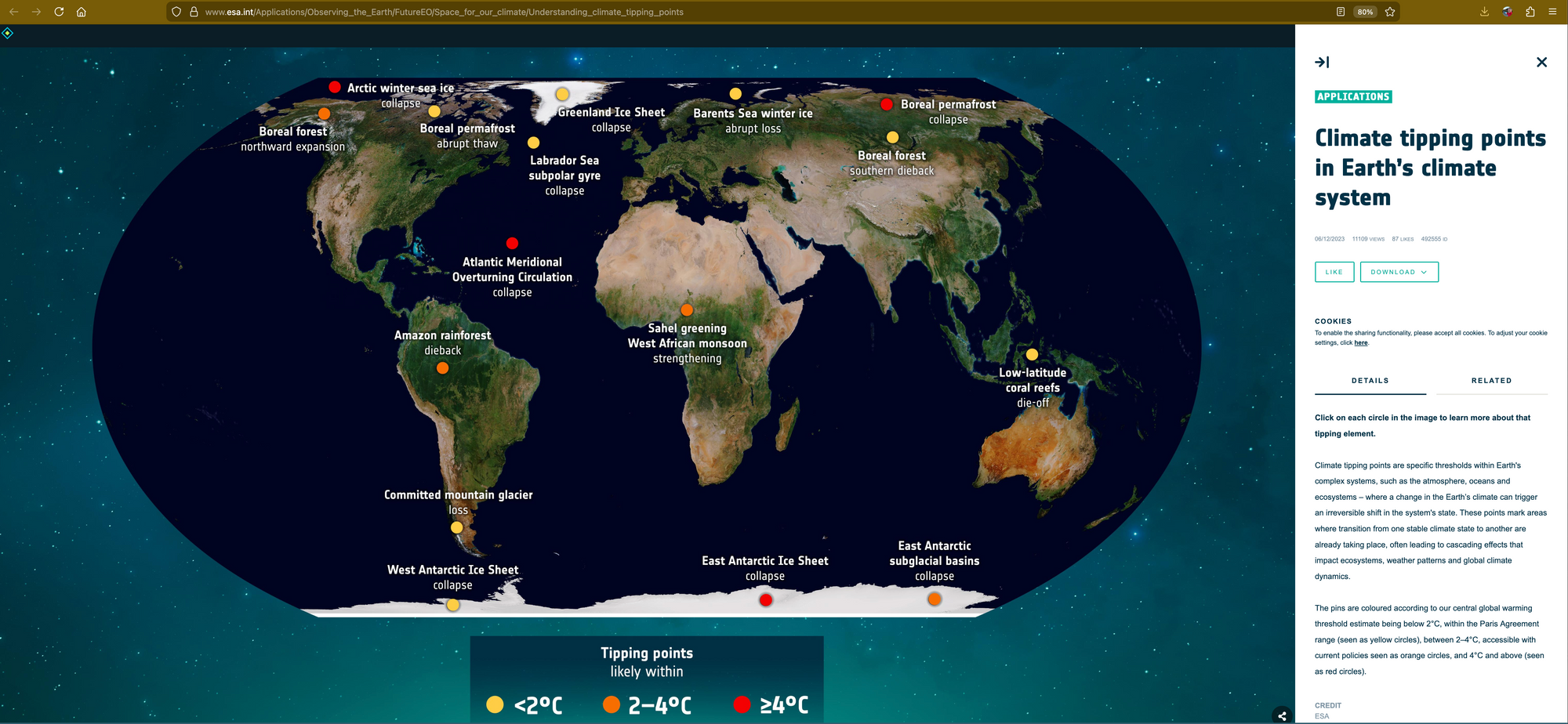
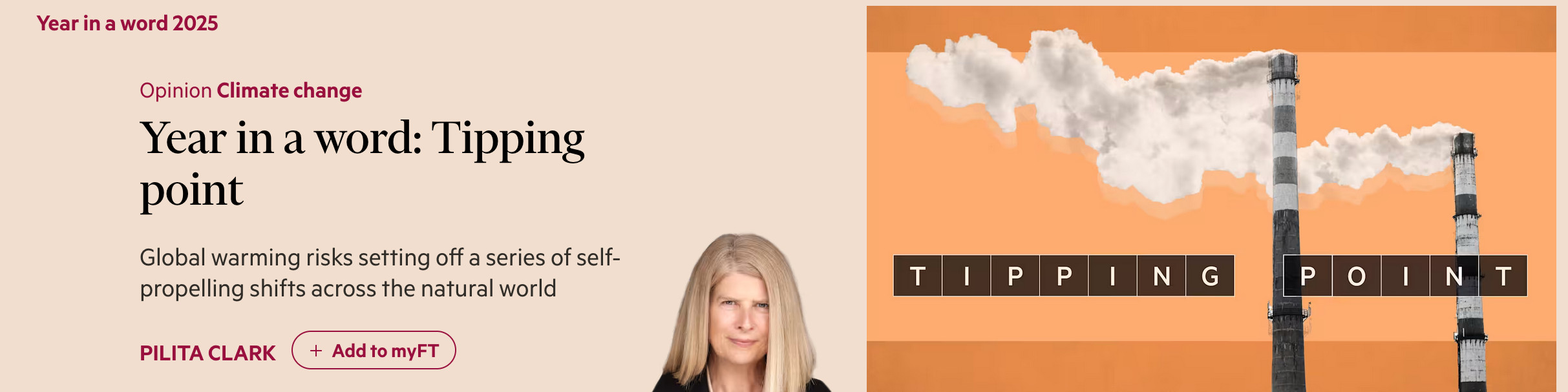
- 28th December 2025 – Financial Times columnist Pilita Clark opines on Year in a word: Tipping point. The column synthesises warnings from climate science on interconnected tipping elements . . . coral reefs, the Amazon and ocean circulation . . . and reframes the debate toward triggering positive tipping points in renewables, storage and social acceptance to avert irreversible damage. https://www.ft.com/content/6a955e24-613a-4ba1-be9c-923ffd04260d
- Overall C.A.T. usefulness: 9/10 ★★★★★★★★★☆ Strengths: Distils complex climate science into a precise, memorable frame that captures the urgency and irreversibility of systemic climate risks, grounded in up-to-date scientific signals from 2024–2025. Weaknesses: Brevity limits exploration of policy levers and accountability pathways once tipping risks are identified. Opportunities: Gives C.A.T. a powerful narrative hinge to connect science, politics and moral responsibility, while introducing the crucial idea of “positive tipping points” in clean technologies and social norms. Threats: Normalising tipping-point language without commensurate action risks fatalism rather than mobilisation.
- SDG 1 No Poverty: 5/10 ★★★★★☆☆☆☆☆
- SDG 2 Zero Hunger: 7/10 ★★★★★★★☆☆☆
- SDG 3 Good Health and Well-Being: 7/10 ★★★★★★★☆☆☆
- SDG 4 Quality Education: 6/10 ★★★★★★☆☆☆☆
- SDG 5 Gender Equality: 1/10 ★☆☆☆☆☆☆☆☆☆
- SDG 6 Clean Water and Sanitation: 6/10 ★★★★★★☆☆☆☆
- SDG 7 Affordable and Clean Energy: 7/10 ★★★★★★★☆☆☆
- SDG 8 Decent Work and Economic Growth: 4/10 ★★★★☆☆☆☆☆☆
- SDG 9 Industry, Innovation and Infrastructure: 6/10 ★★★★★★☆☆☆☆
- SDG 10 Reduced Inequalities: 6/10 ★★★★★★☆☆☆☆
- SDG 11 Sustainable Cities and Communities: 6/10 ★★★★★★☆☆☆☆
- SDG 12 Responsible Consumption and Production: 6/10 ★★★★★★☆☆☆☆
- SDG 13 Climate Action: 10/10 ★★★★★★★★★★
- SDG 14 Life Below Water: 9/10 ★★★★★★★★★☆
- SDG 15 Life on Land: 9/10 ★★★★★★★★★☆
- SDG 16 Peace, Justice and Strong Institutions: 6/10 ★★★★★★☆☆☆☆
- SDG 17 Partnerships for the Goals: 7/10 ★★★★★★★☆☆☆
- Overall C.A.T. usefulness: 9/10 ★★★★★★★★★☆ Strengths: Distils complex climate science into a precise, memorable frame that captures the urgency and irreversibility of systemic climate risks, grounded in up-to-date scientific signals from 2024–2025. Weaknesses: Brevity limits exploration of policy levers and accountability pathways once tipping risks are identified. Opportunities: Gives C.A.T. a powerful narrative hinge to connect science, politics and moral responsibility, while introducing the crucial idea of “positive tipping points” in clean technologies and social norms. Threats: Normalising tipping-point language without commensurate action risks fatalism rather than mobilisation.
- 26th December 2025 – Financial Times Editorial Board opines on the malaise of multilateralism. The FT editorial links the erosion of global cooperation to the posture of Donald Trump, the weakening effectiveness of forums such as the United Nations and the G20, and the long-term hollowing-out of rule-based systems including the World Trade Organization. https://www.ft.com/content/2d82e88f-e714-42eb-b4dd-e3749097c0dd
- Overall C.A.T. usefulness: 9/10 ★★★★★★★★★☆ Strengths: Offers a sharp, systems-level diagnosis of the breakdown of multilateral governance at precisely the moment when climate, trade and security risks demand collective action. Weaknesses: Remains largely normative, with limited exploration of enforcement mechanisms or accountability when cooperation fails. Opportunities: Equips CAT with a strong analytical bridge between climate action failure and institutional decay, while opening space to discuss plurilateral and issue-specific coalitions as pragmatic alternatives. Threats: Risks normalising a lowered ambition baseline where fragmented cooperation substitutes for binding global commitments.
- SDG 1 No Poverty: 5/10 ★★★★★☆☆☆☆☆
- SDG 2 Zero Hunger: 4/10 ★★★★☆☆☆☆☆☆
- SDG 3 Good Health and Well-Being: 4/10 ★★★★☆☆☆☆☆☆
- SDG 4 Quality Education: 3/10 ★★★☆☆☆☆☆☆☆
- SDG 5 Gender Equality: 1/10 ★☆☆☆☆☆☆☆☆☆
- SDG 6 Clean Water and Sanitation: 4/10 ★★★★☆☆☆☆☆☆
- SDG 7 Affordable and Clean Energy: 5/10 ★★★★★☆☆☆☆☆
- SDG 8 Decent Work and Economic Growth: 6/10 ★★★★★★☆☆☆☆
- SDG 9 Industry, Innovation and Infrastructure: 5/10 ★★★★★☆☆☆☆☆
- SDG 10 Reduced Inequalities: 7/10 ★★★★★★★☆☆☆
- SDG 11 Sustainable Cities and Communities: 4/10 ★★★★☆☆☆☆☆☆
- SDG 12 Responsible Consumption and Production: 5/10 ★★★★★☆☆☆☆☆
- SDG 13 Climate Action: 8/10 ★★★★★★★★☆☆
- SDG 14 Life Below Water: 5/10 ★★★★★☆☆☆☆☆
- SDG 15 Life on Land: 5/10 ★★★★★☆☆☆☆☆
- SDG 16 Peace, Justice and Strong Institutions: 10/10 ★★★★★★★★★★
- SDG 17 Partnerships for the Goals: 10/10 ★★★★★★★★★★
- Overall C.A.T. usefulness: 9/10 ★★★★★★★★★☆ Strengths: Offers a sharp, systems-level diagnosis of the breakdown of multilateral governance at precisely the moment when climate, trade and security risks demand collective action. Weaknesses: Remains largely normative, with limited exploration of enforcement mechanisms or accountability when cooperation fails. Opportunities: Equips CAT with a strong analytical bridge between climate action failure and institutional decay, while opening space to discuss plurilateral and issue-specific coalitions as pragmatic alternatives. Threats: Risks normalising a lowered ambition baseline where fragmented cooperation substitutes for binding global commitments.
- 23rd December 2025 – Financial Times Journalist Andy Bounds reports that the EU is preparing checks on imported plastics and other measures to shore up its recycling industry, after a wave of plant closures driven by sluggish demand and cheap imports, including from China. The measures are being driven by the European Commission as it tries to reconcile circular-economy targets, industrial competitiveness and carbon-leakage concerns amid cheap plastics imports, particularly from China. https://www.ft.com/content/9354d4d5-9e5f-4ab0-94f4-e2819c59366c
- Overall C.A.T. usefulness: 8/10 ★★★★★★★★☆☆ Strengths: Clearly exposes how weak demand signals and cheap imports are undermining Europe’s circular economy ambitions, with concrete data on plant closures and lost capacity. Weaknesses: Focuses primarily on supply-side fixes and trade defences, with less attention to reducing overall plastic production and consumption. Opportunities: Gives CAT a strong case study of why circularity needs enforceable standards, demand mandates and carbon pricing alignment to work at scale. Threats: If framed mainly as protectionism, the measures risk political backlash without delivering genuine reductions in plastic waste and emissions.
- SDG 1 No Poverty: 3/10 ★★★☆☆☆☆☆☆☆
- SDG 2 Zero Hunger: 0/10 ☆☆☆☆☆☆☆☆☆☆
- SDG 3 Good Health and Well-Being: 5/10 ★★★★★☆☆☆☆☆
- SDG 4 Quality Education: 2/10 ★★☆☆☆☆☆☆☆☆
- SDG 5 Gender Equality: 0/10 ☆☆☆☆☆☆☆☆☆☆
- SDG 6 Clean Water and Sanitation: 6/10 ★★★★★★☆☆☆☆
- SDG 7 Affordable and Clean Energy: 3/10 ★★★☆☆☆☆☆☆☆
- SDG 8 Decent Work and Economic Growth: 7/10 ★★★★★★★☆☆☆
- SDG 9 Industry, Innovation and Infrastructure: 7/10 ★★★★★★★☆☆☆
- SDG 10 Reduced Inequalities: 3/10 ★★★☆☆☆☆☆☆☆
- SDG 11 Sustainable Cities and Communities: 5/10 ★★★★★☆☆☆☆☆
- SDG 12 Responsible Consumption and Production: 9/10 ★★★★★★★★★☆
- SDG 13 Climate Action: 7/10 ★★★★★★★☆☆☆
- SDG 14 Life Below Water: 8/10 ★★★★★★★★☆☆
- SDG 15 Life on Land: 6/10 ★★★★★★☆☆☆☆
- SDG 16 Peace, Justice and Strong Institutions: 6/10 ★★★★★★☆☆☆☆
- SDG 17 Partnerships for the Goals: 6/10 ★★★★★★☆☆☆☆
- Overall C.A.T. usefulness: 8/10 ★★★★★★★★☆☆ Strengths: Clearly exposes how weak demand signals and cheap imports are undermining Europe’s circular economy ambitions, with concrete data on plant closures and lost capacity. Weaknesses: Focuses primarily on supply-side fixes and trade defences, with less attention to reducing overall plastic production and consumption. Opportunities: Gives CAT a strong case study of why circularity needs enforceable standards, demand mandates and carbon pricing alignment to work at scale. Threats: If framed mainly as protectionism, the measures risk political backlash without delivering genuine reductions in plastic waste and emissions.
- 22nd December 2025 – Financial Times Journalists Martha Muir and Rachel Millard report that The Trump administration has suspended leases on all large US offshore wind projects, citing national security concerns, in a fresh attack on the sector. The suspension was ordered under President Donald Trump’s administration and directly affects major developers including Ørsted, raising concerns about regulatory stability, investor confidence and the credibility of US clean-energy commitments. https://www.ft.com/content/fedb8762-8ae1-4b20-99d5-7167d39d9bab
- Overall C.A.T. usefulness: 9/10 ★★★★★★★★★☆ Strengths: Provides a clear, concrete case of climate policy reversal framed through national security rhetoric, with immediate implications for investment certainty, jobs, grid reliability and transatlantic clean-energy cooperation. Weaknesses: Relies heavily on official claims that are contested and classified, limiting transparency around the actual security risks cited. Opportunities: Offers C.A.T. a sharp example of how climate action can be derailed by politicised security narratives, reinforcing the need for rule-of-law stability and evidence-based policymaking. Threats: Normalising security-based justifications risks chilling renewable investment far beyond offshore wind and accelerating global clean-energy fragmentation.
- SDG 1 No Poverty: 4/10 ★★★★☆☆☆☆☆☆
- SDG 2 Zero Hunger: 0/10 ☆☆☆☆☆☆☆☆☆☆
- SDG 3 Good Health and Well-Being: 5/10 ★★★★★☆☆☆☆☆
- SDG 4 Quality Education: 2/10 ★★☆☆☆☆☆☆☆☆
- SDG 5 Gender Equality: 0/10 ☆☆☆☆☆☆☆☆☆☆
- SDG 6 Clean Water and Sanitation: 2/10 ★★☆☆☆☆☆☆☆☆
- SDG 7 Affordable and Clean Energy: 9/10 ★★★★★★★★★☆
- SDG 8 Decent Work and Economic Growth: 8/10 ★★★★★★★★☆☆
- SDG 9 Industry, Innovation and Infrastructure: 8/10 ★★★★★★★★☆☆
- SDG 10 Reduced Inequalities: 4/10 ★★★★☆☆☆☆☆☆
- SDG 11 Sustainable Cities and Communities: 5/10 ★★★★★☆☆☆☆☆
- SDG 12 Responsible Consumption and Production: 6/10 ★★★★★★☆☆☆☆
- SDG 13 Climate Action: 9/10 ★★★★★★★★★☆
- SDG 14 Life Below Water: 4/10 ★★★★☆☆☆☆☆☆
- SDG 15 Life on Land: 3/10 ★★★☆☆☆☆☆☆☆
- SDG 16 Peace, Justice and Strong Institutions: 9/10 ★★★★★★★★★☆
- SDG 17 Partnerships for the Goals: 7/10 ★★★★★★★☆☆☆
- Overall C.A.T. usefulness: 9/10 ★★★★★★★★★☆ Strengths: Provides a clear, concrete case of climate policy reversal framed through national security rhetoric, with immediate implications for investment certainty, jobs, grid reliability and transatlantic clean-energy cooperation. Weaknesses: Relies heavily on official claims that are contested and classified, limiting transparency around the actual security risks cited. Opportunities: Offers C.A.T. a sharp example of how climate action can be derailed by politicised security narratives, reinforcing the need for rule-of-law stability and evidence-based policymaking. Threats: Normalising security-based justifications risks chilling renewable investment far beyond offshore wind and accelerating global clean-energy fragmentation.
- 22nd December 2025 – Financial Times Journalists Edward White and Wenjie Ding
report that China uses green tech dominance to take early lead in clean fuels race. The article centres on Envision’s green ammonia push, enabled by China’s low-cost renewables and state-backed industrial strategy, as Beijing positions green fuels as the “new oil” in global decarbonisation pathways. https://www.ft.com/content/77283ccf-5a50-41e1-b6b9-9741ac3e7309- Overall C.A.T. usefulness: 9/10 ★★★★★★★★★☆ Strengths: Clearly demonstrates how China is translating renewable-energy scale into first-mover advantage in green fuels, with concrete projects, capital commitment and commercial customers already in place. Weaknesses: Understates environmental trade-offs and governance concerns around land, water and biomass sourcing, and largely views competitiveness through an industrial lens. Opportunities: Gives CAT a compelling case study of how clean molecules could reshape global energy geopolitics, shipping and heavy industry if policy alignment follows. Threats: China’s lead may widen global dependency gaps if other regions delay carbon pricing, standards and demand-side regulation.
- SDG 1 No Poverty: 3/10 ★★★☆☆☆☆☆☆☆
- SDG 2 Zero Hunger: 5/10 ★★★★★☆☆☆☆☆
- SDG 3 Good Health and Well-Being: 4/10 ★★★★☆☆☆☆☆☆
- SDG 4 Quality Education: 3/10 ★★★☆☆☆☆☆☆☆
- SDG 5 Gender Equality: 0/10 ☆☆☆☆☆☆☆☆☆☆
- SDG 6 Clean Water and Sanitation: 4/10 ★★★★☆☆☆☆☆☆
- SDG 7 Affordable and Clean Energy: 9/10 ★★★★★★★★★☆
- SDG 8 Decent Work and Economic Growth: 7/10 ★★★★★★★☆☆☆
- SDG 9 Industry, Innovation and Infrastructure: 9/10 ★★★★★★★★★☆
- SDG 10 Reduced Inequalities: 3/10 ★★★☆☆☆☆☆☆☆
- SDG 11 Sustainable Cities and Communities: 3/10 ★★★☆☆☆☆☆☆☆
- SDG 12 Responsible Consumption and Production: 8/10 ★★★★★★★★☆☆
- SDG 13 Climate Action: 8/10 ★★★★★★★★☆☆
- SDG 14 Life Below Water: 5/10 ★★★★★☆☆☆☆☆
- SDG 15 Life on Land: 4/10 ★★★★☆☆☆☆☆☆
- SDG 16 Peace, Justice and Strong Institutions: 4/10 ★★★★☆☆☆☆☆☆
- SDG 17 Partnerships for the Goals: 6/10 ★★★★★★☆☆☆☆
- Overall C.A.T. usefulness: 9/10 ★★★★★★★★★☆ Strengths: Clearly demonstrates how China is translating renewable-energy scale into first-mover advantage in green fuels, with concrete projects, capital commitment and commercial customers already in place. Weaknesses: Understates environmental trade-offs and governance concerns around land, water and biomass sourcing, and largely views competitiveness through an industrial lens. Opportunities: Gives CAT a compelling case study of how clean molecules could reshape global energy geopolitics, shipping and heavy industry if policy alignment follows. Threats: China’s lead may widen global dependency gaps if other regions delay carbon pricing, standards and demand-side regulation.
- 21st December 2025 – Financial Times Journalists Diana Mariska, A. Anantha Lakshmi, and Steven Bernard report that Indonesia is clearing forests at a rapid pace with military assistance in one of its most biodiverse regions for a state-backed agricultural project, even as recent fatal floods have illustrated the dangers of deforestation. https://www.ft.com/content/27a6bd42-aa95-449f-97b7-7a086da42bac
- Overall C.A.T. usefulness: 10/10 ★★★★★★★★★★ Strengths: Deep, evidence-based investigative reporting that connects deforestation, food security narratives, military involvement, indigenous rights violations and climate risk in one of the world’s most biodiverse regions. Weaknesses: The scale and gravity of harms can feel overwhelming, with limited visibility on viable political off-ramps within Indonesia’s current power structure. Opportunities: Gives C.A.T. a textbook case of SDG trade-offs gone wrong, illustrating how climate, biodiversity, human rights and governance failures reinforce each other. Threats: State-backed framing of “food and energy security” risks normalising ecocide and militarisation as acceptable climate-era policy tools.
- SDG 1 No Poverty: 6/10 ★★★★★★☆☆☆☆
- SDG 2 Zero Hunger: 7/10 ★★★★★★★☆☆☆
- SDG 3 Good Health and Well-Being: 7/10 ★★★★★★★☆☆☆
- SDG 4 Quality Education: 3/10 ★★★☆☆☆☆☆☆☆
- SDG 5 Gender Equality: 1/10 ★☆☆☆☆☆☆☆☆☆
- SDG 6 Clean Water and Sanitation: 8/10 ★★★★★★★★☆☆
- SDG 7 Affordable and Clean Energy: 4/10 ★★★★☆☆☆☆☆☆
- SDG 8 Decent Work and Economic Growth: 5/10 ★★★★★☆☆☆☆☆
- SDG 9 Industry, Innovation and Infrastructure: 6/10 ★★★★★★☆☆☆☆
- SDG 10 Reduced Inequalities: 9/10 ★★★★★★★★★☆
- SDG 11 Sustainable Cities and Communities: 5/10 ★★★★★☆☆☆☆☆
- SDG 12 Responsible Consumption and Production: 9/10 ★★★★★★★★★☆
- SDG 13 Climate Action: 10/10 ★★★★★★★★★★
- SDG 14 Life Below Water: 6/10 ★★★★★★☆☆☆☆
- SDG 15 Life on Land: 10/10 ★★★★★★★★★★
- SDG 16 Peace, Justice and Strong Institutions: 9/10 ★★★★★★★★★☆
- SDG 17 Partnerships for the Goals: 6/10 ★★★★★★☆☆☆☆
- Overall C.A.T. usefulness: 10/10 ★★★★★★★★★★ Strengths: Deep, evidence-based investigative reporting that connects deforestation, food security narratives, military involvement, indigenous rights violations and climate risk in one of the world’s most biodiverse regions. Weaknesses: The scale and gravity of harms can feel overwhelming, with limited visibility on viable political off-ramps within Indonesia’s current power structure. Opportunities: Gives C.A.T. a textbook case of SDG trade-offs gone wrong, illustrating how climate, biodiversity, human rights and governance failures reinforce each other. Threats: State-backed framing of “food and energy security” risks normalising ecocide and militarisation as acceptable climate-era policy tools.
- 21st December 2025 – Financial Times Journalists Kana Inagaki and Ian Johnston report that the executives behind Europe’s newest battery plants have voiced support for a plan by Brussels to boost local content levels for car products as the continent seeks to weaken China’s grip on technologies critical to the electric transition. https://www.ft.com/content/16012fe8-829a-44c8-b840-1dd83044740b
- Overall C.A.T. usefulness: 8/10 ★★★★★★★★☆☆ Strengths: Strong industrial-policy narrative linking climate action, jobs, supply-chain resilience and strategic autonomy. Weaknesses: Environmental and social risks within battery raw-material supply chains receive limited scrutiny. Opportunities: Enables CAT to connect climate action with economic security and regional development across multiple SDGs. Threats: Poorly designed local content rules risk trade disputes or slower clean-tech deployment.
- SDG 1 No Poverty: 3/10 ★★★☆☆☆☆☆☆☆
- SDG 2 Zero Hunger: 0/10 ☆☆☆☆☆☆☆☆☆☆
- SDG 3 Good Health and Well-Being: 3/10 ★★★☆☆☆☆☆☆☆
- SDG 4 Quality Education: 2/10 ★★☆☆☆☆☆☆☆☆
- SDG 5 Gender Equality: 0/10 ☆☆☆☆☆☆☆☆☆☆
- SDG 6 Clean Water and Sanitation: 2/10 ★★☆☆☆☆☆☆☆☆
- SDG 7 Affordable and Clean Energy: 7/10 ★★★★★★★☆☆☆
- SDG 8 Decent Work and Economic Growth: 8/10 ★★★★★★★★☆☆
- SDG 9 Industry, Innovation and Infrastructure: 9/10 ★★★★★★★★★☆
- SDG 10 Reduced Inequalities: 4/10 ★★★★☆☆☆☆☆☆
- SDG 11 Sustainable Cities and Communities: 5/10 ★★★★★☆☆☆☆☆
- SDG 12 Responsible Consumption and Production: 7/10 ★★★★★★★☆☆☆
- SDG 13 Climate Action: 7/10 ★★★★★★★☆☆☆
- SDG 14 Life Below Water: 1/10 ★☆☆☆☆☆☆☆☆☆
- SDG 15 Life on Land: 2/10 ★★☆☆☆☆☆☆☆☆
- SDG 16 Peace, Justice and Strong Institutions: 6/10 ★★★★★★☆☆☆☆
- SDG 17 Partnerships for the Goals: 7/10 ★★★★★★★☆☆☆
- Overall C.A.T. usefulness: 8/10 ★★★★★★★★☆☆ Strengths: Strong industrial-policy narrative linking climate action, jobs, supply-chain resilience and strategic autonomy. Weaknesses: Environmental and social risks within battery raw-material supply chains receive limited scrutiny. Opportunities: Enables CAT to connect climate action with economic security and regional development across multiple SDGs. Threats: Poorly designed local content rules risk trade disputes or slower clean-tech deployment.
- 20th December 2025 – Financial Times Journalists Emiliya Mychasuk and Michael Pooler report that Brazil has committed to a two-month deadline for key ministries to set out plans for how to end a dependency on oil and gas, after the UN COP30 chief executive affirmed President Luiz Inácio Lula da Silva’s backing for a “roadmap” for a transition from fossil fuels. https://www.ft.com/content/5345eb77-f724-427b-aa4d-5a62dc77eb72
- Overall C.A.T. usefulness: 9/10 ★★★★★★★★★☆ Strengths: Provides a rare, concrete example of a major fossil-fuel producer formally tasking its core ministries with planning an exit from oil and gas, anchored at the highest political level and linked to COP30 leadership. Weaknesses: The roadmap remains aspirational, with internal government contradictions and continued oil expansion creating credibility risks. Opportunities: Gives CAT a strong Global South case study on just transition planning, fiscal sequencing, and the use of fossil revenues to fund decline. Threats: The initiative could stall at narrative level or be undermined if rising production outpaces the planned transition.
- SDG 1 No Poverty: 5/10 ★★★★★☆☆☆☆☆
- SDG 2 Zero Hunger: 3/10 ★★★☆☆☆☆☆☆☆
- SDG 3 Good Health and Well-Being: 4/10 ★★★★☆☆☆☆☆☆
- SDG 4 Quality Education: 3/10 ★★★☆☆☆☆☆☆☆
- SDG 5 Gender Equality: 0/10 ☆☆☆☆☆☆☆☆☆☆
- SDG 6 Clean Water and Sanitation: 4/10 ★★★★☆☆☆☆☆☆
- SDG 7 Affordable and Clean Energy: 8/10 ★★★★★★★★☆☆
- SDG 8 Decent Work and Economic Growth: 7/10 ★★★★★★★☆☆☆
- SDG 9 Industry, Innovation and Infrastructure: 6/10 ★★★★★★☆☆☆☆
- SDG 10 Reduced Inequalities: 6/10 ★★★★★★☆☆☆☆
- SDG 11 Sustainable Cities and Communities: 4/10 ★★★★☆☆☆☆☆☆
- SDG 12 Responsible Consumption and Production: 7/10 ★★★★★★★☆☆☆
- SDG 13 Climate Action: 9/10 ★★★★★★★★★☆
- SDG 14 Life Below Water: 4/10 ★★★★☆☆☆☆☆☆
- SDG 15 Life on Land: 5/10 ★★★★★☆☆☆☆☆
- SDG 16 Peace, Justice and Strong Institutions: 7/10 ★★★★★★★☆☆☆
- SDG 17 Partnerships for the Goals: 8/10 ★★★★★★★★☆☆
- Overall C.A.T. usefulness: 9/10 ★★★★★★★★★☆ Strengths: Provides a rare, concrete example of a major fossil-fuel producer formally tasking its core ministries with planning an exit from oil and gas, anchored at the highest political level and linked to COP30 leadership. Weaknesses: The roadmap remains aspirational, with internal government contradictions and continued oil expansion creating credibility risks. Opportunities: Gives CAT a strong Global South case study on just transition planning, fiscal sequencing, and the use of fossil revenues to fund decline. Threats: The initiative could stall at narrative level or be undermined if rising production outpaces the planned transition.
- 20th December 2025 – Financial Times Journalists Kana Inagaki and Alice Hancock report that the EU’s plan to relax petrol car ban dismissed by Fiat maker: The core conflict is between the auto industry’s demand for growth and regulatory clarity, and the EU’s attempt to balance climate ambition with economic realism. The Stellantis CEO’s sharp criticism (“This package does not do the job”) highlights a perceived failure to support investment, while EU officials insist the overall 2035 goal remains intact, framing the offsets as creating a lead market for green tech. The piece captures a pivotal moment of policy recalibration and industry pressure. https://www.ft.com/content/7d329ac4-2b09-4285-bf6f-5ce063ec01d9
- Overall C.A.T. usefulness: 7/10 ★★★★★★★☆☆☆ Strengths: Provides concrete insight into the collision between climate ambition, industrial competitiveness and employment in Europe’s automotive sector. Weaknesses: Heavily shaped by industry perspectives, with limited attention to public health, cities or demand reduction. Opportunities: Useful for CAT to illustrate how regulatory ambiguity delays investment and risks locking in suboptimal transition pathways. Threats: Incremental concessions may be reframed as pragmatism while quietly eroding climate credibility.
- SDG 1 No Poverty: 2/10 ★★☆☆☆☆☆☆☆☆
- SDG 2 Zero Hunger: 0/10 ☆☆☆☆☆☆☆☆☆☆
- SDG 3 Good Health and Well-Being: 3/10 ★★★☆☆☆☆☆☆☆
- SDG 4 Quality Education: 2/10 ★★☆☆☆☆☆☆☆☆
- SDG 5 Gender Equality: 0/10 ☆☆☆☆☆☆☆☆☆☆
- SDG 6 Clean Water and Sanitation: 1/10 ★☆☆☆☆☆☆☆☆☆
- SDG 7 Affordable and Clean Energy: 6/10 ★★★★★★☆☆☆☆
- SDG 8 Decent Work and Economic Growth: 7/10 ★★★★★★★☆☆☆
- SDG 9 Industry, Innovation and Infrastructure: 8/10 ★★★★★★★★☆☆
- SDG 10 Reduced Inequalities: 3/10 ★★★☆☆☆☆☆☆☆
- SDG 11 Sustainable Cities and Communities: 4/10 ★★★★☆☆☆☆☆☆
- SDG 12 Responsible Consumption and Production: 6/10 ★★★★★★☆☆☆☆
- SDG 13 Climate Action: 6/10 ★★★★★★☆☆☆☆
- SDG 14 Life Below Water: 1/10 ★☆☆☆☆☆☆☆☆☆
- SDG 15 Life on Land: 2/10 ★★☆☆☆☆☆☆☆☆
- SDG 16 Peace, Justice and Strong Institutions: 6/10 ★★★★★★☆☆☆☆
- SDG 17 Partnerships for the Goals: 5/10 ★★★★★☆☆☆☆☆
- Overall C.A.T. usefulness: 7/10 ★★★★★★★☆☆☆ Strengths: Provides concrete insight into the collision between climate ambition, industrial competitiveness and employment in Europe’s automotive sector. Weaknesses: Heavily shaped by industry perspectives, with limited attention to public health, cities or demand reduction. Opportunities: Useful for CAT to illustrate how regulatory ambiguity delays investment and risks locking in suboptimal transition pathways. Threats: Incremental concessions may be reframed as pragmatism while quietly eroding climate credibility.
- 18th December 2025 – Financial Times Climate Change Opinion columnist Pilita Clark explores: the imminent reality of breaching the 1.5°C Paris Agreement target (“overshoot”) and the profound political crises this will trigger. It moves beyond the technical challenge to outline the coming standoffs: climate skeptics declaring failure vs. demands for even more burdensome “net negative” targets; geopolitical battles over who must go net-negative and who pays; and the potential unraveling of international climate finance and carbon pricing systems. The article argues that while politically fraught, acknowledging this inevitability is essential to manage its consequences. https://www.ft.com/content/45a3c78b-adf6-4bde-804d-6a7b8a549e7e
- Overall C.A.T. usefulness: 9/10 ★★★★★★★★★☆ Strengths: Exceptionally clear-eyed on the political, fiscal and equity consequences of overshooting 1.5C, moving the debate beyond slogans into hard trade-offs. Weaknesses: The scale and complexity of the challenge may feel paralysing without strong policy literacy. Opportunities: Allows CAT to argue persuasively that near-term emissions cuts are far less disruptive than managing overshoot later. Threats: Overshoot realism could be weaponised by climate opponents to undermine international climate targets.
- SDG 1 No Poverty: 3/10 ★★★☆☆☆☆☆☆☆
- SDG 2 Zero Hunger: 2/10 ★★☆☆☆☆☆☆☆☆
- SDG 3 Good Health and Well-Being: 4/10 ★★★★☆☆☆☆☆☆
- SDG 4 Quality Education: 4/10 ★★★★☆☆☆☆☆☆
- SDG 5 Gender Equality: 0/10 ☆☆☆☆☆☆☆☆☆☆
- SDG 6 Clean Water and Sanitation: 3/10 ★★★☆☆☆☆☆☆☆
- SDG 7 Affordable and Clean Energy: 6/10 ★★★★★★☆☆☆☆
- SDG 8 Decent Work and Economic Growth: 5/10 ★★★★★☆☆☆☆☆
- SDG 9 Industry, Innovation and Infrastructure: 6/10 ★★★★★★☆☆☆☆
- SDG 10 Reduced Inequalities: 7/10 ★★★★★★★☆☆☆
- SDG 11 Sustainable Cities and Communities: 5/10 ★★★★★☆☆☆☆☆
- SDG 12 Responsible Consumption and Production: 6/10 ★★★★★★☆☆☆☆
- SDG 13 Climate Action: 10/10 ★★★★★★★★★★
- SDG 14 Life Below Water: 3/10 ★★★☆☆☆☆☆☆☆
- SDG 15 Life on Land: 4/10 ★★★★☆☆☆☆☆☆
- SDG 16 Peace, Justice and Strong Institutions: 7/10 ★★★★★★★☆☆☆
- SDG 17 Partnerships for the Goals: 8/10 ★★★★★★★★☆☆
- Overall C.A.T. usefulness: 9/10 ★★★★★★★★★☆ Strengths: Exceptionally clear-eyed on the political, fiscal and equity consequences of overshooting 1.5C, moving the debate beyond slogans into hard trade-offs. Weaknesses: The scale and complexity of the challenge may feel paralysing without strong policy literacy. Opportunities: Allows CAT to argue persuasively that near-term emissions cuts are far less disruptive than managing overshoot later. Threats: Overshoot realism could be weaponised by climate opponents to undermine international climate targets.
- 17th December 2025 – Financial Times “Moral Money” columnist Simon Mundy asks: Is the ‘energy transition’ a real thing? The article questions whether the widely used concept of an “energy transition” accurately reflects historical and current realities. Drawing on the work of Jean-Baptiste Fressoz, it argues that past energy shifts have added new sources rather than replacing old ones, with fossil fuel use continuing to rise alongside renewables. The piece contrasts this critique with counter-arguments from energy analysts who see today’s expansion of clean energy as an early but genuine transition phase. Ultimately, it suggests that meaningful climate action may require not just cleaner energy growth, but an unprecedented and deliberate reduction of fossil fuel use. https://www.ft.com/content/203a19ab-7007-4a02-ad8a-4ffeb4ad2f39
- Overall C.A.T. usefulness: 8/10 ★★★★★★★★☆☆ Strengths: Strong conceptual framing that dismantles the comforting myth of linear energy substitution, grounded in historical evidence and credible expert debate. Weaknesses: Largely analytical rather than prescriptive, offering limited guidance on how societies operationalise “energy amputation.” Opportunities: Provides CAT with a powerful narrative tool to challenge greenwashing and growth-only transition rhetoric. Threats: Risks being misused by transition sceptics to justify delay rather than accelerate absolute fossil fuel reduction.
- SDG 1 No Poverty: 1/10 ★☆☆☆☆☆☆☆☆☆
- SDG 2 Zero Hunger: 0/10 ☆☆☆☆☆☆☆☆☆☆
- SDG 3 Good Health and Well-Being: 2/10 ★★☆☆☆☆☆☆☆☆
- SDG 4 Quality Education: 3/10 ★★★☆☆☆☆☆☆☆
- SDG 5 Gender Equality: 0/10 ☆☆☆☆☆☆☆☆☆☆
- SDG 6 Clean Water and Sanitation: 1/10 ★☆☆☆☆☆☆☆☆☆
- SDG 7 Affordable and Clean Energy: 9/10 ★★★★★★★★★☆
- SDG 8 Decent Work and Economic Growth: 5/10 ★★★★★☆☆☆☆☆
- SDG 9 Industry, Innovation and Infrastructure: 6/10 ★★★★★★☆☆☆☆
- SDG 10 Reduced Inequalities: 2/10 ★★☆☆☆☆☆☆☆☆
- SDG 11 Sustainable Cities and Communities: 3/10 ★★★☆☆☆☆☆☆☆
- SDG 12 Responsible Consumption and Production: 6/10 ★★★★★★☆☆☆☆
- SDG 13 Climate Action: 9/10 ★★★★★★★★★☆
- SDG 14 Life Below Water: 1/10 ★☆☆☆☆☆☆☆☆☆
- SDG 15 Life on Land: 1/10 ★☆☆☆☆☆☆☆☆☆
- SDG 16 Peace, Justice and Strong Institutions: 2/10 ★★☆☆☆☆☆☆☆☆
- SDG 17 Partnerships for the Goals: 4/10 ★★★★☆☆☆☆☆☆
- Overall C.A.T. usefulness: 8/10 ★★★★★★★★☆☆ Strengths: Strong conceptual framing that dismantles the comforting myth of linear energy substitution, grounded in historical evidence and credible expert debate. Weaknesses: Largely analytical rather than prescriptive, offering limited guidance on how societies operationalise “energy amputation.” Opportunities: Provides CAT with a powerful narrative tool to challenge greenwashing and growth-only transition rhetoric. Threats: Risks being misused by transition sceptics to justify delay rather than accelerate absolute fossil fuel reduction.