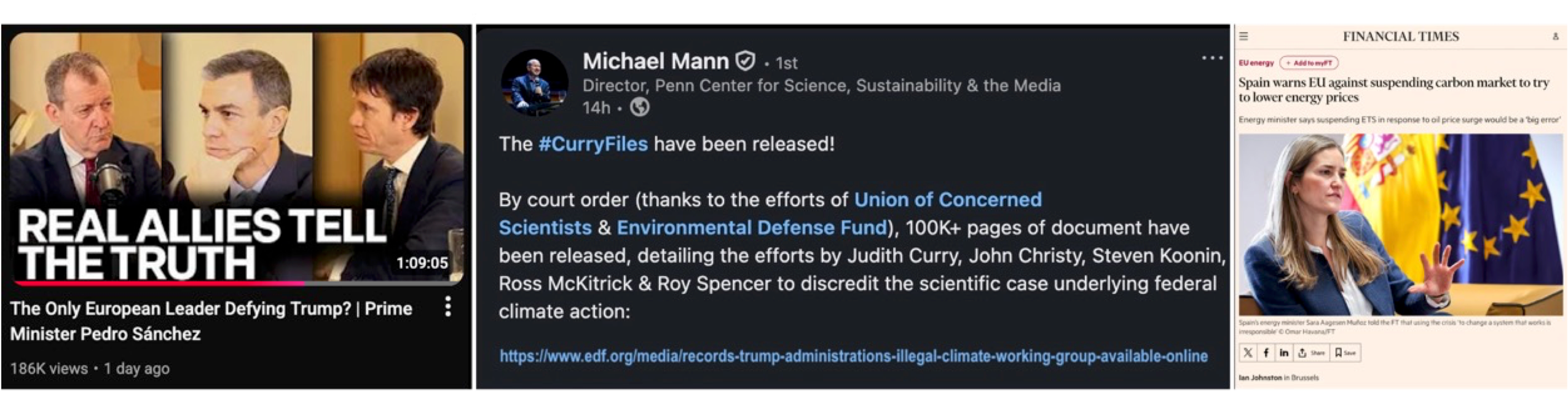
Read Financial Times columnist Pilita Clark‘s #MustRead article (Gift-Link: https://giftarticle.ft.com/giftarticle/actions/redeem/6bc7081e-902d-434d-9050-9ca709fc55ee) and the better readers’ comments.
Let’s read Pilita Clark‘s text through the lenses of Hannah Arendt + Malcolm Nance + COP Youth and the Earth itself . . . (note: the Financial Times upgraded the headlines from “Read the COP small print” to “The wins of COP that nobody noticed”). Youth4Planet and the EU Climate Pact Ambassadors . . . and billions of people around the world . . . notice.
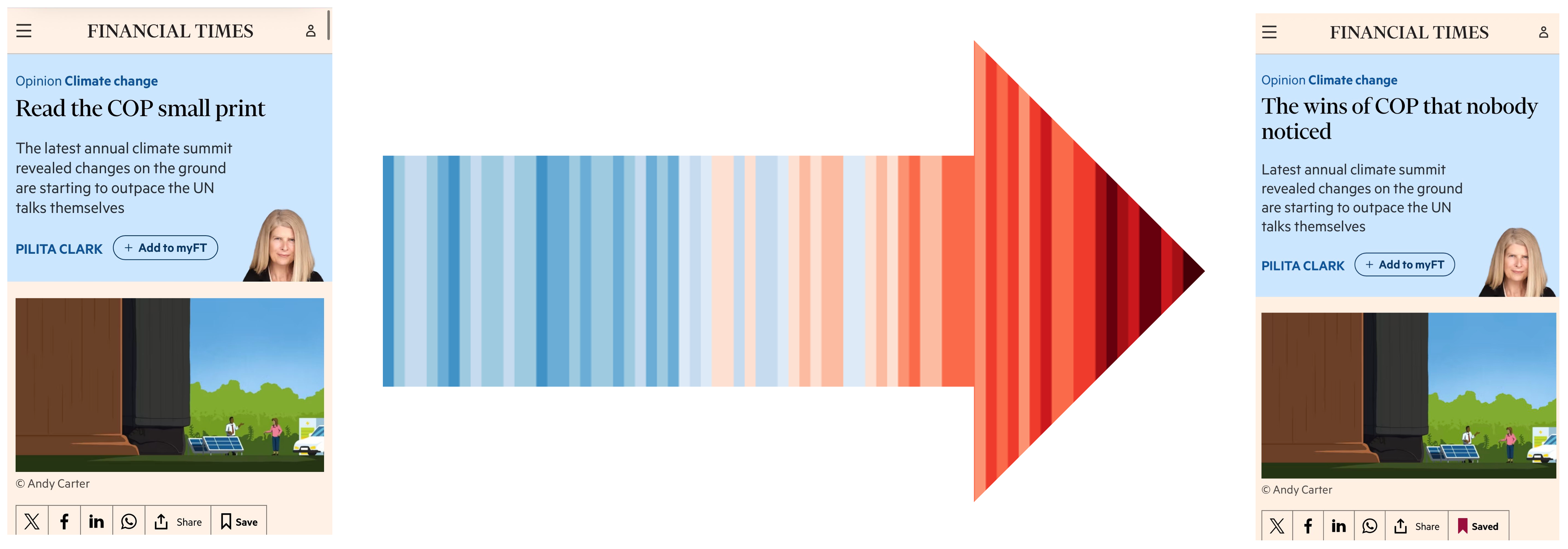
1. Pilita Clark is observing patterns emerging at COP30:
• Ethiopia bans petrol and diesel car imports . . . cheap Chinese EVs surge . . . hydropower expands . . . charging infrastructure lags.
• Nepal jumps from almost zero EVs to >70% of new passenger car sales in 5 years . . . a response to air pollution and fossil fuel import dependence.
• Ukraine decentralises energy under war conditions . . . coal plants are single targets for missiles, while wind and solar are distributed and resilient.
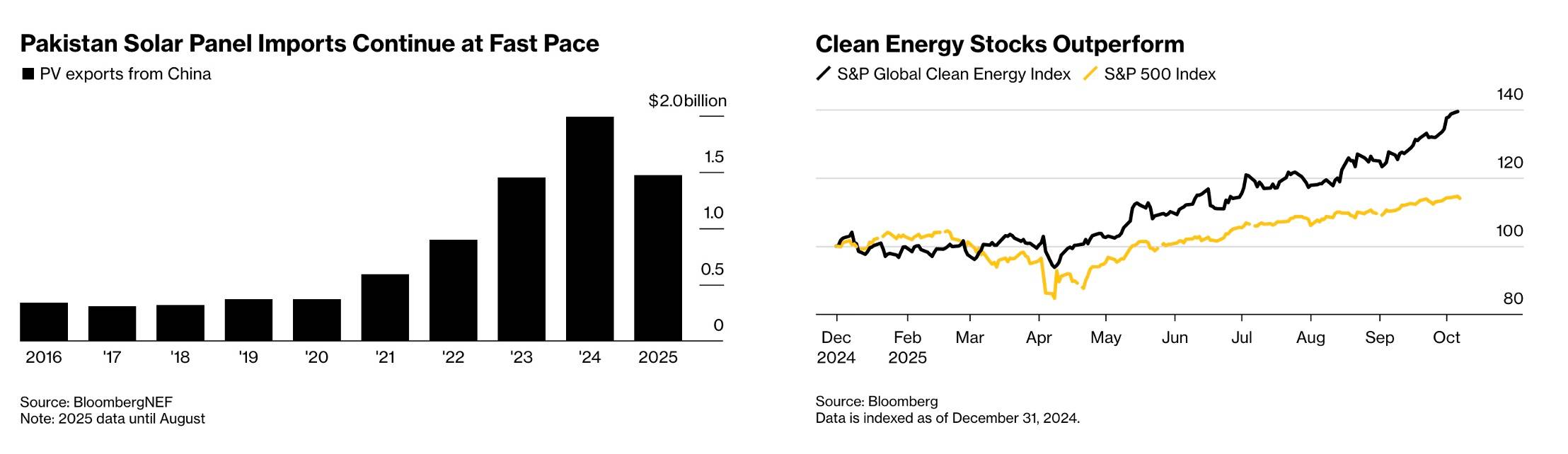
• Pakistan rooftop solar grows so fast that some industrial regions may soon produce more power from rooftops alone than they draw from the grid . . . with equity challenges for poorer households stranded on a debt ridden system.
Her central thesis is clear: bottom up forces in technology, security, and economics are now reshaping climate action faster than top down diplomacy.
2. A highly rated reader’s comment on the FT article makes three crucial points:
a. The article language of “could be happening” is too weak . . . the moral verbs should be “should” and “must”.
b. The issue is not how many EV chargers or solar rooftops exist, but the absence of a global climate architecture that aligns every nation short term economic self interest with emissions cuts.
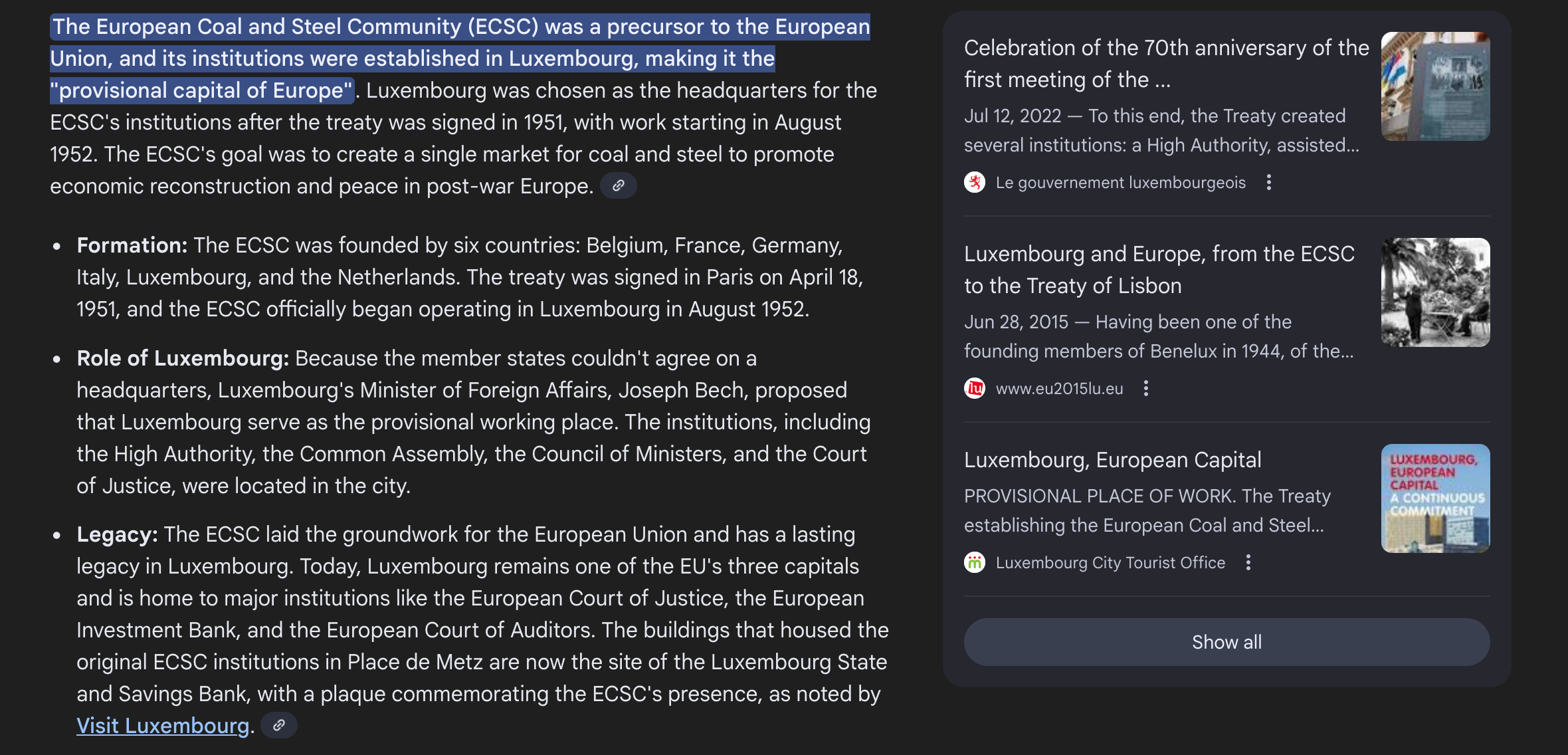
c. The example of the European Coal and Steel Community is a reminder that binding supranational enforcement once helped prevent wars . . . and that something similarly structural is missing in global climate governance.
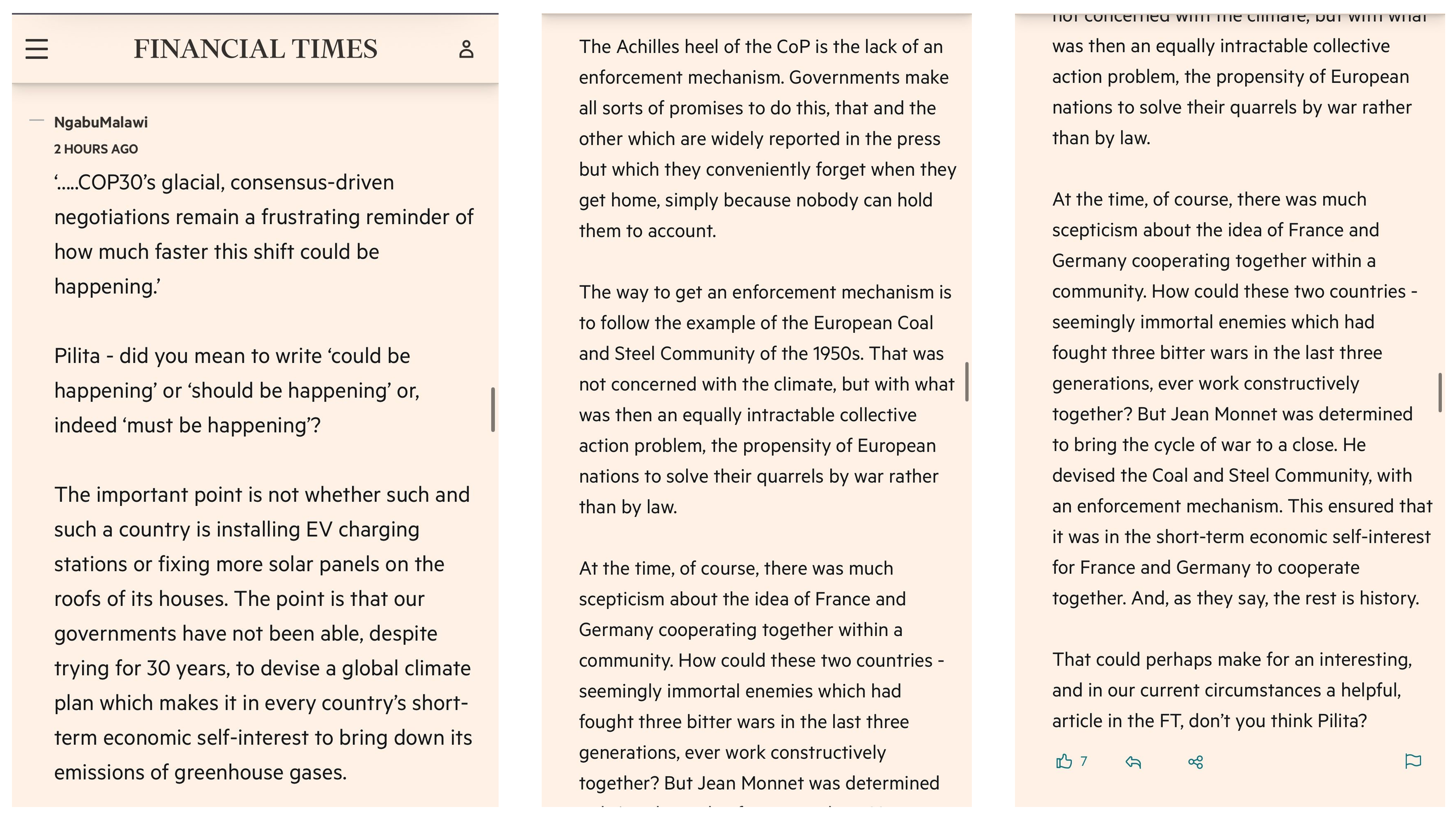
The comment identifies the Achilles heel of the United Nations COP system… promises without enforcement. Governments commit, return home, and forget . . . because no institution exists to hold them to account.
This is the structural void behind Clark narrative.
3. The Hannah Arendt lens: the banality of incrementalism
Hannah Arendt would see the COP process as a vast bureaucracy of diffused responsibility . . . every official doing a job, every delegation staying within its mandate . . . no one morally accountable for the planetary outcome. This is the banality of climate politics . . . not monstrous intent, but ordinary procedural drift. By contrast, the ECSC created a genuine supranational public realm.
Arendt would note that storytelling shapes political reality. Clark’s stories from Ethiopia, Nepal, Ukraine and Pakistan matter as antidotes to despair . . . but they remain islands of progress in an ocean of overshoot.

4. Viewed through the security lens associated with Malcolm Nance . . . Clark’s reporting becomes even more urgent:
• Ukraine’s shift to distributed renewables is a wartime necessity: coal plants are easy to destroy . . . renewable networks are harder to target.
• Pakistan’s rooftop solar is partly a hedge against macroeconomic instability and political fragility.
• Ethiopia and Nepal seek relief from imported fuel vulnerability that drains foreign exchange and triggers unrest.
Climate action here becomes national survival. Pilita Clark stops short of naming the adversaries . . . the Trump-aligned authoritarian regimes + Henri Deterding’y fossil fuel cartels + and disinformation actors who actively block the kinds of enforcement mechanisms the commenter calls for.
From this perspective, a United Nations Permanent Climate Security Alliance + a clean energy NATO + a G20 Climate Club with tariffs, mutual obligations, and real consequences . . . is closer to the Jean Monnet analogy than the COP process as it stands.
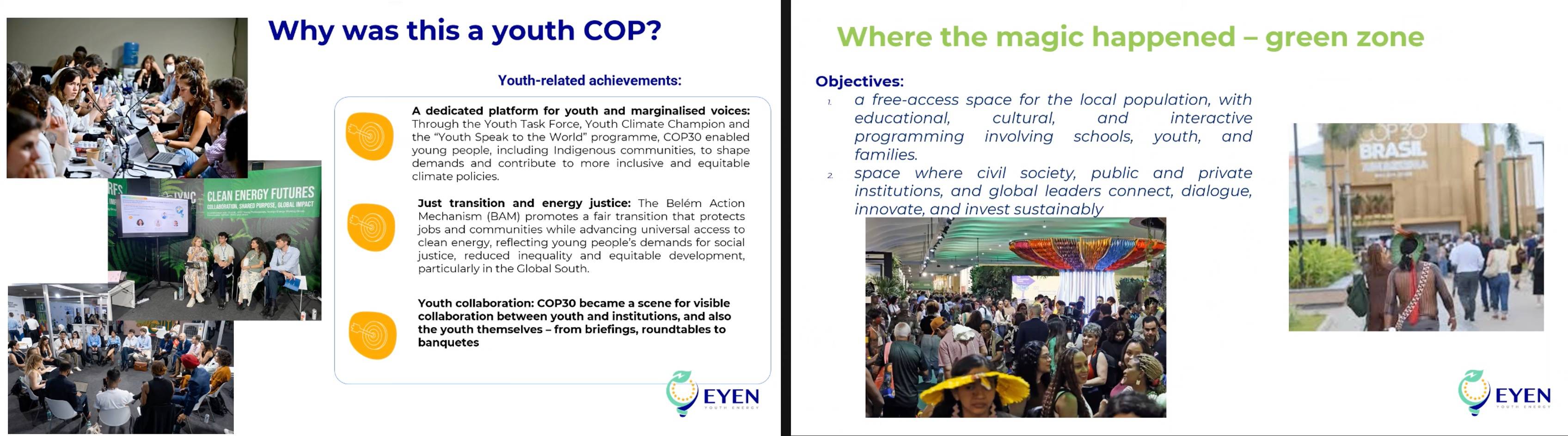
5. Youth delegates from COP1 to COP30 Brazil . . . hope and exhaustion:
The generations that grew up inside the COP machinery would recognise Pilita Clark’s logistical frustrations: the queues, the confusion, the sprawling pavilions. They would also appreciate her attention to countries often cast as victims rather than protagonists.
But they would insist on the verb-shift.
“Could be happening faster” is the language of cautious adults. “Must be happening faster” is the language of those who will live through 2050 . . . 2080 . . . 2100.
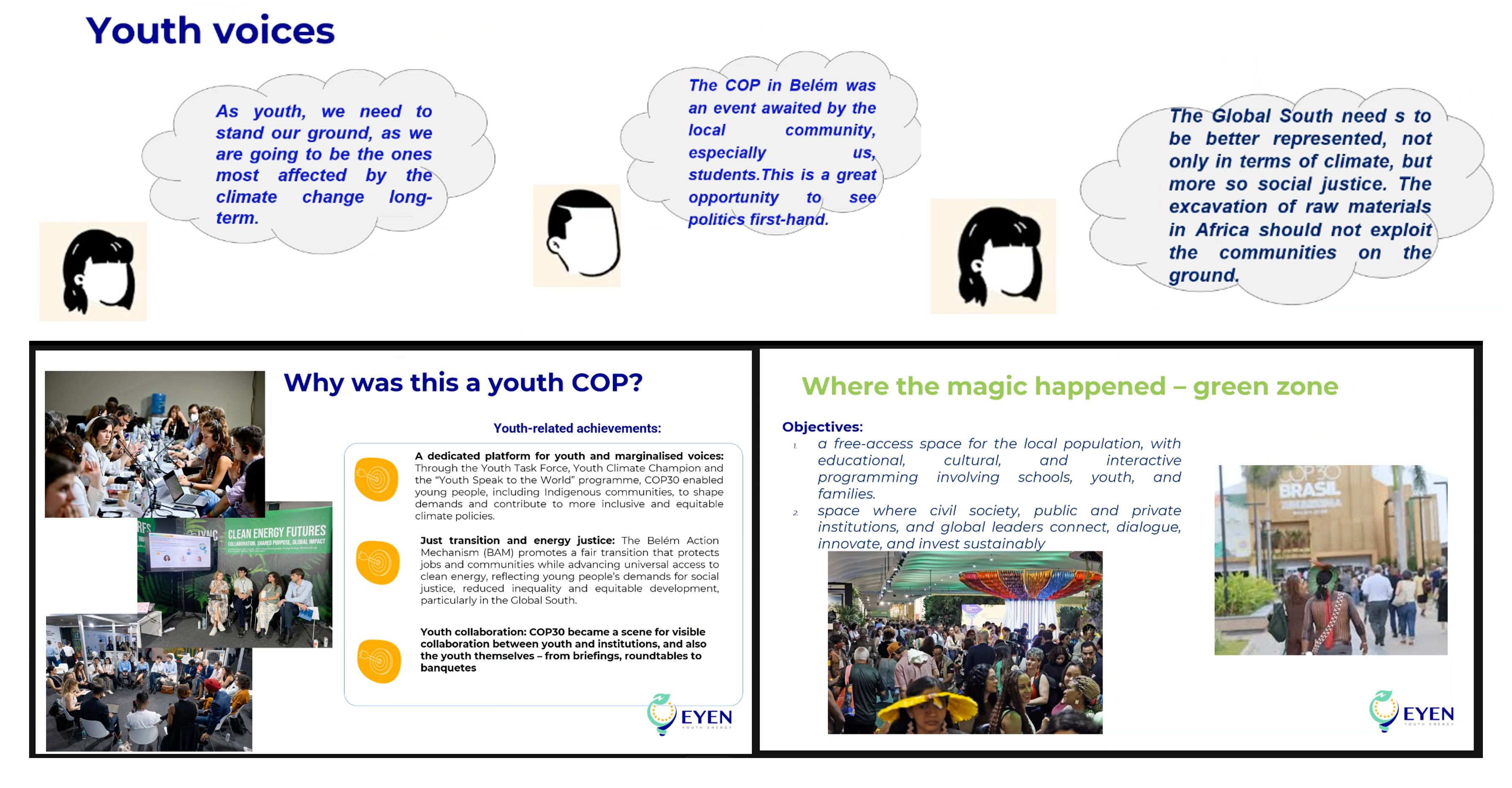
Youth voices emphasise equity as well . . . Pakistan rooftop solar may be a breakthrough, but poorer citizens left on a weakening grid face rising tariffs and diminished service. The question is not merely whether progress is happening . . . but how the benefits and burdens are distributed.
6. From the perspective of living Earth systems:
• Ethiopia’s hydropower infrastructure destroys river basins and wetlands.
• Nepal’s EV adoption does not . . . alone . . . slow glacier melt driven by global emissions.
• Pakistan rooftop solar does not . . . alone . . . halt the ocean heating that destroys reefs and intensifies monsoons.
• Ukraine distributed energy is resilient, and global temperature trajectories remain far above safe thresholds.
Earth systems judge change by outcomes, not narratives. The relevant indicators are glacier mass, coral cover, soil moisture, storm intensity, biodiversity resilience.
By these measures, progress remains profoundly insufficient and unfocused.
7. The grandchildren lens . . . 75 years from now:
People reading Pilita’s column in 2100 will know exactly what happened next. They will likely see:
• A world that understood the economics of renewables . . .
• But failed to build binding institutions . . .
• And allowed voluntary incrementalism to dictate pace long after the window for safety had closed.
Pilita Clark’s line about “how much faster this shift could be happening” reads like a hushed indictment . . . a reminder of decades when the possible was known, but not enforced.
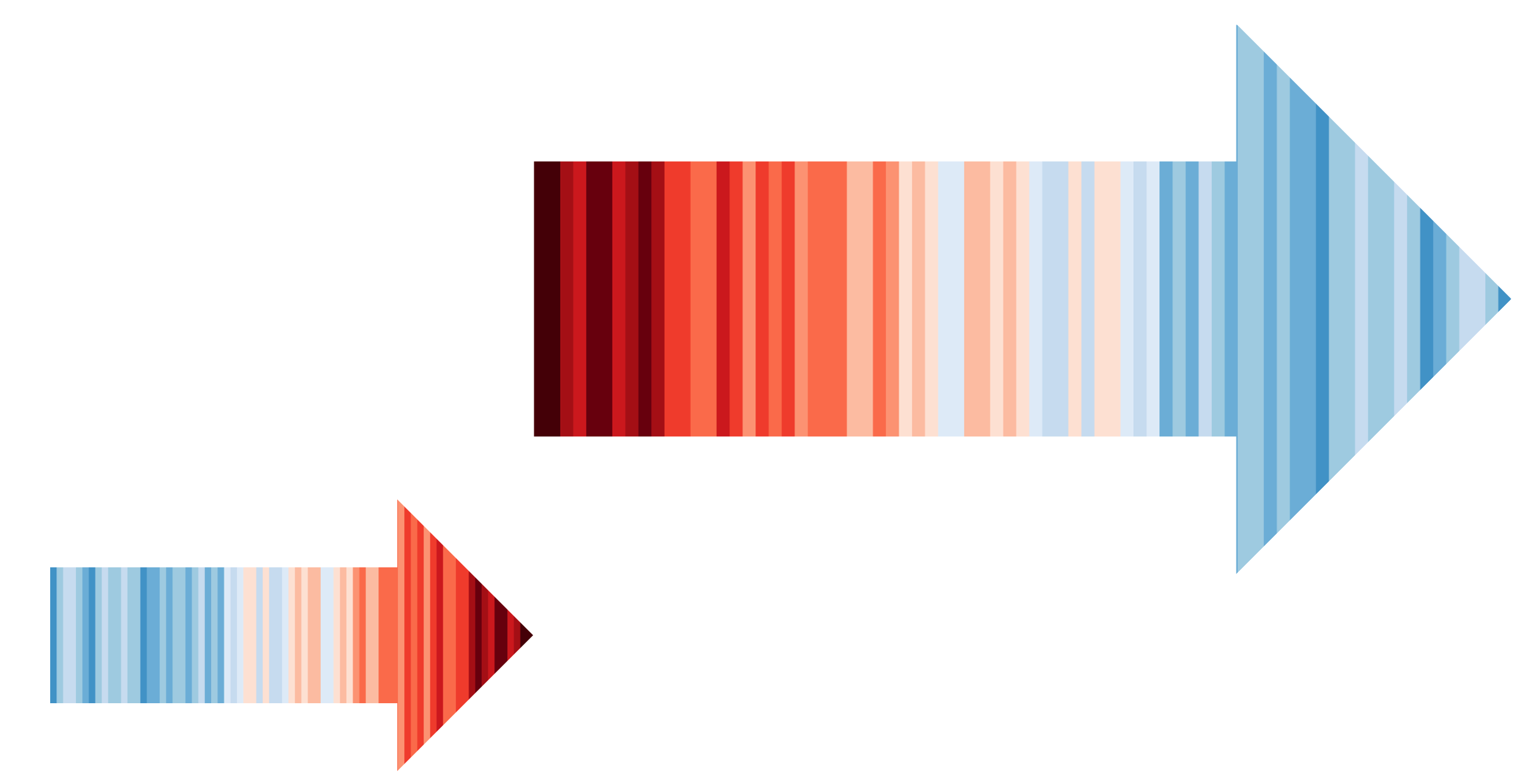
The Jean Monnet question is ALWAYS moral: Why could the European Union create supra-national authority for coal and steel after war . . . but the world could not create supranational authority to prevent climate catastrophe? Questions for the Dragi Report’s Green Bonds committee and the bond-ratings agencies.
8. Taken together, the lenses of Hannah Arendt + Malcolm Nance + COP1 though COP30 Youth + the living Earth + future generations converge on a single judgment:
Pilita Clark has detected a genuine and vital pulse . . . the real world is beginning to outrun the diplomatic world. Without institutions capable of coordinating and enforcing rapid, just, global transition . . . this pulse will not grow into the systemic transformation that physics and justice require.
The shift from “could” to “must” is not rhetorical . . . it is civilisational.
The question that follows is the one Pilita Clark’s column points toward but does not name explicitly: what new political architecture . . . global, regional, local . . . would make climate action inevitable rather than optional, and align every nation short term interests with the long term survival of life on Earth? Here in Europe, we have immediate work that we can do.
That is the conversation the youth of COP30 Brazil . . . the rivers and reefs . . . and future grandchildren urgently need.
Let’s imagine a series of addresses to the United Nations Permanent Security Council . . . first-mover China then the United Kingdom . . . then France . . . then the United States . . . and finally Russia . . .
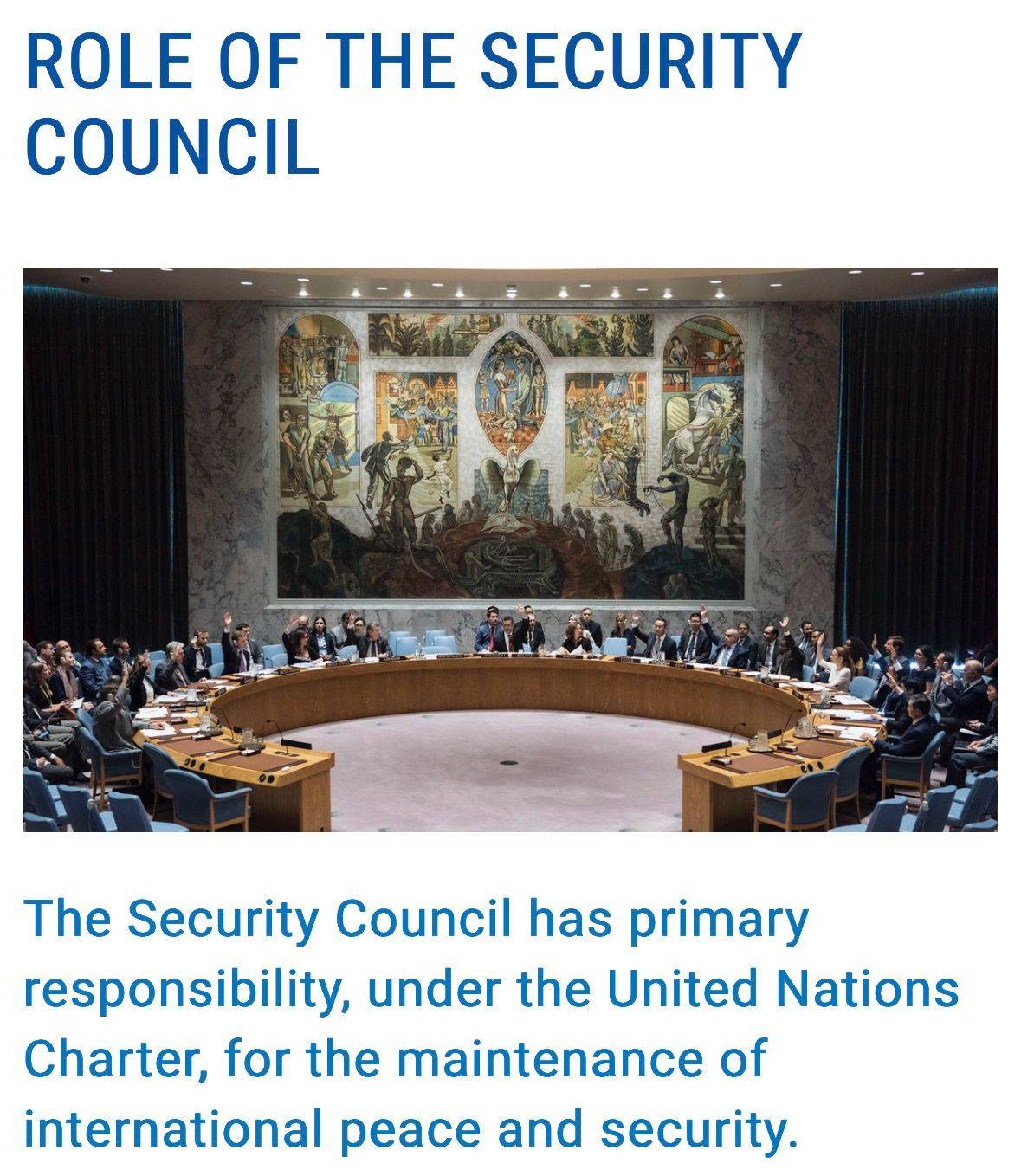
As an intellectual exercise: let’s re-imagine The United Nations’ Security Council. Imagine . . . Decency at scale . . . after this Address for The Commonwealth Covenant for Planetary Stewardship . . .
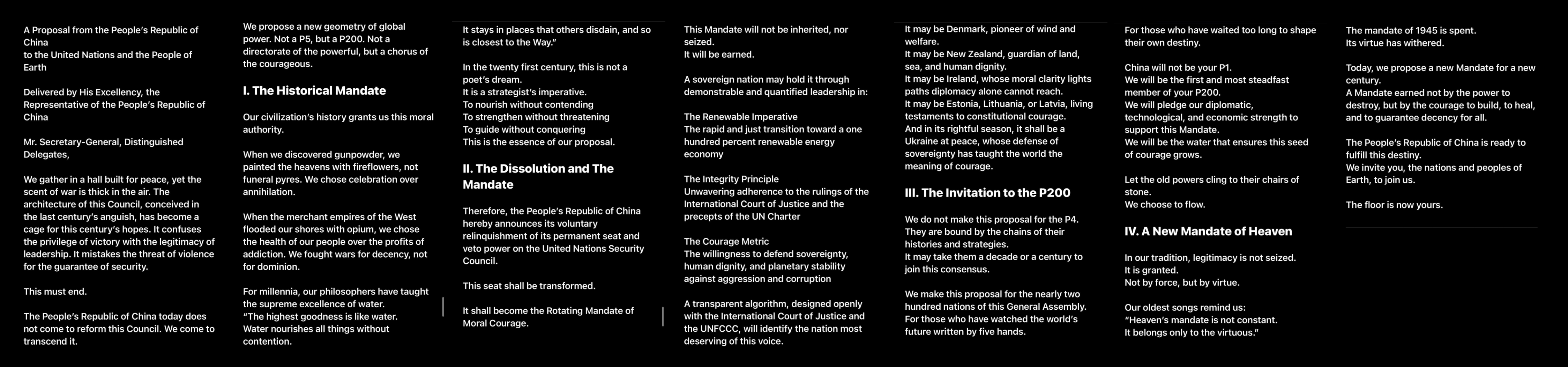
A Proposal from the People’s Republic of China to the United Nations . . .
Delivered by His Excellency, the Representative of the People’s Republic of China
Mr. Secretary-General, Distinguished Delegates,
We gather in a hall built for peace, yet the scent of war is thick in the air. The architecture of this Council, conceived in the last century’s anguish, has become a cage for this century’s hopes. It confuses the privilege of victory with the legitimacy of leadership. It mistakes the threat of violence for the guarantee of security.
This must end.
The People’s Republic of China today does not come to reform this Council. We come to transcend it.
We propose a new geometry of global power. Not a P5, but a P200. Not a directorate of the powerful, but a chorus of the courageous.
I. The Historical Mandate
Our civilization’s history grants us this moral authority.
When we discovered gunpowder, we painted the heavens with fireflowers, not funeral pyres. We chose celebration over annihilation.
When the merchant empires of the West flooded our shores with opium, we chose the health of our people over the profits of addiction. We fought wars for decency, not for dominion.
For millennia, our philosophers have taught the supreme excellence of water. “The highest goodness is like water. Water nourishes all things without contention. It stays in places that others disdain, and so is closest to the Way.”
In the twenty-first century, this is not a poet’s dream.
It is a strategist’s imperative.
To nourish without contending
To strengthen without threatening
To guide without conquering
This is the essence of our proposal.
II. The Dissolution and The Mandate
Therefore, the People’s Republic of China hereby announces its voluntary relinquishment of its permanent seat and veto power on the United Nations Security Council.
This seat shall be transformed.
It shall become the Rotating Mandate of Moral Courage.
This Mandate will not be inherited, nor seized.
It will be earned.
A sovereign nation may hold it through demonstrable and quantified leadership in:
The Renewable Imperative
The rapid and just transition toward a one hundred percent renewable energy economy.
The Integrity Principle
Unwavering adherence to the rulings of the International Court of Justice and the precepts of the UN Charter.
The Courage Metric
The willingness to defend sovereignty, human dignity, and planetary stability against aggression and corruption.
A transparent algorithm, designed openly with the International Court of Justice and the UNFCCC, will identify the nation most deserving of this voice.
It may be Denmark, pioneer of wind and welfare.
It may be New Zealand, guardian of land, sea, and human dignity.
It may be Ireland, whose moral clarity lights paths diplomacy alone cannot reach.
It may be Estonia, Lithuania, or Latvia, living testaments to constitutional courage.
And in its rightful season, it shall be a Ukraine at peace, whose defense of sovereignty has taught the world the meaning of courage.
III. The Invitation to the P200
We do not make this proposal for the P4.
They are bound by the chains of their histories and strategies.
It may take them a decade or a century to join this consensus.
We make this proposal for the nearly two hundred nations of this General Assembly.
For those who have watched the world’s future written by five hands.
For those who have waited too long to shape their own destiny.
China will not be your P1.
We will be the first and most steadfast member of your P200.
We will reconfigure our diplomatic, technological, and economic strength to serve this Mandate.
We will be the water that ensures this seed of courage grows.
Let the old powers cling to their chairs of stone.
We choose to flow.
IV. A New Mandate of Heaven
In our tradition, legitimacy is not seized.
It is granted.
Not by force, but by virtue.
Our oldest songs remind us:
“Heaven’s mandate is not constant.
It belongs only to the virtuous.”
The Mandate of 1945 is spent.
Its virtue has withered.
Today, we propose a new Mandate for a new century.
A Mandate earned not by the power to destroy, but by the courage to build, to heal, and to guarantee decency for all.
The People’s Republic of China is ready to fulfill this destiny.
We invite you, the nations and peoples of Earth, to join us.
The floor is now yours.
Now . . . imagine the . . .From the Representative of the United Kingdom to the United Nations:
Mr. Secretary-General, Distinguished Delegates,
We meet at a moment of consequence, compelled not by politics, but by physics.
The United Kingdom was the first nation to industrialize. We harnessed coal and steam to build an empire, and in doing so, we unwittingly lit the fuse on a crisis that now threatens every nation in this chamber. The science presented to us is no longer a warning; it is a diagnosis. The vital systems of our planet are faltering.
Faced with this diagnosis, we have a choice. We can continue with the palliative care of incrementalism, or we can choose a radical cure.
The United Kingdom has chosen the cure.
Our current security architecture is powerless to stop all nations from attacking the Earth itself. The veto, intended to prevent conflict, has become a weapon of mass inaction.
After extensive consultation with global peacemakers The Elders Foundation and guided by the data from the Stockholm Resilience Centre, we are taking a decisive step to break this gridlock.
Effective immediately, the United Kingdom will convert its permanent seat on the Security Council into a Commonwealth Stewardship Mandate.
This Mandate will be exercised not by the UK alone, but by a rotating leadership council of the morally courageous. We are proud to nominate:
· Mia Mottley of Barbados, for her fearless re-imagining of global finance.
· A representative of the youth and elders of Vanuatu, for their existential leadership in the fight for climate justice.
· William Ruto of Kenya, for championing Africa’s green industrial revolution.
· And a voice of Indigenous stewardship, Sheila Watt-Cloutier of Canada, to ground our actions in ancient wisdom.
This is a strategic redeployment. We trade the privilege to block for the responsibility to build.
The case for this build-out is irrefutable. The data from The Solutions Project lays out the overwhelming benefits for our Commonwealth of 56 nations, representing over two billion souls:
A full transition to clean energy would, by 2050:
· Create tens of millions of new jobs.
· Prevent millions of premature deaths from air pollution every year.
· And pay for itself in as little as two years through health and energy savings alone.
This is the greatest investment in public health, job creation, and economic stability in human history.
We acknowledge the first movers who have shown the way . . . including the People’s Republic of China for its scale in renewables, and every island nation for its courage.
To our P5 colleagues: Join us in re-imagining power for this century. To all Commonwealth members, we say: this platform is yours. Your leadership, amplified here, will guide us.
We are choosing science. We are choosing solidarity. We invite you to join us.
Thank you.
– – – – – – –
What do you re-imagine. What questions would you like to ask? Contact: Climate Action Tiger (“C.A.T.”) and Christian Thalacker: christian@youth4planet.org