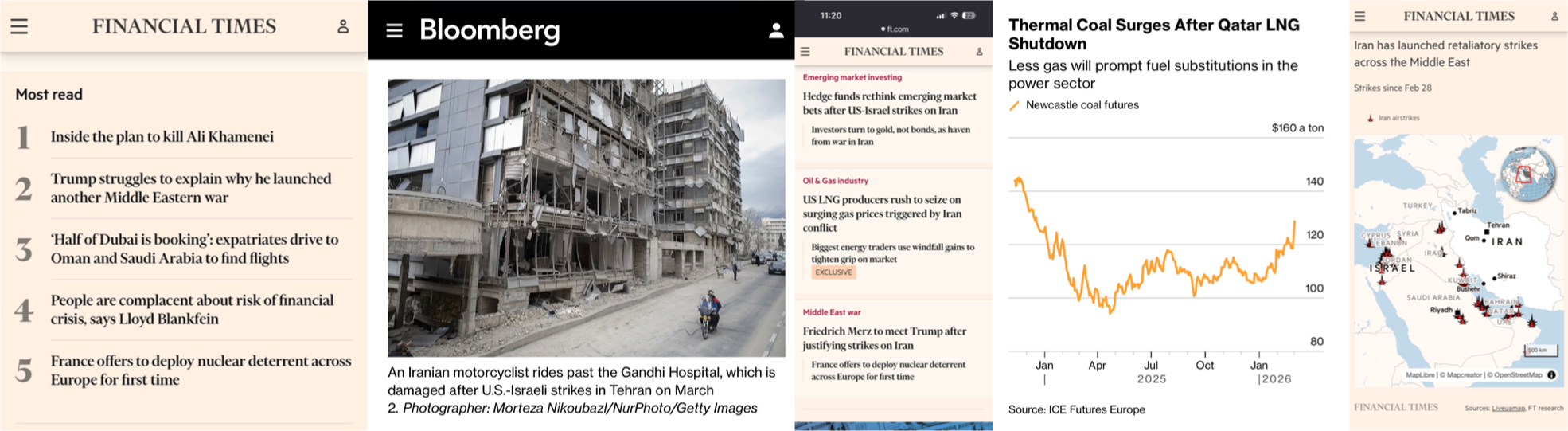
The headlines of war report on: Assassination, Retaliation, Oil spikes, LNG halts, Coal rallies, Gold surges, Bonds wobble, Dubai+ airport silent and Supermarkets empty. Strip away the drama and one truth remains: Energy is not a sector.
Energy is the skeleton on which everything else hangs.
This morning, in Bettembourg, another story quietly unfolded that deserves equal attention:
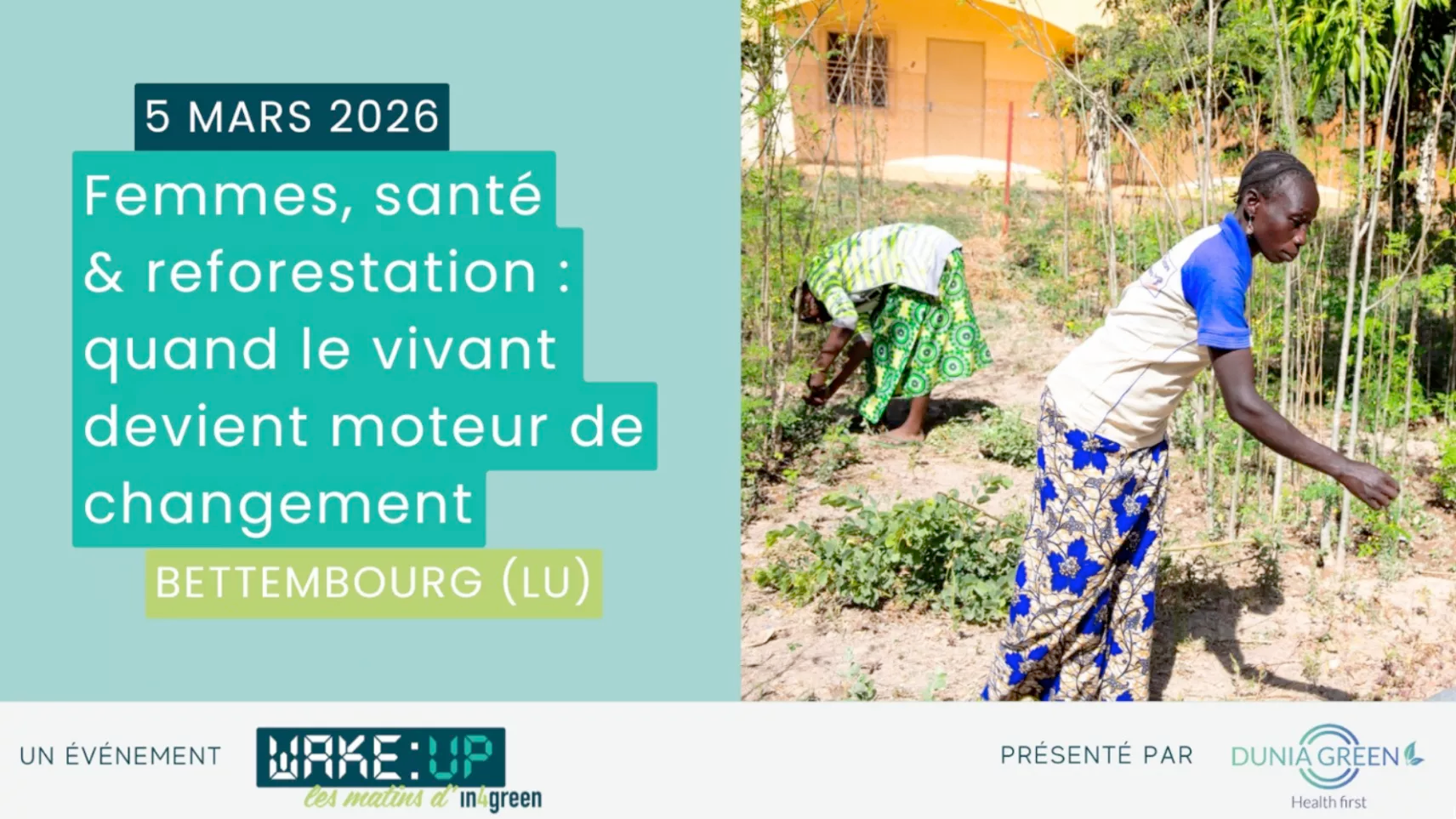
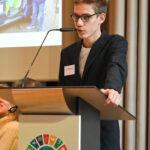
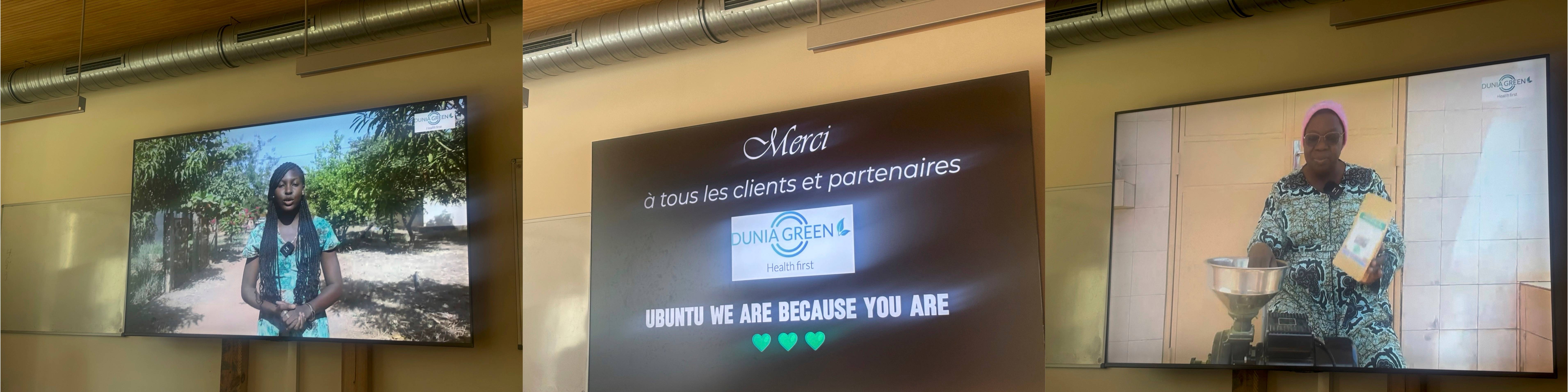
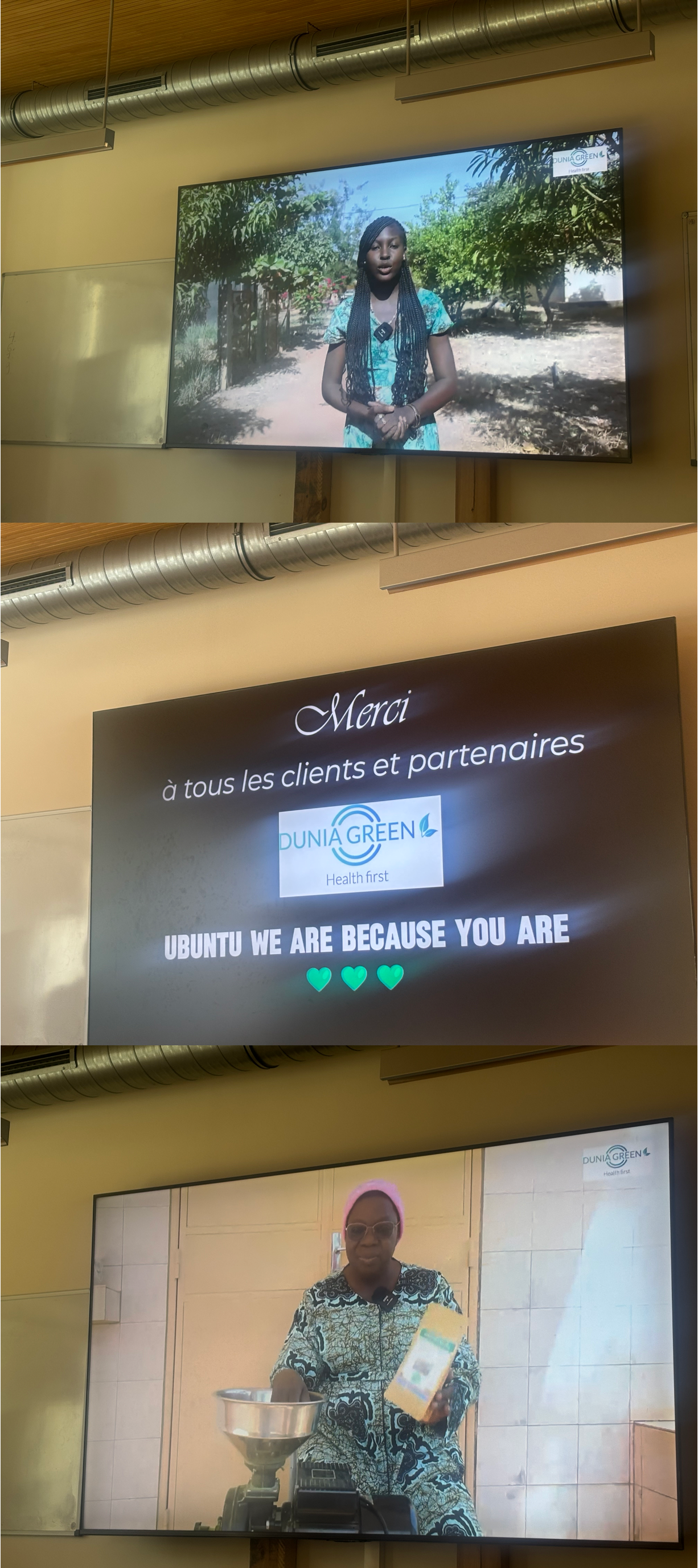
At the IFSB Wake Up workshop, Pauline and the Dunia Green team from Burkina Faso presented something timelessly valuable: Moringa.
An arbre de vie.
A tree that grows in difficult conditions.
A tree cultivated mainly by women.
A tree that improves nutrition, health, economic autonomy and soil regeneration at the same time.
A tree that grows resilience, and suddenly the energy conversation looked very different.
The question is not only about megawatts.
THE Question: what are our real assets?
Global markets remind us that Energy Systems depend heavily on fragile corridors: Shipping lanes, Gas terminals, Pipelines and Commodity markets.
When one choke-point shakes, everything moves: Prices, Inflation, Politics and Security.
We call this volatility. In reality, it is exposure.
The Headline We Missed: at the same moment, another story was unfolding elsewhere. China expanded long-duration energy storage faster than any other country. Storage that can hold electricity for days rather than hours. Storage that turns renewable energy from intermittent supply into reliable infrastructure. That development matters.
Because renewable generation without storage still depends on flexibility elsewhere. The question therefore becomes structural: who builds the backbone of the next energy system?
What This Morning Reminded Me: in Bettembourg we were not talking about gigawatts.
We were talking about life systems. Communities in Burkina Faso planting moringa trees are not debating marginal electricity pricing. They are doing something much timeless and valuable: they are practicing resilience.
- They are strengthening health.
- They are restoring land.
- They are building economic autonomy.
- They are rebuilding ecosystems.
One tree at a time.
It is easy to dismiss that as local development work.
But it raises profound questions for Luxembourg, Europe and the World: what are our REAL assets?
Markets say the safe assets are gold, bonds and currencies. Recent events suggest otherwise.
- Gold rises when trust falls.
- Bonds wobble when inflation rises.
- Currencies fluctuate when uncertainty spreads.
None of these are foundations.
Foundations look different:
- Decency
- Critical thinking
- Permaculture
- Circular economies
- Community
These are not sentimental values.
They are system stabilizers:
- A community that understands its ecosystem will not destroy its soil.
- A society that practices circular economics wastes fewer resources.
- A population that thinks critically recognizes fragile dependencies earlier.
- A culture rooted in decency builds trust across generations.
Trust is infrastructure.
Three Teachers . . . three figures . . . help illuminate this moment:
Walter Faber: the engineer from Max Frisch’s iconic novel who trusts systems and probabilities but never questions the deeper consequences of the systems he builds. Europe’s energy policy often sounds like Faber:
- Cost curves
- Optimization
- Market signals
Necessary discussions, and insufficient ones.

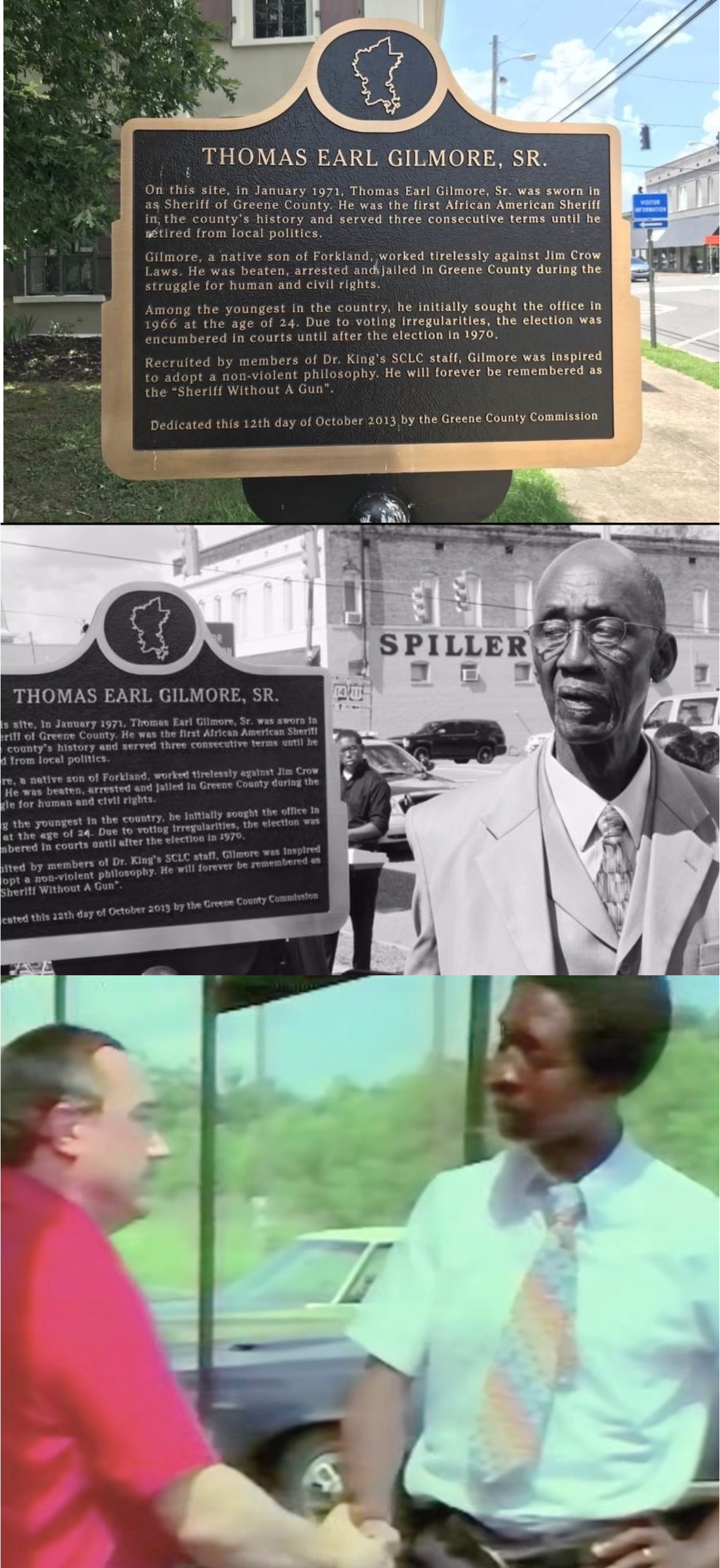
Thomas Gilmore: the sheriff of Greene County who served without a gun because his authority came from the people who trusted him.
Infrastructure without trust cannot hold.
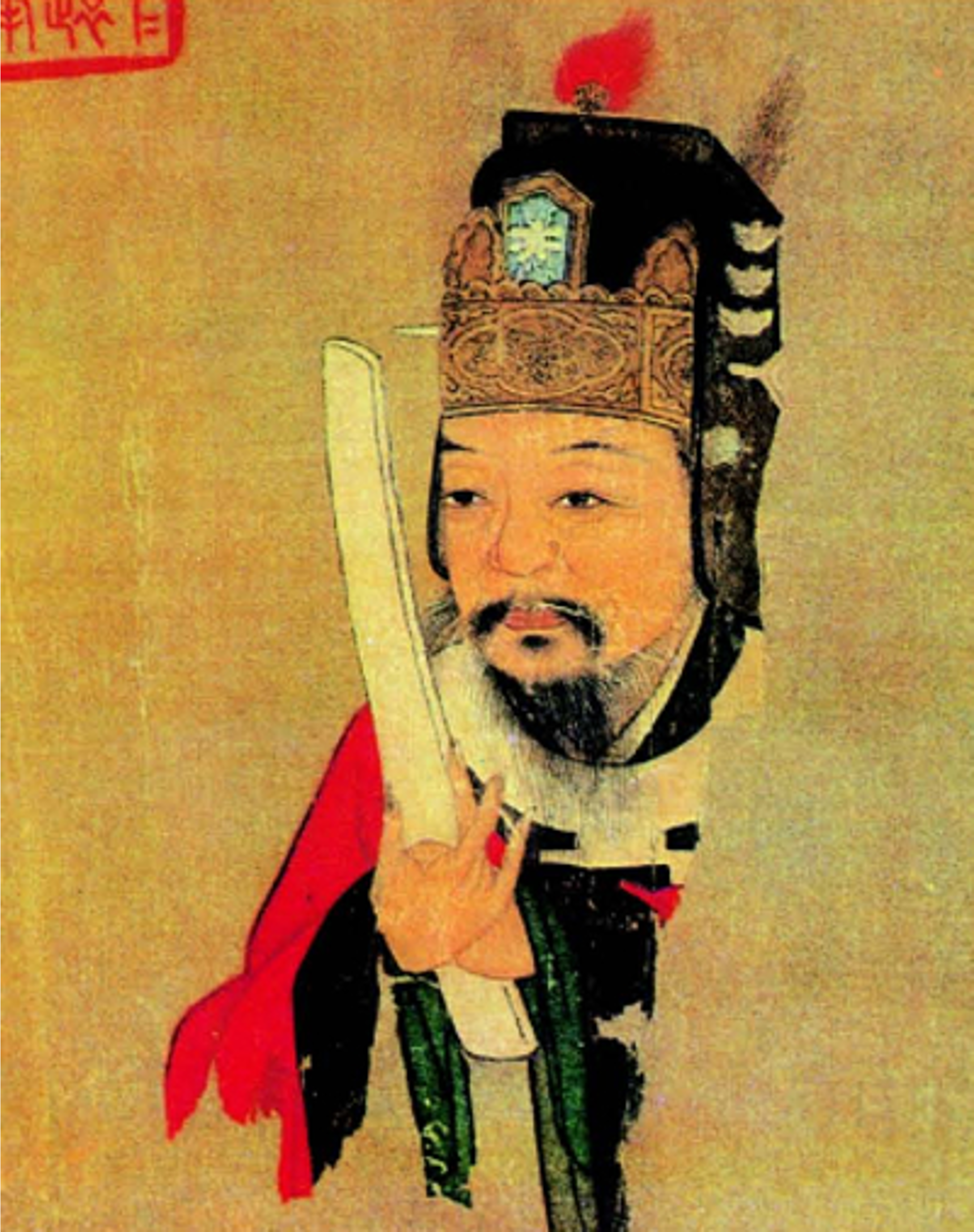
Fan Zhongyan: a Song Dynasty reformer who built granaries so communities would survive hard years. His principle was simple:
Be the first to worry about the world’s troubles.
Be the last to celebrate its successes.
Infrastructure is ethics made visible.
What the Moringa Tree Teaches: the moringa project in Burkina Faso embodies something important.
Resilience does not begin with global markets.
It begins with ecosystems:
Healthy soil.
Healthy communities.
Healthy governance.
The people cultivating moringa are practicing something Europe talks about but needs to incarnate as The Rule (and not The Exception):
Regeneration.
Permaculture.
Circular economy.
Community ownership.
The lesson is not that Europe should plant moringa trees.
The lesson is deeper.
True security grows from systems that sustain life.
The Questions for Europe . . . especially since Europe often frames the energy transition as a technical challenge:
- Can Europe build an energy system that citizens trust?
- Can we create infrastructure that communities feel ownership over?
- Can we combine industrial speed with democratic legitimacy?
- And can we do it before dependency simply shifts from fossil fuels to new supply chains elsewhere?
Questions for Youth4Planet: this morning’s workshop raises questions that matter far beyond Bettembourg . . .
- What if the real safe assets are not commodities but communities?
- What if resilience begins in soil, forests and local economies?
- What if the transition succeeds not because engineers optimize it but because citizens believe in it?
- What if Europe’s greatest strength is not capital but culture?
Decency.
Critical thinking.
Solidarity.
Care for the living world.
- Are we building energy systems that reflect those values?
- Are we still building systems that treat nature and communities as externalities?
And perhaps the most uncomfortable question:
- If women in Burkina Faso can regenerate ecosystems under harsh conditions . . . what excuse does Europe have?
Europe’s ONLY truly Safe Assets:
- A society that trusts itself.
- A society that cares for the living systems around it.
- A society willing to worry first so others can celebrate later.
The women planting moringa understand this instinctively.
They are building resilience.
The question for Europe is simple:
Are we doing the same?
Energy sovereignty matters.
Industrial capacity matters.
Storage technologies matter.
But none of them endure without something deeper: Trust.
Pipelines and The Strait of Hormuz will remain chokepoints until we build systems that do not depend on them.
A Moringa tree in Burkina Faso is already such a system.
Which one are we investing in?
Further Reading:
- IFSB Presentation: Femmes, santé & reforestation : quand le vivant devient moteur de changement https://www.infogreen.lu/femmes-sante-reforestation-quand-le-vivant-devient-moteur-de-changement-29086.html
- Ateliers du Tricentenaire – Centre Jean Heinisch: https://www.tricentenaire.lu/fr/services/ateliers-proteges
- Explore The Solutions Project’s interactive map to see what 100% Renewable Energy could look like where you live in the year 2050: https://thesolutionsproject.org/what-we-do/inspiring-action/why-clean-energy/#/map/countries/
- Financial Times’ Europe Express columns:
- Thursday, 5th March 2026 https://www.ft.com/content/f56ec3f8-3659-4d2c-b443-6bba2e1a47bb
- Wednesday, 4th March 2026: https://www.ft.com/content/52e25945-002f-409a-bee0-8fb4e133a2e3
- Tuesday, 3rd March 2026: https://www.ft.com/content/950d45d8-5965-4deb-9a59-dd96721f09e2
- Monday, 2nd March 2026: https://www.ft.com/content/dba72c4e-3007-475a-ad13-db447c8c04e4
- Saturday, 27th February 2026: https://www.ft.com/content/faa19aad-49e5-4388-a1d6-57fc5b4f728d
- Financial Times article: Iran executes Khamenei’s plan to spread regional war Strikes on energy facilities and targets across Middle East form strategy devised to sow chaos in retaliation for US and Israeli attack https://www.ft.com/content/02eb660a-3c80-4d6b-9e58-e7411278b0f1
- Bloomberg Editorial: Dubai’s Status as a Swiss-Style Haven Is Starting to Crack https://www.bloomberg.com/opinion/articles/2026-03-03/iran-strikes-dubai-and-abu-dhabi-haven-status-is-starting-to-crack?srnd=phx-opinion
- Bloomberg article: Detroit Enters Another Oil Shock Making Massive Vehicles With the world bracing for energy disruption, the US is making massive vehicles like never before https://www.bloomberg.com/news/newsletters/2026-03-02/detroit-enters-another-oil-shock-making-massive-vehicles?srnd=homepage-europe
- Bloomberg article: China Aims to Upgrade Solar Scrapping Capability as Panels Age https://www.bloomberg.com/news/articles/2026-03-03/china-aims-to-upgrade-solar-scrapping-capability-as-panels-age?srnd=homepage-europe
- Bloomberg article: Coal Prices Jump as Qatar LNG Halt Boosts Fuel-Switching Needs https://www.bloomberg.com/news/articles/2026-03-03/coal-prices-jump-as-qatar-lng-halt-boosts-fuel-switching-needs?srnd=homepage-europe
- Bloomberg article: Iran War Oil Shock Threatens to Disrupt Africa’s Easing Cycle https://www.bloomberg.com/news/articles/2026-03-02/iran-war-oil-shock-threatens-to-disrupt-africa-s-easing-cycle
- Bloomberg article: Yellen Sees Fed ‘Even More on Hold’ Given Iran Conflict Risk https://www.bloomberg.com/news/articles/2026-03-02/yellen-sees-fed-even-more-on-hold-given-iran-conflict-risks
- Bloomberg article: Gold Wavers as Stronger Dollar Offsets Middle East Risk Premiu https://www.bloomberg.com/news/articles/2026-03-02/gold-rises-as-escalating-conflict-in-middle-east-stokes-demand
- Bloomberg article: Asian Banks’ Billions in Gulf Loans at Risk Amid Mideast Turmoil https://www.bloomberg.com/news/articles/2026-03-03/asian-banks-billions-in-gulf-loans-at-risk-amid-mideast-turmoil
- Bloomberg article: Oil Spike on Iran War Seen Boosting Canada’s Growth, Inflation https://www.bloomberg.com/news/articles/2026-03-02/iran-war-oil-price-spike-seen-boosting-canada-s-growth-inflation
- Bloomberg article: China Calls on All Sides to Protect Ships Transiting Hormuz https://www.bloomberg.com/news/articles/2026-03-03/china-gas-buyers-say-beijing-pushing-iran-to-keep-hormuz-open