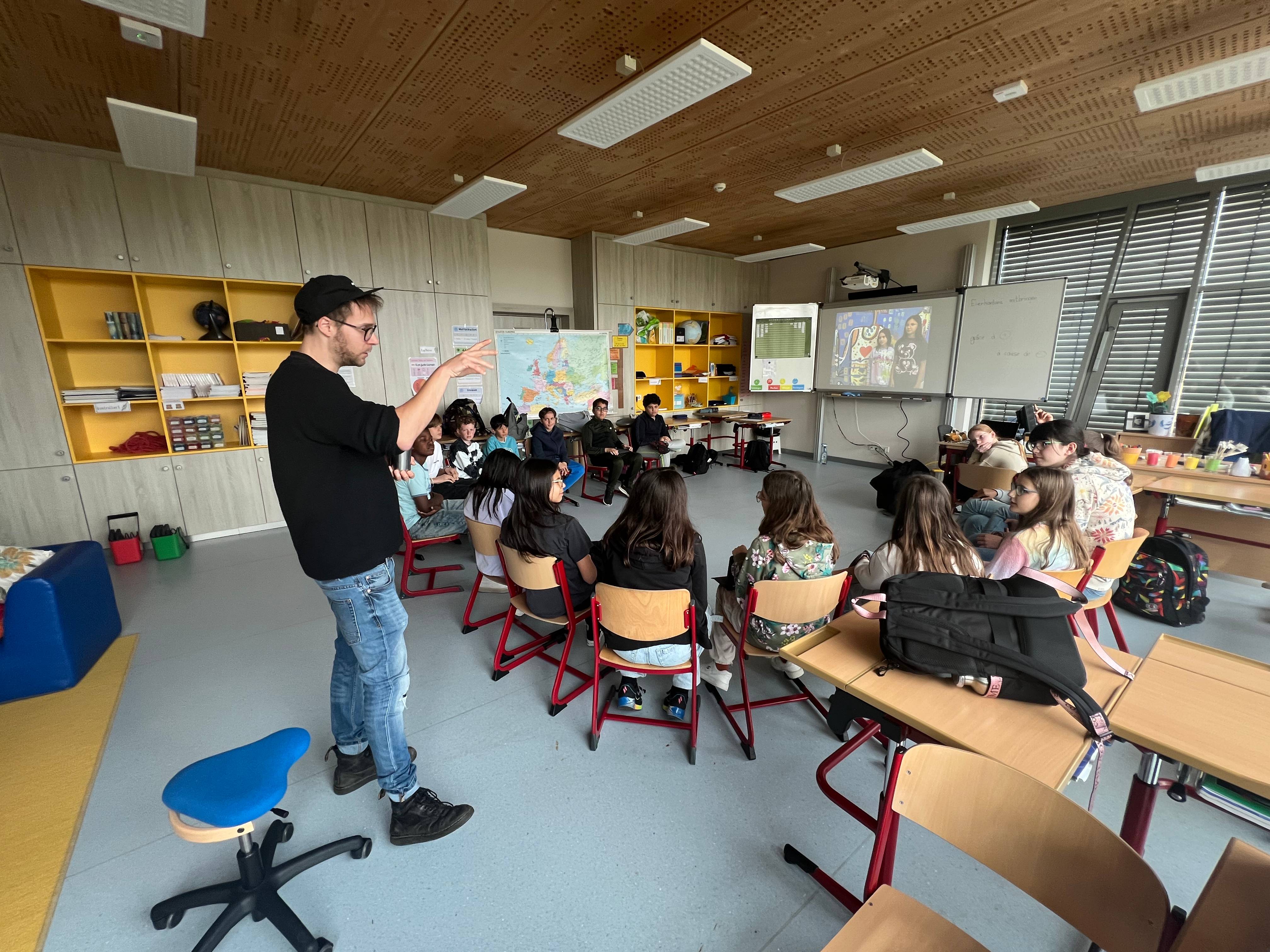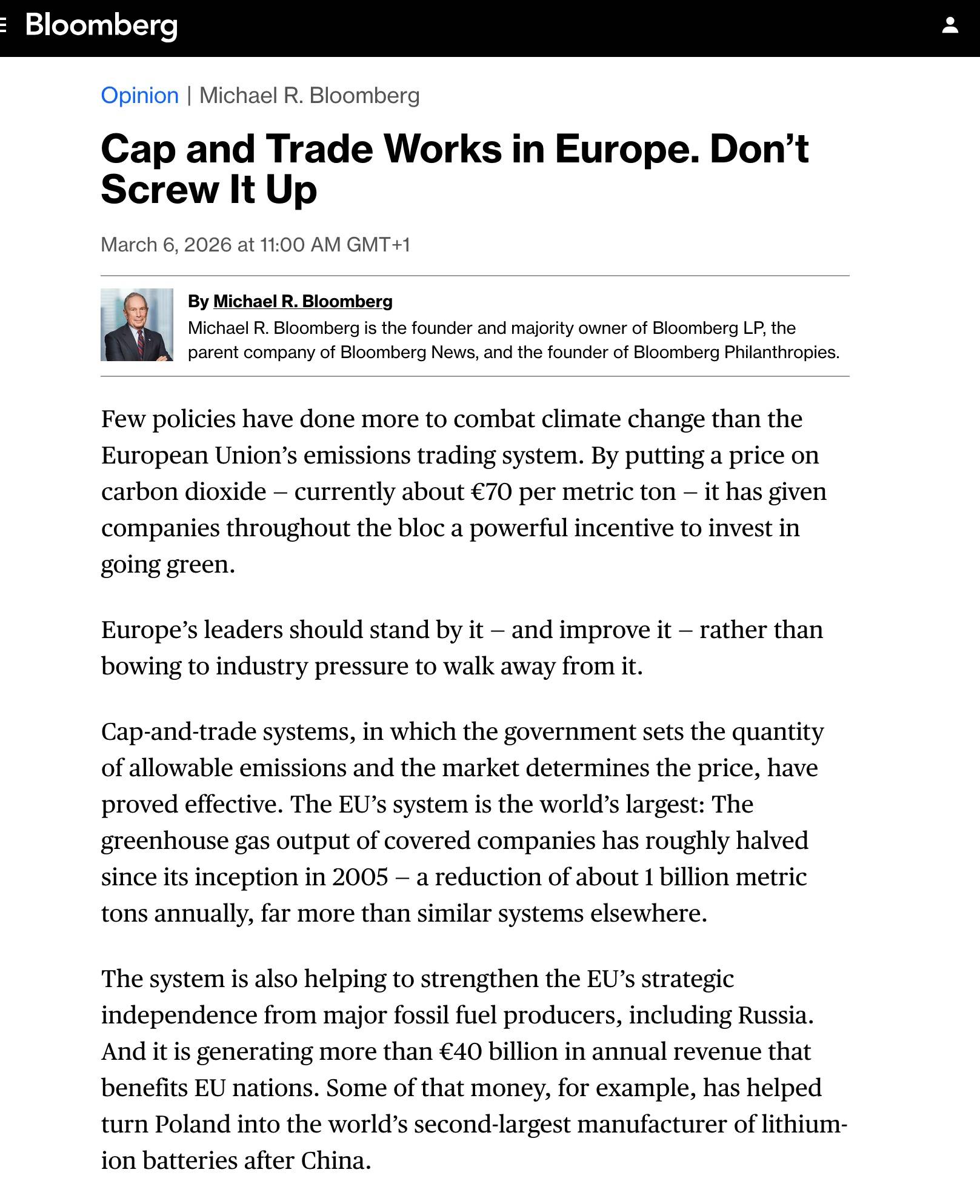
Yesterday, I participated in the GoGoVelo campaign while pedaling a bicycle in London. London keeps showing what happens when #ActiveMobility moves from niche to normal. Rental e-bikes seem to outnumber cars . . . and are everywhere. Cargo bikes, foldable Brompton Bicycles, commuters + visitors mix into everyday streets. Isaac Newton’s legacy shares space with cheeky infrastructure updates. St Paul’s Cathedral is part of the bicycle tour. Getting across the Mayor of London, Sadiq Khan‘s amazingly well-run boroughs epitomises freedom, joy, community, connecting, flow, health & wealth. So what would Luxembourg look like if we measured Mobility-success properly:
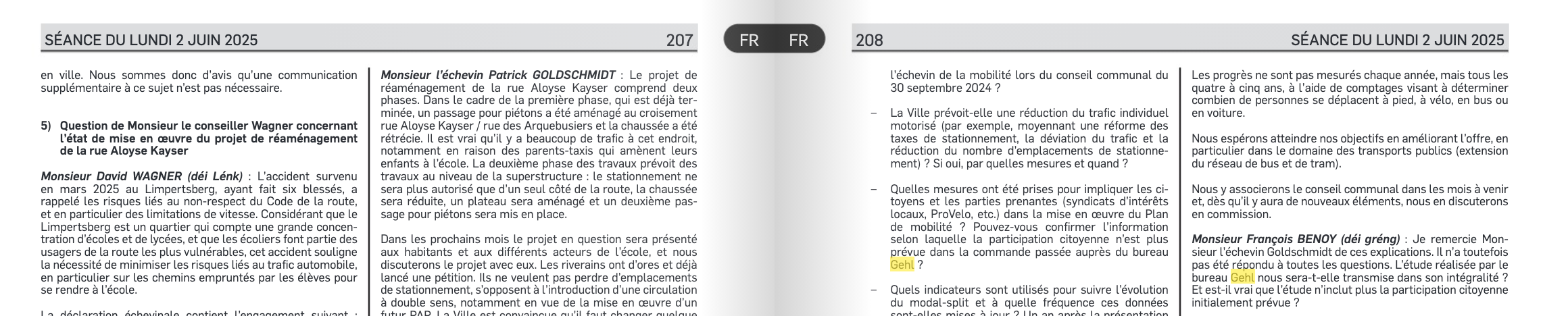
i) Could we build toward 50%+ of everyday trips by Active Mobility’s walking & bicycling plus another 25% by public transport? YES. Read about renowned Danish architect Jan Gehl’s influence: https://en.wikipedia.org/wiki/Jan_Gehl#Influence. You can find Ville de Luxembourg’s discussion about Gehl on pages 207-208 https://www.vdl.lu/fr/media/453471
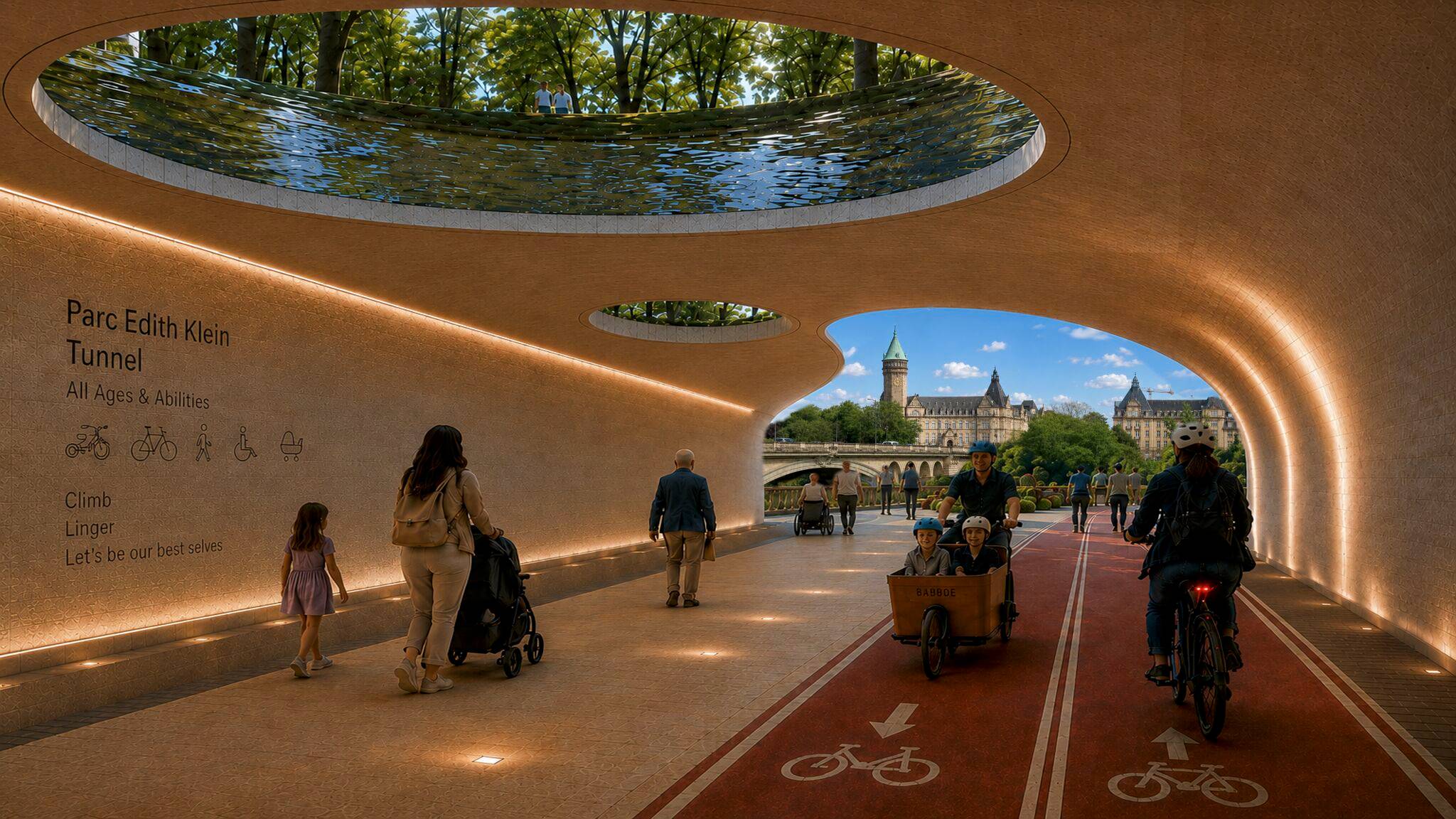
ii) Could every school be connected by All Ages & Abilities routes? YES. What are your reflections after watching Active Towns Episode 224 “Active Mobility in a Small City” with Megan Ramey https://youtu.be/hOZ-Jokga7A?si=PAeKfOdFeQ8LOQYB Context: Megan Ramey is Safe Routes to School Manager in Oregon USA, and the conversation is explicitly about building a culture of active mobility starting with children and schools. If you would like to research more: what are your reflections after watching Active Towns Episode 109 “Hiding in Plain Sight” with analyst Jason Slaughter? This gives you the how (the Dutch concept of ontvlechten, or “unbraiding,”) to create coherent low-stress bicycle-priority networks instead of trying to force everyone onto the same car-dominated arterial network https://youtu.be/sBRS4Mqg7To?si=e55pT9K8ecvjphqE. Also a must-watch: Active Towns Episode 354 “Empowering Mobility” with Becky Furuta. This is perhaps the strongest expression of what All Ages & Abilities actually means: Host John Simmerman and Becky discuss how an AAA network gives independent mobility to her son, who has special needs and will never be able to drive https://youtu.be/uEUISgZHVAc?si=Nzrk_-iwZuhr2mZk.
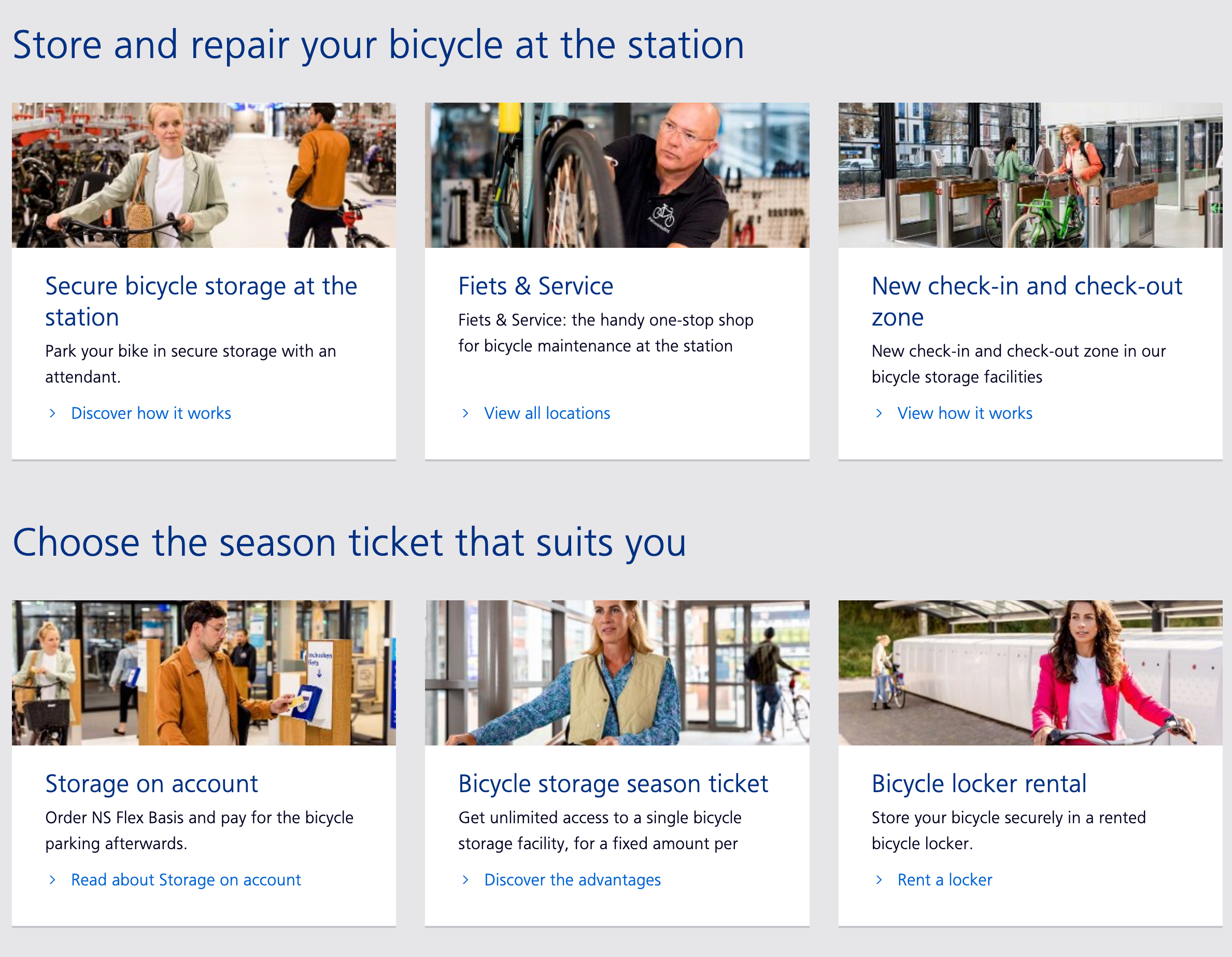
iii) Could every major train station in Luxembourg have secure, weather-protected bicycle parking at Dutch-scale? YES. Consider Utrecht Centraal Train Station that built 12,500 bicycle spaces in one facility, open 24/7, with secure indoor parking, digital guidance to free spaces, cargo-bike provision, repairs and integration with Dutch rail. Around Utrecht Centraal there are roughly 30,000 bicycle parking spaces across multiple facilities. The Dutch Cycling Embassy reports that every large Dutch railway station has a bicycle parking garage designed to accommodate large volumes of bicycles. Groningen, for example, has secure station parking for 6,500 bicycles, monitored 24/7. If you want the operational railway-system evidence, here is the website for the Dutch national railway operator NS: https://www.ns.nl/en/bicycle-storage NS shows that secure bicycle storage is treated as an ordinary part of the railway product: staffed storage, lockers, repairs, subscriptions and station-by-station facilities.
iv) Could cargo-bike libraries become normal? YES. Check out the Dublin, Ireland Bike Library that is tax-payers’ fully-funded program without additional users’ fees: https://www.bikelibrary.eu/communities

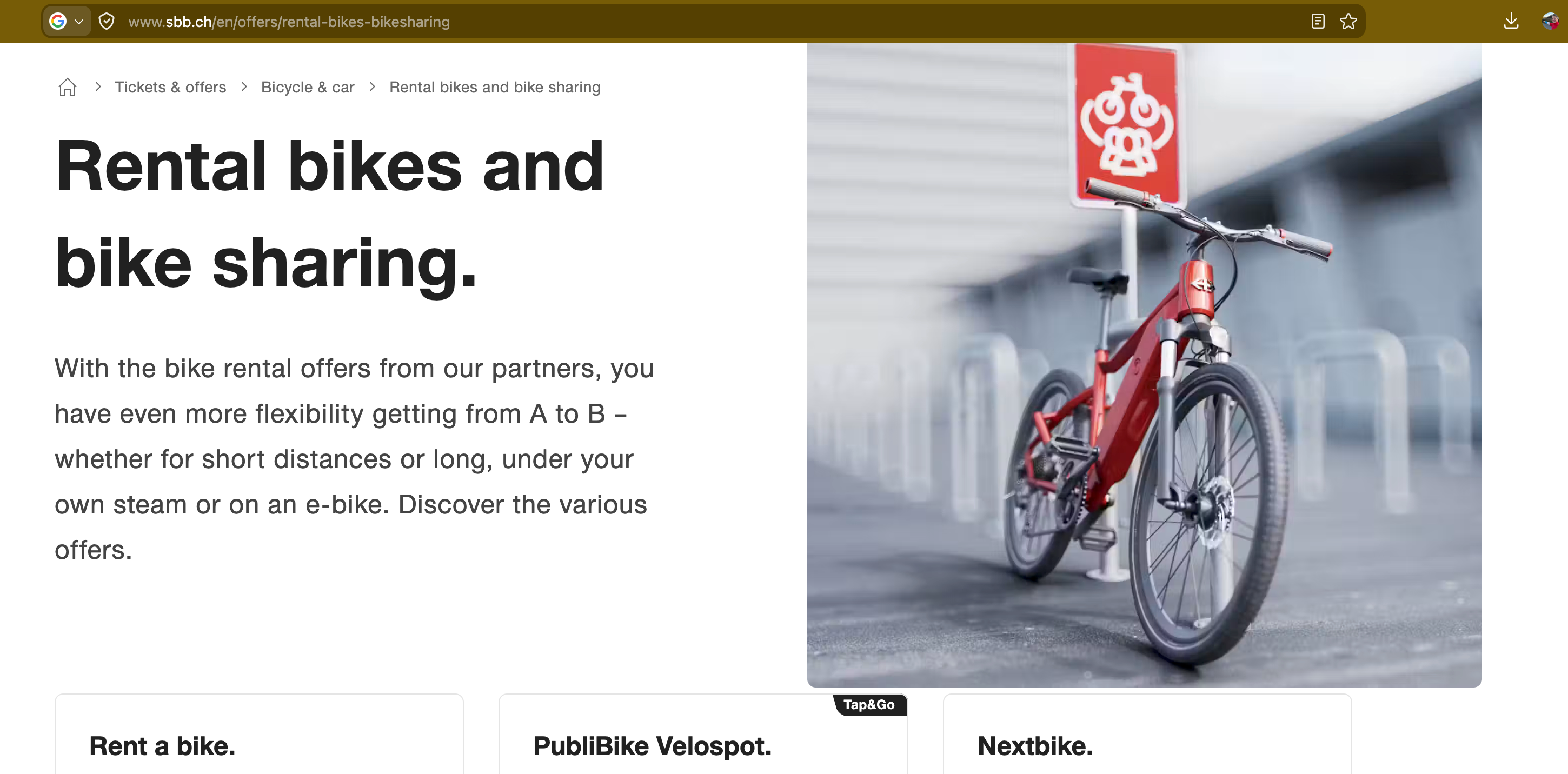
v) Could rental bikes and e-bikes be available across every commune, with bicycle parking that actually works? YES. Consider Switzerland’s PubliBike Velospot = No app + no registration + no login https://www.publibike.ch/en/home. Consider that🇨🇭PubliBike is a particularly good apple-to-apples comparison for Luxembourg because it is regional and municipal, not merely a big-city system. As of 2026: PubliBike reports more than 10,000 bikes and e-bikes across roughly 120 Swiss cities and municipalities in 10 cantons. Bikes are returned to defined PubliBike locations, rather than simply abandoned wherever a ride ends, and the system integrates with SwissPass, linking shared bikes to the wider public-transport ecosystem. The Swiss Federal Railways page makes the multimodal logic even clearer: https://www.sbb.ch/en/offers/rental-bikes-bikesharing SBB explicitly presents rental bikes and e-bikes as part of getting from A to B, alongside the railway network. Switzerland makes the Luxembourg question wonderfully concrete: if a fragmented federal country can build shared-bike networks across municipalities and integrate them with national public transport, why couldn’t Luxembourg make this normal across all 100 communes?
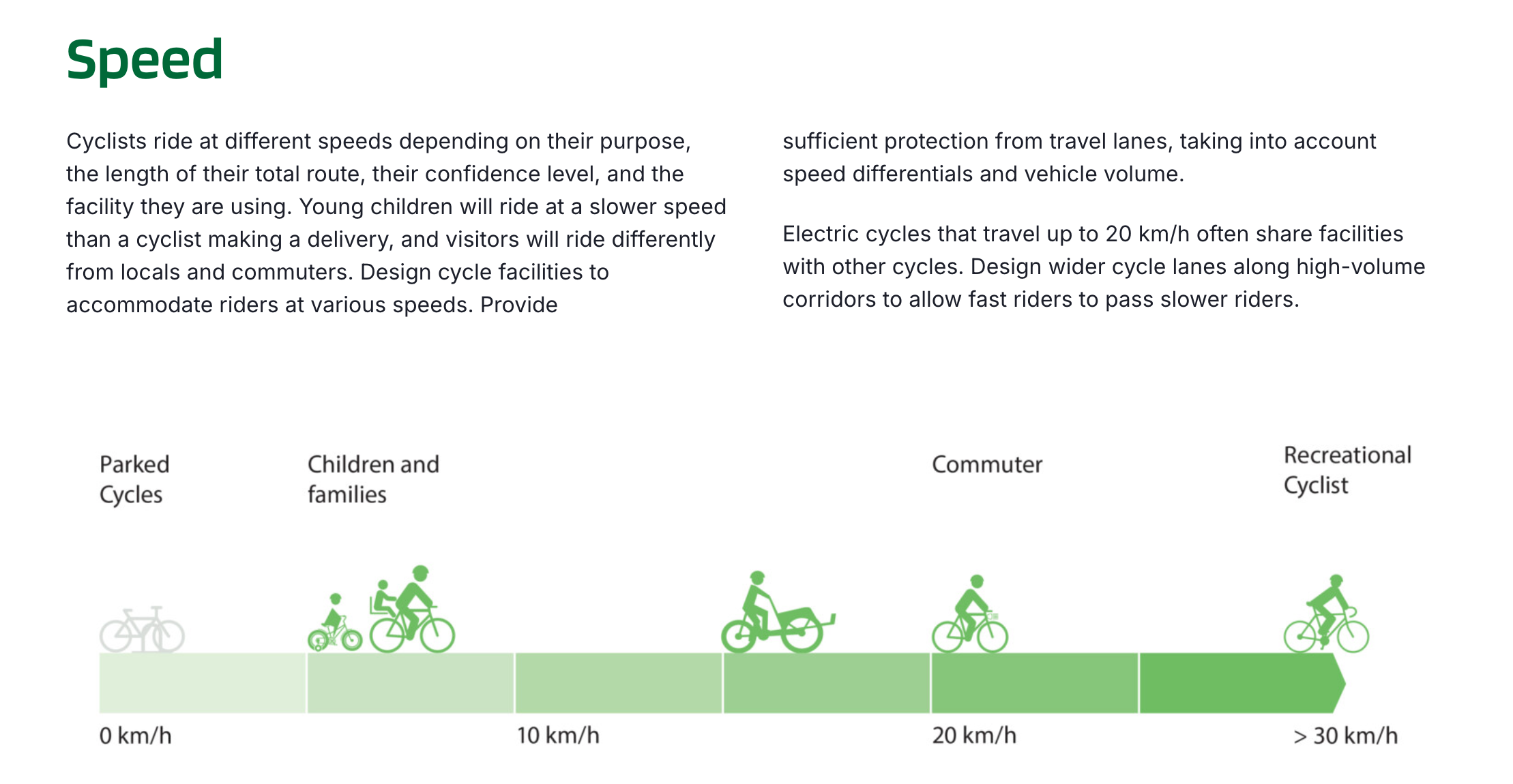
vi) Could protected Active Mobility networks be continuous rather than disappearing exactly where people need them most? YES. Climate Action Tiger and I are always honored to interview the experts at the Global Designing Cities Initiative (GDCI). Their experts’ guidance answers such questions word for word: cycling requires “safe and continuous facilities” and comprehensive networks designed for people of all ages and abilities: https://globaldesigningcities.org/publication/global-street-design-guide/designing-streets-people/designing-for-cyclists/overview/ If you can convince Ville de Luxembourg Mayor Lydie Polfer to support VdL’s application for a GDCI 2026 Bloomberg Initiative for Cycling Infrastructure grant opportunity . . . Applications are welcome through Monday, 28th September 2026. GDCI says the application takes roughly five hours and requires, among other things, mobility/road-safety data, maps or diagrams of the project, three years of cycling-funding figures, and a signed letter of support from the city leader https://biciapplicationsphase2.evalato.com/.
vii) Could we measure serious reductions in car kilometres, household transport costs, injuries, noise, pollution and CO₂ alongside gains in health, local retail activity and public-space quality? YES. Use the easy-to-use World Health Organization’s HEAT online tool: https://www.who.int/tools/heat-for-walking-and-cycling HEAT can compare a baseline against a future scenario or a before-and-after intervention, putting values on physical activity, road-crash risk, air pollution, carbon emissions and economic benefits. It now also includes e-biking. There is an especially useful European Commission finding behind the philosophy of this question: research evaluating automobility, cycling and walking per kilometre found approximately €0.11 of external cost for every car-kilometre, compared with benefits estimated at €0.18 per cycling kilometre and €0.37 per walking kilometre. The assessment included environment, vehicle costs, health, crashes, comfort, safety and quality of life https://urban-mobility-observatory.transport.ec.europa.eu/news-events/news/new-study-reveals-social-benefits-cycling-and-walking-eu-2019-04-08_en.

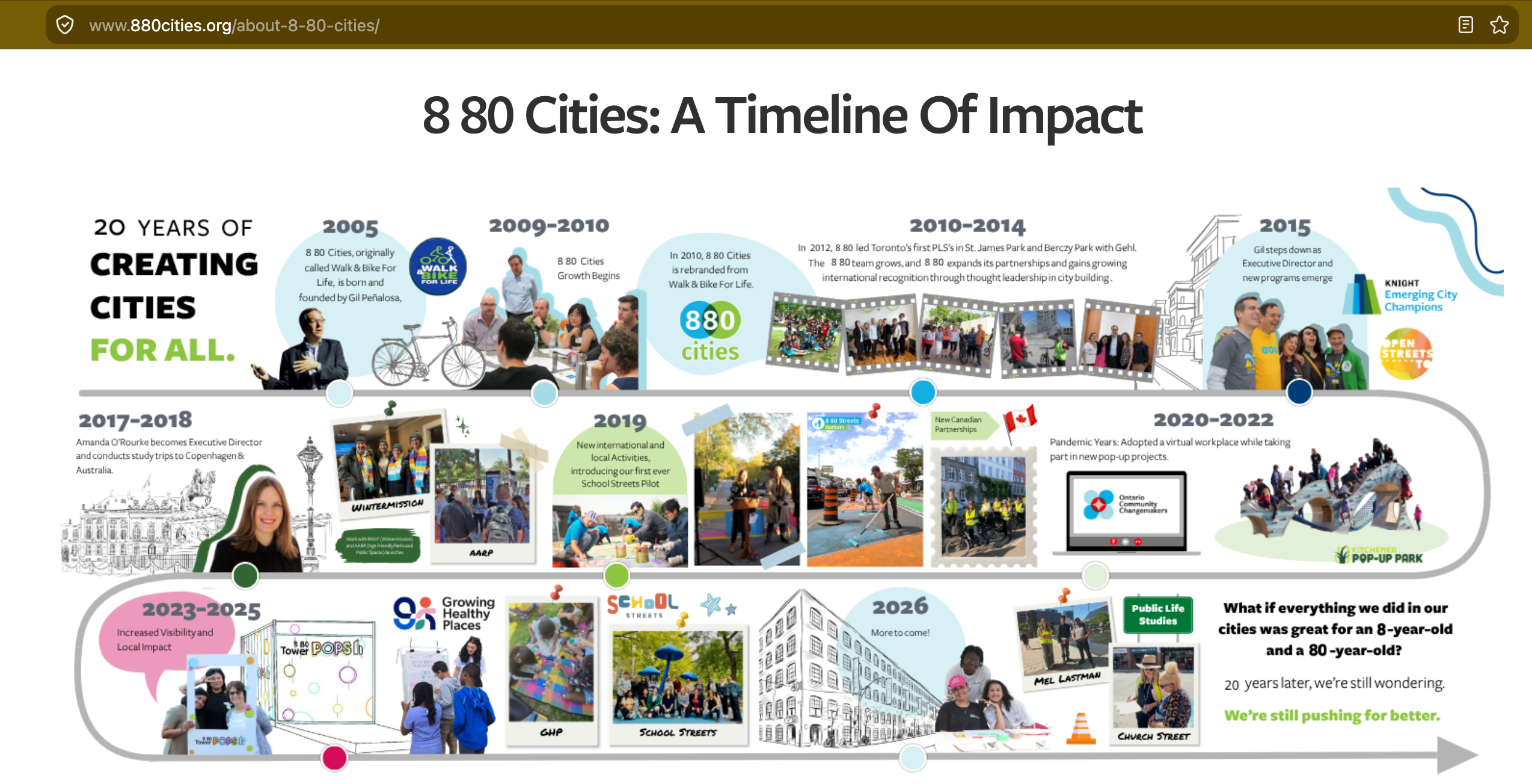
iix) Could Luxembourg set a simple test for every new street project: would a 8-year-old and an 80-year-old both feel comfortable using it? YES. Deploy 8 80 Cities to impact positively if everything in a neighborhood was designed to be great for an 8-year-old and an 80-year-old https://www.880cities.org/about-8-80-cities/. If either answer is “no“, then the design is not finished.
GoGoVelo is counting kilometres😎👍💡 Let’s also count safer junctions, protected kilometres, school routes, bicycle parking spaces, cargo-bike trips, mode-share gains and euros saved by households. Let’s GoGoVelo Luxembourg🇱🇺 from 09/07/2026 to 10/18/2026 . . . and Let’s cycle 1,000 times around Luxembourg!!! Find information and the app on the GoGoVelo Luxembourg website: https://www.gogovelo.lu/